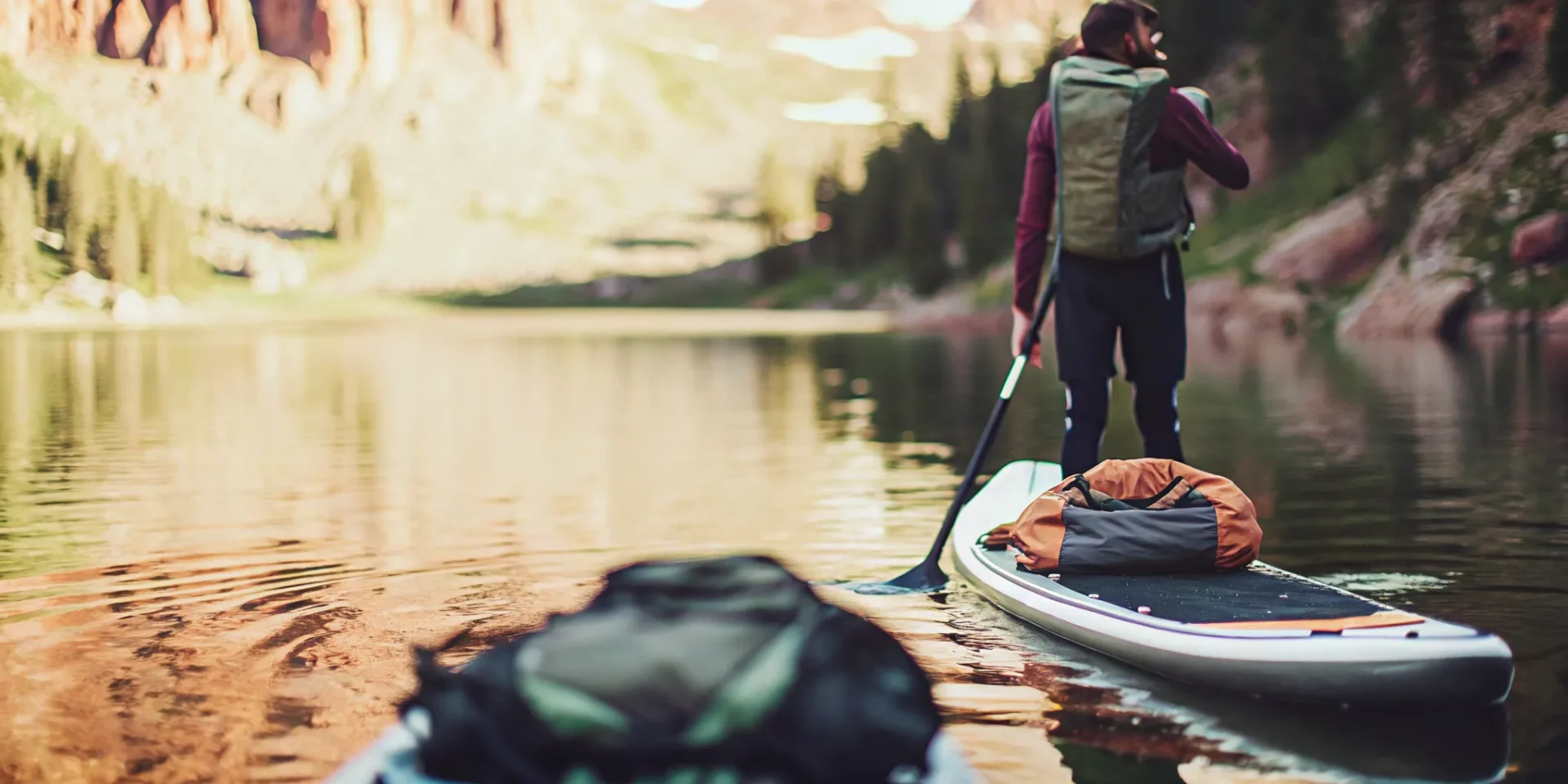
A little preparation can turn a good mountain lake outing into the kind of day you talk about all season. This guide to what to bring paddle boarding Colorado covers the practical choices that matter before you leave the car: clothing that handles a splash, sun protection, drinking water, secure storage, and a simple weather plan. Colorado’s mountain scenery is inviting, but cool water, changing wind, bright sun, and rocky shorelines reward paddlers who pack thoughtfully. Use this guide whether you are planning a first lesson, a family outing, or another peaceful morning on your own board.
Plan your Stand Up Paddle Colorado experience and confirm the details for your chosen outing.
What to Bring Paddle Boarding Colorado: Quick Checklist
Start with the essentials, then adjust for your location, experience, forecast, and booking details. If you are renting equipment, confirm what is provided before you pack. Rental and activity details can differ, so a quick check prevents both forgotten items and unnecessary luggage.
| Category | Pack or confirm | Why it matters |
|---|---|---|
| Core equipment | Board, paddle, properly fitted PFD, and location-appropriate leash | Supports a controlled, comfortable outing |
| Clothing | Quick-dry layers, sun shirt, warm layer, and secure footwear | Helps you adapt to splashes and weather changes |
| Sun care | Sunscreen, brimmed hat, sunglasses, and retainer strap | Reduces exposure to bright mountain sun and water glare |
| Personal supplies | Water, snack, medications, and towel | Keeps basic needs close at hand |
| Dry storage | Dry bag or waterproof pouch for keys and phone | Protects important belongings from spray and splashes |
| Planning | Forecast, route, return time, and booking confirmation | Creates a clear plan before launch |
Think of the list as a short pre-trip conversation with yourself. What will the air feel like when you arrive? What will you want if the wind starts? Where will your keys go? Who knows your plan? Answering those questions is often more useful than filling a large bag with extra gear.
What to Wear Paddle Boarding Lake Dillon
When deciding what to wear paddle boarding Lake Dillon, dress for contact with the water rather than only for the temperature in the parking lot. A sunny mountain morning can feel warm on shore, while spray, wind, or a brief swim can make the same outfit feel cool. The goal is not to dress heavily. It is to choose adaptable pieces that stay useful when wet.
Build a quick-dry layering system
Begin with a swimsuit or comfortable quick-dry base layer. Add a synthetic or wool top, then carry a lightweight warm layer or weather-resistant shell when the forecast calls for cooler or changeable conditions. Avoid relying on cotton sweatshirts, jeans, or other clothing that becomes heavy and slow to dry after a splash. Your layers should allow a full paddling motion without bunching at the shoulders or waist.
For a Lake Dillon outing, pack the layer you think you might need later, not only the one that feels comfortable at launch. A compact shell can fit in a dry bag and be easy to reach if the breeze changes. Before heading out, review current details for Stand Up Paddle Colorado at Dillon Marina so your clothing choices fit the planned experience.
Choose footwear that stays with you
Secure water shoes or strapped sandals are useful around docks, gravel, and rocky approaches. Choose footwear that grips when damp and will not float away if you step into the water. Loose flip-flops can be awkward to manage on a board and easy to lose. If you prefer to paddle barefoot, still bring appropriate shoes for the walk to and from the launch area.
Plan for a deliberate swim
Many paddlers fall in while learning, and even experienced paddlers may choose to take a swim. Dress so that getting wet is manageable rather than trip-ending. If conditions are cool or you expect more time in the water, ask the outfitter what exposure protection is appropriate for the day. Air temperature alone does not tell you how the water will feel.
Core Gear to Confirm Before Leaving Home
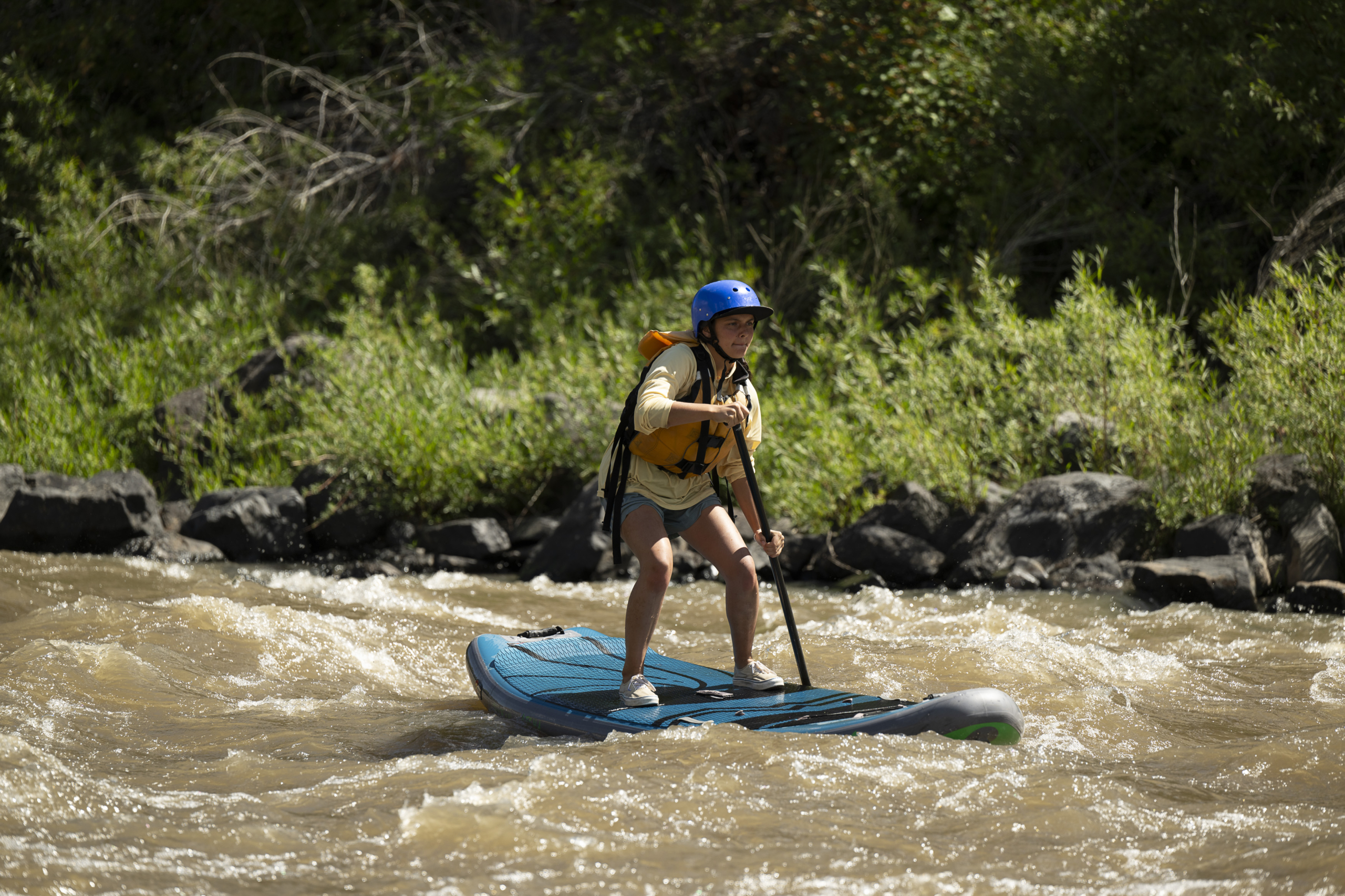
Your exact equipment list depends on whether you own a board, rent one, or join an organized activity. Do not assume that every booking includes the same items. Review the confirmation and ask direct questions about the board, paddle, personal flotation device, leash, and any other required equipment. That leaves you free to focus on personal items such as clothing, water, and sun protection.
Board, paddle, and personal flotation device
If you bring your own setup, inspect it before departure. Check the board for visible damage, confirm an inflatable board holds pressure as intended, and make sure the fin is secure. Look at the paddle adjustment and locking mechanism. Bring a properly fitted personal flotation device suitable for your activity, and know how to use it before launch. Rules and recommendations can vary by waterway and activity, so confirm current requirements with the relevant local authority or outfitter.
Use the right leash for the setting
A leash can help keep a board nearby after a fall on open, calm water, but leash selection is not one-size-fits-all. Moving water, obstacles, and different activity formats require different judgment. Ask a qualified local guide or outfitter what is appropriate for the location you plan to paddle. Never treat gear as a substitute for understanding conditions.
Carry simple backup items
For your own board, a small repair kit and pump may be sensible if they match the equipment and you know how to use them. A spare fin screw or other board-specific part can prevent a minor equipment issue from ending the day. Keep backup items organized in the vehicle unless they need to be carried on the board. The best kit is compact, familiar, and suited to your setup.
Sun, Hydration, and Personal Comfort
Mountain sun can feel deceptively gentle when the air is cool. Reflection from the water adds glare, and a paddler may spend a long time in an exposed position. Apply sunscreen before launch, and bring a small container if your time on the water may call for reapplication according to its label. A brimmed hat and sunglasses provide additional comfort. Add a retainer to sunglasses so one quick wobble does not send them to the bottom.
Bring drinking water in a secure, reusable bottle. Choose an amount that fits the length of the outing, the forecast, and your personal needs. If you are planning a longer session, pack a simple snack that tolerates heat and does not create loose litter. Secure bottles and food so they stay with the board if it tips.
Personal comfort also includes any medication you may need, a towel for afterward, and dry clothes left in the vehicle. Keep critical medication protected and accessible, and tell an appropriate companion or guide about information they need to know. A complete packing list is personal, so add the items that help you participate comfortably without making your board cluttered.
Pack a Dry Bag That Helps, Not Hinders
A small dry bag is usually more useful than an overfilled one. Put car keys, a protected phone, a compact layer, and other water-sensitive items inside. Close the bag according to its instructions, remove unnecessary air if appropriate, and attach it securely so it does not roll around the deck. Test unfamiliar dry storage at home before trusting it with something important.
Keep your phone protected and usable
A phone can support communication and photos, but it should not be your only plan. Charge it before the trip, protect it in a waterproof pouch or dry bag, and keep it secured to you or the board. Download or note useful information before leaving reliable service. If you carry an emergency contact card, keep it where it can be found easily.
Leave valuables behind
The simplest way to protect an item is not to bring it to the water. Leave unnecessary electronics, jewelry, and loose accessories in a secure place. Pack only what serves the outing. Fewer items mean less distraction while balancing, paddling, and enjoying the view.
Prevent loose gear and litter
Anything on the deck should be secured. Wind can take a wrapper, hat, or empty bottle quickly. Use containers that close, skip disposable items when practical, and check the launch area before leaving. Thoughtful packing supports the same mountain setting you came to enjoy.
Check Weather and Water Before You Launch
Forecast checking is part of packing because conditions determine which layers and supplies belong in your bag. Review the forecast close to departure and again at the water. Look beyond temperature. Wind direction and speed, precipitation, storm potential, visibility, and recent changes all matter. If the observed conditions do not match the plan, delay, shorten, relocate, or cancel the outing.
Make a simple route plan
Decide where you intend to paddle, when you will turn around, and what would make you return early. New paddlers can keep the route conservative and remain close enough to shore for the day’s conditions and their ability. Tell someone responsible where you are going and when you expect to be back. If you are with a group, agree on boundaries before anyone launches.
Respect wind from the start
Wind can make the return trip harder than the outward leg. Notice which way it is moving across the water before launch, and reassess as you paddle. A route that feels easy in one direction may require much more effort on the way back. Turn around while everyone still feels strong rather than waiting for fatigue to make the decision.
Have a clear stop rule
Darkening skies, increasing wind, reduced visibility, cold hands, fatigue, or discomfort are reasons to reassess promptly. There is no prize for forcing a session to continue. Returning to shore early can protect the day and leave everyone excited to paddle again.
A Calm Five-Minute Pre-Launch Routine
A repeatable routine catches small oversights before they become distractions. Set the board near the launch, keep the group together, and work through the same sequence every time.
- Observe the water and sky, then compare them with the forecast and route plan.
- Confirm the board, paddle, PFD, leash choice, and other required equipment are ready.
- Secure the dry bag, bottle, sunglasses, and any remaining deck items.
- Review the planned route, turnaround point, group expectations, and return time.
- Start conservatively, giving yourself time to settle before heading farther from launch.
Beginners can begin kneeling to become familiar with the board before standing. Keep movements smooth, leave room between boards, and communicate clearly. If a guide gives location-specific instructions, follow those instructions over a generic checklist. Local knowledge matters.
Adjust the List for Dillon and Avon
Colorado paddle boarding locations offer different settings, so the packing list should respond to where you are going. Lake Dillon has expansive mountain views and a large-water feel. Nottingham Lake in Avon offers another way to enjoy paddle sports near Vail. Check location information before each visit rather than assuming the same plan works everywhere.
Planning for Lake Dillon
For a Dillon outing, prioritize flexible layers, a compact shell when appropriate, sun protection, secure storage, and an intentional wind check. Build extra transition time into the plan so you are not rushing while organizing gear. The Dillon location page is the right place to review current Stand Up Paddle Colorado details before setting out.
Planning for Nottingham Lake in Avon
For Avon and Vail-area plans, use the same personal essentials but confirm the local activity details, access information, and current conditions. Pack for the actual forecast and experience rather than using yesterday’s Lake Dillon list without review. Visit the Stand Up Paddle Colorado Avon and Vail location page when planning time at Nottingham Lake.
Whichever location you choose, name it clearly when sharing your plan. Telling someone that you are going to Nottingham Lake in Avon or Dillon Marina at Lake Dillon is more useful than saying you are heading to a lake. Explicit details help your group prepare and make communication easier.
What Families and First-Time Paddlers Should Add
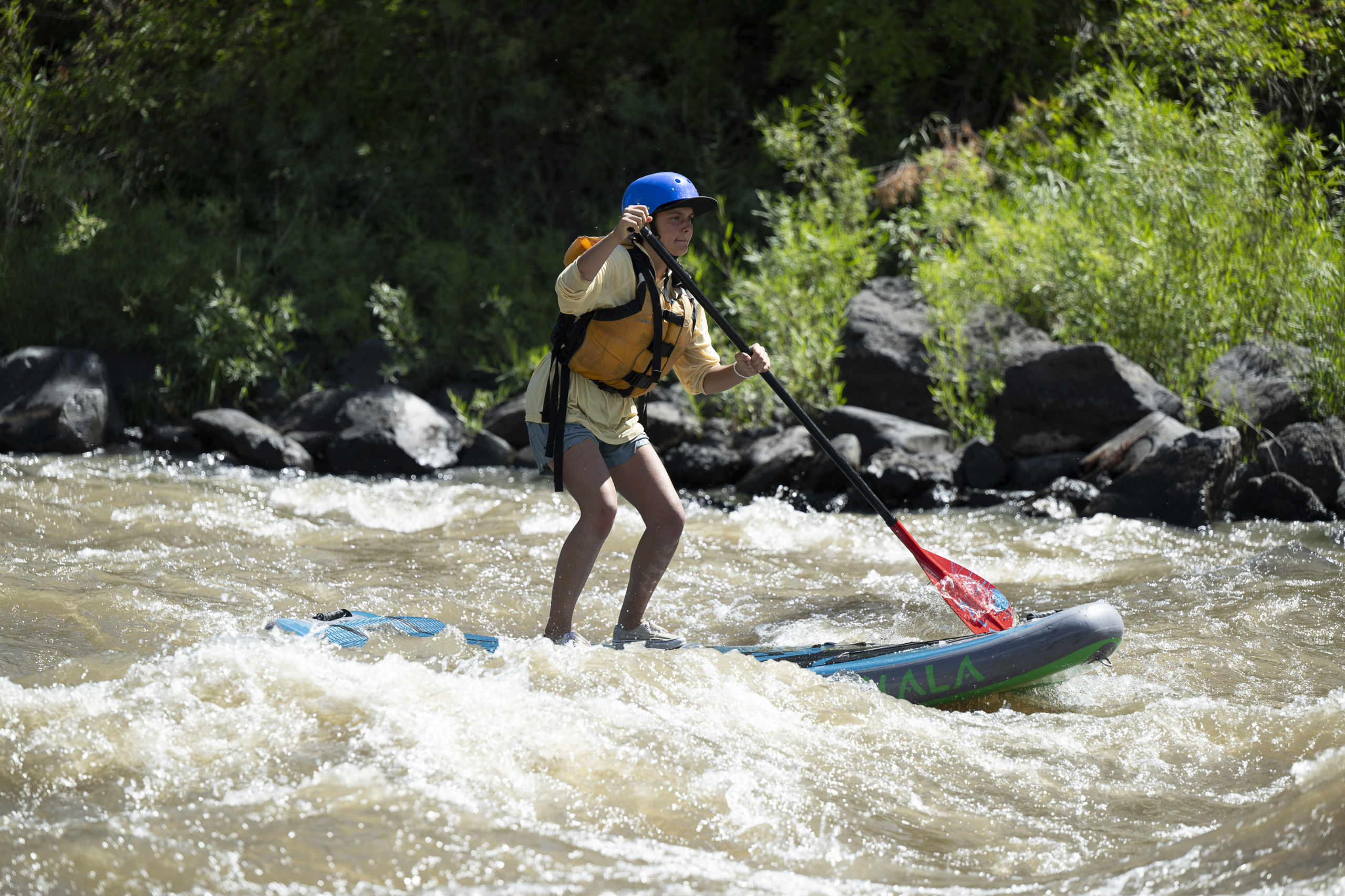
Families benefit from a few extra minutes of preparation. Bring clothing and PFDs that fit each participant, not gear that someone is expected to grow into. Pack familiar snacks, drinking water, sun protection, and a dry change of clothes for each child. Keep the first outing focused on comfort and curiosity rather than distance.
Before launch, explain where everyone will wait, how they will enter the water, and what to do if someone falls from a board. Use simple instructions and confirm understanding. Adults should make the route and conditions decisions rather than placing that responsibility on children. If a participant is uncertain, choose a shorter session or seek guided instruction.
First-time adults also benefit from a modest plan. Ask questions before entering the water, practice balance near the launch, and avoid comparing your progress with someone else’s. A comfortable kneeling paddle is still a worthwhile mountain experience. Good preparation creates space to learn without pressure.
Common Packing Mistakes to Avoid
Dressing only for the parking lot
The warmest moment on shore does not represent every moment on the board. Carry an adaptable layer and dress in quick-dry clothing. At the same time, avoid piling on bulky garments that restrict movement or become cumbersome when wet.
Bringing too much loose equipment
A crowded board is difficult to manage. Consolidate personal items into secure storage, leave nonessentials behind, and attach what you carry. Do a final deck check before launch.
Assuming every rental includes the same gear
Confirm inclusions, requirements, timing, and location directly from the booking details or outfitter. If something is unclear, ask before arrival. Assumptions create rushed decisions at the water.
Skipping the return-trip plan
Paddlers often focus on the exciting start and forget that they must return with enough energy and time. Set an early turnaround point, monitor the group, and remain willing to shorten the route. A thoughtful return is part of a successful outing.
Your Final Night-Before and Day-Of Check
The night before, place clothing, sun protection, water bottle, dry bag, footwear, and booking information together. Charge your phone and inspect personal equipment. Review the forecast, but expect to check it again. This keeps the morning organized without locking you into a plan that no longer fits.
On the day of the outing, eat appropriately for your needs, fill the water bottle, and reassess every item against current conditions. At the launch, observe before unloading everything. Confirm the meeting point and instructions for your Stand Up Paddle Colorado activity. A careful pause is faster than correcting a preventable problem on the water.
Knowing what to bring paddle boarding Colorado mountains is ultimately about making good decisions, not owning the largest gear collection. Pack the essentials, confirm unknowns, respect changing conditions, and choose a plan that suits the least experienced member of the group. With those pieces in place, you can give more attention to the reason you came: moving across the water beneath Colorado’s mountain skyline.
Frequently Asked Questions
What should I bring paddle boarding in Colorado?
Bring quick-dry clothing, secure footwear, sun protection, drinking water, a dry bag, and any personal essentials. Confirm the board, paddle, properly fitted PFD, location-appropriate leash, and other required gear with your outfitter or local authority before launch.
What should I wear paddle boarding on Lake Dillon?
Wear a swimsuit or quick-dry base layer with flexible synthetic or wool layers. Bring secure water footwear, sun protection, and a compact warm or weather-resistant layer suited to the current forecast.
What should go in a paddle board dry bag?
Pack only useful water-sensitive items, such as secured car keys, a protected phone, critical medication, and a compact layer. Close and attach the dry bag correctly, and leave unnecessary valuables behind.
How should a beginner prepare before launching?
Check current weather and water conditions, confirm equipment, secure loose items, share a conservative route and return time, and ask for location-specific guidance. Start close to the launch and turn back before becoming tired or uncomfortable.