
Paddling across Dillon Reservoir at 9,017 feet requires a keen eye on the alpine clock. Glassy morning waters quickly give way to intense afternoon mountain winds that can swamp a paddleboard. Timing your session perfectly is the key to a safe, memorable day on the reservoir.
The best time for paddle boarding Lake Dillon is from late June through early September, mostly during the calm morning hours before 11:00 AM. During these peak summer months, surface water is a cool 63 to 66 degrees Fahrenheit. The reservoir always has optimal Lake Dillon water levels for summer paddling. Launching early is vital because mountain winds regularly spike to 20 or 30 miles per hour in the afternoon.
Book your Lake Dillon paddle board rental today and secure the best morning launch time before the afternoon winds arrive.
How do you plan the perfect trip around these mountain weather shifts? The path begins with understanding the full yearly window and what each season offers.
What Is the Best Time of Day to Paddle Board Lake Dillon?
Morning is by far the best time for paddle boarding Lake Dillon. Starting your session before 11:00 AM gives you the calmest water and safest conditions. As local mountain guides say, 99 out of 100 days in the Colorado mountains have calmer winds in the morning. Most rental guides suggest you launch your board by 9:00 AM and plan to be off the water by noon.
The calm morning window
Early morning hours offer flat water that is perfect for both new and skilled paddlers. Before the sun heats the mountain slopes, the air is cool and still. This quiet window is the best time for paddle boarding Lake Dillon because the water is smooth like glass. If you want a peaceful and easy paddle, plan your trip to start early in the morning. Before you launch, you should review the Dillon Marina paddle boarding etiquette rules to help paddlers share the water safely with motor boats.
High altitude thermal winds
As the day goes on, the weather on Dillon Reservoir changes quickly. The sun heats up the high mountain peaks and the valley walls, creating thermal winds that blow across the water. This shift often begins around noon and can make paddling back to shore very hard. Local tour guides report a 30 percent refund rate for afternoon trips because the winds are often too strong for safe paddling. Planning your trip for the morning ensures you do not get stuck on the lake.
Reserve your morning paddle board spot now before the midday winds roll in.
Afternoon safety and other sports
If you stay out past noon, you may face severe weather risks from fast-building storm cells. As the Summit County Sheriff reports, sudden storms can bring winds of 20 to 30 miles per hour that can quickly create waves of two to four feet. These rough waves often lead to water rescues. But these afternoon winds are not bad news for everyone on the water. While high winds make paddle boarding hard, they are perfect for people who love wingfoiling. Strong gusts provide the perfect power needed to fly across the water on a foil board.
Which Months Offer the Best Paddle Boarding Conditions on Lake Dillon?
Planning a trip to the Rocky Mountains means finding the best time for paddle boarding Lake Dillon. The peak season for paddling runs from late June through early September. This high-altitude lake stays deep and full all summer, providing plenty of water for recreational paddling.
- Late June through August (Peak Season): Water temperatures reach 63 to 70 degrees Fahrenheit. This is the safest window for paddling, with the most stable morning weather and the warmest surface water. August is the single best month overall.
- Late May through June (Early Season): The lake opens after ice melts. Water temperatures range from 43 to 55 degrees Fahrenheit. You must wear a full wetsuit. The lake is much calmer with fewer crowds, making it ideal for locals who want peace and quiet.
- September (Shoulder Season): Tourist crowds drop off as schools resume. Water stays warm early in the month, holding onto summer heat. Fewer boats mean smoother water for long paddle sessions.
Early season paddling in May and June
The early season starts in late May and runs through June. During these spring weeks, the high-altitude sun melts the snow from the peaks, which fills the lake. This snowmelt means the water is very cold, often near 43 degrees in early June. Because of these cold temps, you must wear a wetsuit and use extra care if you go out. But the early season has one big plus for local paddlers. The lake is much calmer than in the peak of summer, so you can enjoy the mountain views in peace. If you want to find other quiet spots in the area, check out the Summit County paddle boarding spots on our list.
September shoulder season
As August ends and September begins, tourist crowds drop off significantly. This is another great shoulder season to explore the lake. The water stays warm early in the month, holding onto the heat of the summer sun. With fewer boats on the lake, the water is smooth and calm for long paddle sessions. No matter which month you choose, safety always comes first on these high-altitude waters.
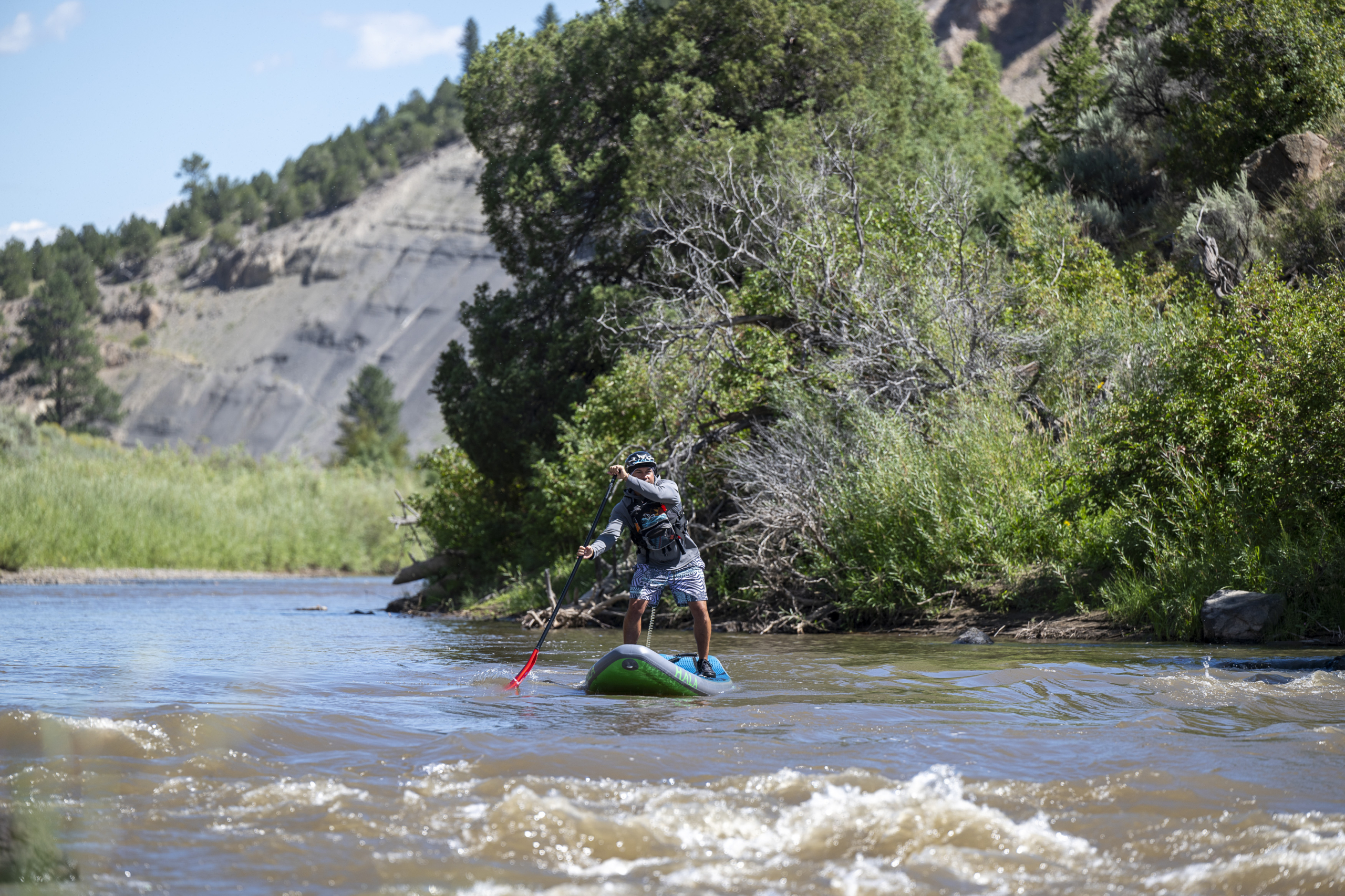
The Lake Dillon Paddle Boarding Season: Late May to Early September
Planning a trip to Summit County requires knowing the local calendar. The best time for paddle boarding Lake Dillon starts in late May and runs through early September. This brief paddling window lasts about fourteen to fifteen weeks. It is much shorter than standard flatwater seasons because of the high mountain setting. At over 9,000 feet above sea level, high altitude limits the summer season. Cold winters and late spring snow keep the lake water cold; thick ice often stays until mid-May.
Reliable water all summer
Denver Water owns and operates the reservoir, so the lake stays full even during dry summer months. The Dillon Reservoir Recreation Committee manages all recreation on the water, keeping boat ramps and shorelines open for visitors. There is always plenty of water to enjoy a safe paddle board or kayak trip. Unlike other lakes that dry up, Dillon stays deep and wide, so you do not have to worry about mud or rocks as you paddle.
Ranger safety patrols
Safety is a top priority on this large alpine lake. During the summer months, the reservoir surface is patrolled by the Summit County Sheriff’s Office seven days a week. Rangers are always ready to help. Even with patrols on the water, you must wear a life jacket and carry a whistle. Staying ready is the best way to enjoy your day.
Month-by-Month Water Temperatures on Dillon Reservoir
Dillon Reservoir sits high up at 9,017 feet. Being so high up means the water comes from melting snow in the mountains, so it stays very cold all year. The reservoir is deep, which also keeps the deep layers of water cold. When the wind blows, it stirs the lake and brings cold water to the surface. Even on hot summer days, the reservoir has a serious risk of cold water shock. A sudden fall into the lake can cause cold water paralysis or hypothermia in a few minutes.
High-altitude water temperature facts
Water temps change slowly through the year. Here is what you can expect each month during the paddling season.
| Month | Water Temp Range | Wetsuit Needed? |
|---|---|---|
| May | 43-50°F | Full wetsuit |
| June | 45-55°F | Full wetsuit |
| July | 57-68°F | Shorty wetsuit |
| August | 61-70°F | Shorty or top |
| September | 57-68°F | Warm top |
In early June, a kayaker was rescued from 43-degree water after a capsize. August is the warmest month, with water reaching 61 to 70 degrees Fahrenheit. This late summer window is often the best time for paddle boarding Lake Dillon. By September, water temps drop back down to 57 to 68 degrees Fahrenheit, and the cool mountain air makes the water feel much colder during late afternoon sessions.
Wetsuit recommendations for paddling
Choosing the right gear is key when planning your Lake Dillon paddle trip. We recommend wearing warm gear based on the water temps during your visit.
- May and June: Full wetsuit required. The water is freezing, and falling in without warm gear is dangerous. Booties and gloves are also helpful.
- July and August: Shorty wetsuit or neoprene top recommended. A splash jacket protects you from cool winds.
- September: Warm top or dry set of clothes on hand. Mountain air cools down quickly this time of year.
Summer Crowds and Weekly Demand Patterns
If you are planning your Lake Dillon paddle trip, picking the right window will shape your day. The high mountain lake is a major draw for summer guests in Summit County. With plenty of deep water on the reservoir, the lake is always a great choice for paddling.
Mid-summer rush in July and August
The peak of the summer season brings the highest number of guests to the Dillon Marina. Saturdays and Sundays during July and August are the busiest times of the year on the lake. You will find more boats, busy docks, and full parking lots on the weekend. County boat rangers patrol the water seven days a week during these busy summer months.
Shoulder season spacing
If you prefer a calmer trip, the shoulder seasons offer a great choice. The main paddling season runs from May 24 to September 2. Early shoulder weeks cover late May and June when local schools are still in session. The late shoulder season starts in late August and runs through September, as parents head home when school starts up again.
Midweek morning advantages
If you want the calmest water and the lowest crowd levels, you should aim for weekday mornings. A Tuesday or Wednesday morning is the true best time for paddle boarding Lake Dillon. You will beat the afternoon winds and avoid the rush at the busy launch ramp. Check availability and book your midweek paddle board rental for the most peaceful experience on the water.
High-Altitude Safety Essentials for Lake Dillon Paddle Boarding
Paddling on Dillon Reservoir is a fun way to enjoy the Rocky Mountains. But at over 9,000 feet, safety must always come first. Preparing for cold water and sudden wind helps you find the best time for paddle boarding Lake Dillon.
Cold water shock and temperature risks
The water in Dillon Reservoir remains very cold all year, even in the middle of summer. In early June, the water temperature is often 43 degrees Fahrenheit. This intense cold poses a major risk of hypothermia and cold water shock if you fall off your board. To stay safe, wear a wetsuit appropriate for the season.
State laws and required gear
Colorado law treats paddleboards as vessels, which means you must have:
- A life jacket (personal flotation device or PFD) on board
- A whistle to signal for help
- A safety leash connected to your board
- Your name and phone number labeled on your craft
Unmarked boards that float away can trigger massive search and rescue missions. Labeling your board prevents false alarms and keeps you safe. You can get a life jacket and whistle with your paddle board or kayak rental at the marina.
Wind patterns and summer storms
High-altitude weather changes fast. The reservoir experiences fast-building storm cells throughout the summer. These storms cause rapid wind shifts and can whip up two-to-four-foot waves in a matter of minutes. When you are managing wind on Lake Dillon, you must stay close to the shore. The Summit County Sheriff patrols the water seven days a week during the summer, but you should not rely on rescue. Always check the weather forecast before you launch.
Book your Lake Dillon paddle board rental today and enjoy the best morning conditions with expert guidance from the Stand Up Paddle Colorado team.
Frequently Asked Questions
What is the best time of day to go paddle boarding on Lake Dillon?
Morning is the best time of day to go paddle boarding on Lake Dillon because the water is calmest. Mountain winds usually pick up by mid-day, creating waves that make paddling hard. Safety reports from the Summit County Sheriff note that afternoon wind gusts can reach 40 miles per hour. Plan to get on the water by 8:00 AM and finish your trip by noon to avoid these rough conditions and sudden storms.
When is the best season to paddle board on Lake Dillon?
The best season runs from late June through early September. During these summer months, the air is warm and the reservoir surface has the warmest water temperatures, which average 63 to 66 degrees Fahrenheit. There is always plenty of water in Lake Dillon for paddling during these months, so you do not have to worry about low water levels.
Is paddle boarding on Lake Dillon suitable for beginners?
Yes, Lake Dillon is great for beginners if you stick to the calm morning hours. The reservoir is large and has plenty of water for paddling, which gives you lots of space to practice. However, high-altitude mountain winds and cold water can make it tough for new paddlers. We recommend taking a lesson or trying a stable kayak rental if you are new to the water.
What should I bring for a paddle boarding trip to Lake Dillon?
You should bring warm layers, sun protection, and plenty of drinking water. Because Lake Dillon is at an elevation of 9,017 feet, the sun is very strong, and the weather can change quickly. Since the water is extremely cold, you should also bring a change of dry clothes. A life jacket and a whistle are required by law, and you can get these with your rental at the marina.
What are the rules for paddle boarding on Dillon Reservoir?
By Colorado law, all paddleboards are classified as vessels. This means you must wear a life jacket at all times, carry a whistle, and label your board with your name and phone number. You should also avoid areas near the dam and stay clear of motorized boat lanes. Following these rules keeps everyone safe and helps preserve the reservoir for future visitors.