Duckie Rafting Colorado: A Practical First-Timer Guide
06/24/26
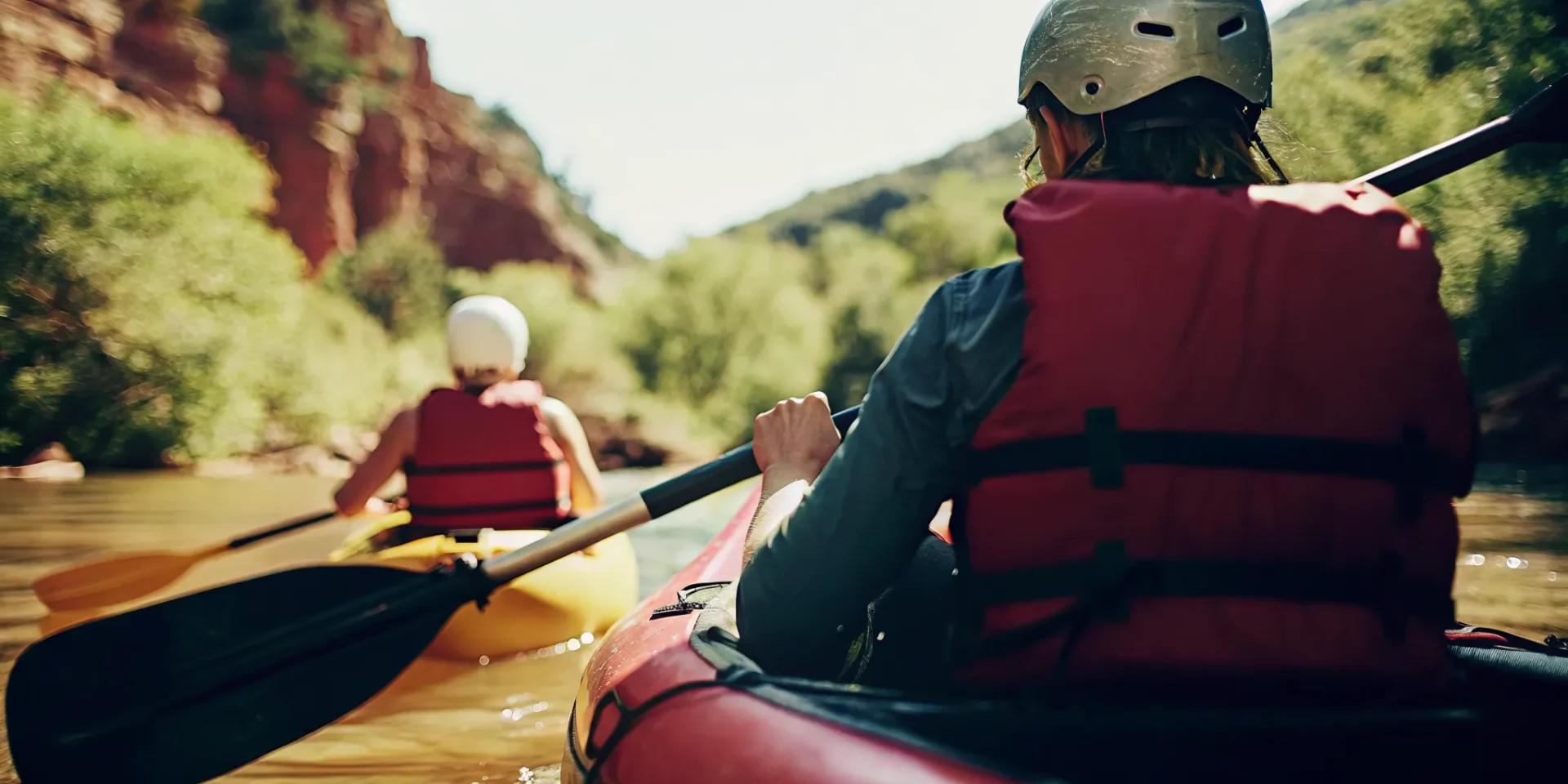
Duckie rafting Colorado puts you in a small inflatable kayak that you paddle and steer yourself. Offering a hands-on alternative to riding in a guided raft or balancing on a stand-up paddleboard. For active first-timers, the State Bridge self-guided SUP and duckie option can be an approachable way to experience the Colorado River after completing the required preparation.
Explore the State Bridge Colorado River adventure and confirm current availability.
The current site and customer knowledge base list the three-hour State Bridge self-guided option at $80 per paddler, with single and tandem duckies available. Prices, conditions, operating details, and participation requirements can change, so confirm all current details directly before booking.
What is duckie rafting Colorado?
Duckie rafting uses a compact inflatable kayak designed for one or two paddlers. Unlike a guided raft, you control the craft with your own paddle. The format feels more active and independent than a raft, while the seated position generally asks less of your standing balance than a SUP.
A duckie, also called an inflatable kayak, has air-filled sides and a relatively wide footprint. You sit low, use a double-bladed paddle, and make your own steering decisions. A single duckie gives one paddler full responsibility. A tandem gives two people the chance to divide the effort, but they need to coordinate their strokes and direction.
That independence is the main appeal. You are not simply a passenger, and every useful paddle stroke contributes to the outing. It also means you need to listen, stay attentive, and honestly assess your comfort. Conditions on a river can vary. Never rely on a general article to decide whether a particular day or activity is appropriate; ask the outfitter about current conditions and requirements.
Is a duckie the right boat for your first river day?
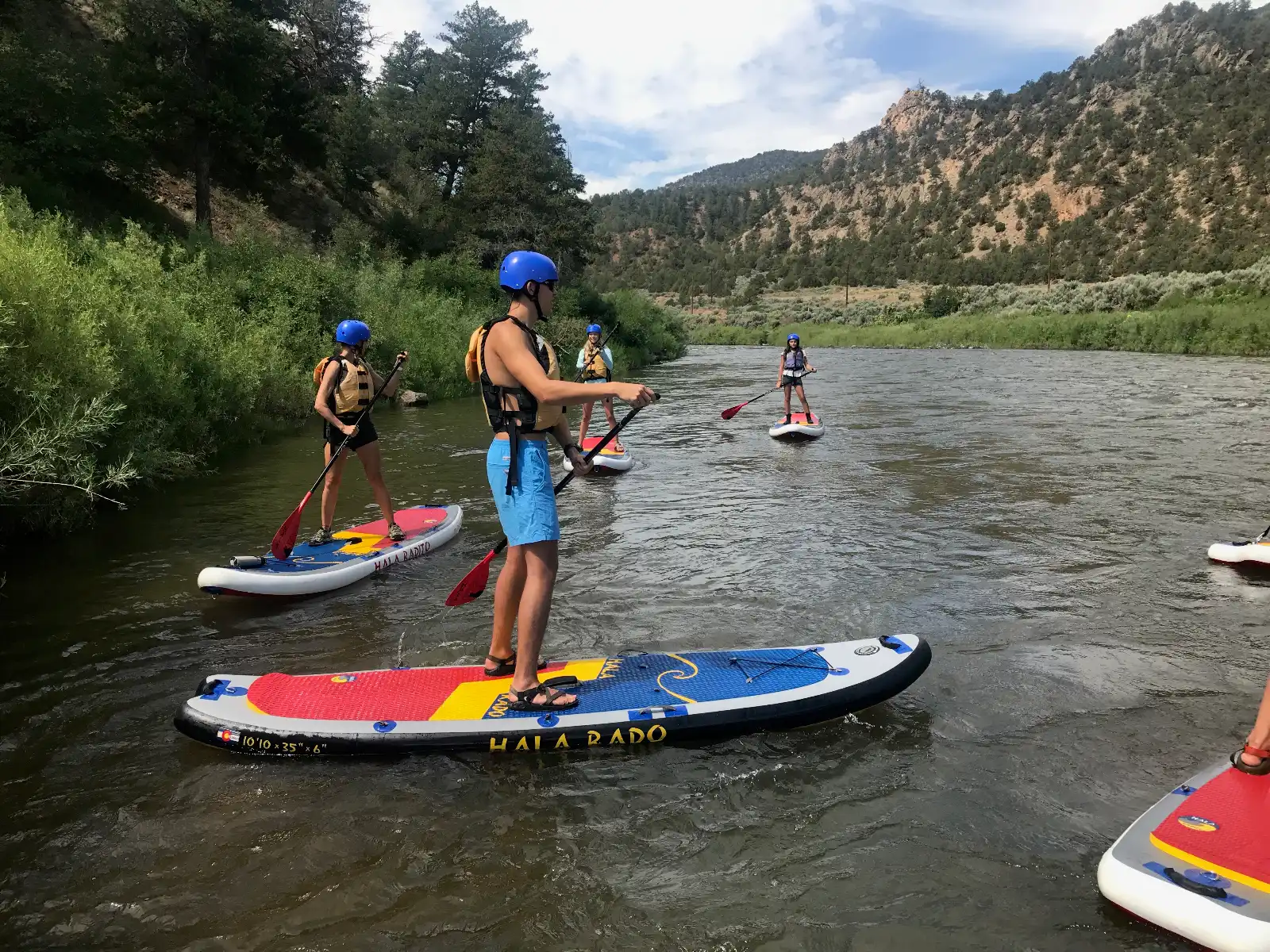
A duckie is best for someone who wants to participate actively, steer independently, and accept that getting wet or flipping is possible. A guided raft better suits guests who want leadership in the boat. A SUP favors people excited by standing balance and a different perspective on the water.
Use this quick decision list before you book:
- Choose a duckie if you want a seated, hands-on craft and feel ready to paddle and make decisions.
- Choose a guided raft if you prefer a guide to lead the boat and want a shared group experience.
- Choose a SUP if standing or kneeling balance is part of the fun you want.
- Ask before choosing if anyone in your group has concerns about swimming, exertion, fit, or current requirements.
| Boat. | Control. | Main appeal. |
|---|---|---|
| Duckie. | You steer. | Seated, independent paddling. |
| Guided raft. | A guide leads. | Shared, guided teamwork. |
| SUP. | You steer. | A standing balance challenge. |
No chart can account for changing conditions or an individual’s needs. Review the broader Colorado water adventure options, then contact the team if the choice is not obvious. Be candid about experience and concerns so staff can explain the current options without guesswork.
What should first-timers expect at State Bridge?
First-timers should expect check-in, a required waiver, a safety briefing, and an equipment fitting before launching. PFDs, helmets, and wetsuits are available or used as appropriate, and equipment is checked daily. Listen carefully, ask questions, and confirm the day’s procedures rather than assuming every visit works the same way.
The State Bridge offering is a self-guided SUP and duckie option. Self-guided does not mean unprepared. The required briefing is where you learn the instructions that apply to the day and equipment. The fitting helps ensure provided gear is appropriate. Treat both as essential parts of the experience, not paperwork or delays to rush through.
A practical first-timer sequence looks like this:
- Confirm the current listing, availability, participation requirements, and what is included.
- Arrive ready to complete check-in and the required waiver.
- Tell staff about your experience level and concerns.
- Complete the safety briefing and equipment fitting.
- Ask for clarification about anything you do not understand.
- Follow all current instructions while on and around the water.
- Return equipment and change into dry clothes afterward.
Do not assume a route, rapid level, minimum age, physical requirement, or launch procedure from something you read elsewhere. Those details are not established here and may depend on current operations and conditions. Confirm current participation requirements with Stand Up Paddle Colorado before committing your group.
Compare available adventures if you would rather have a guide lead the on-water experience.
How can you handle fear of flipping?
It is reasonable to worry about flipping before a first duckie trip. A flip is possible, and pretending otherwise does not build confidence. The useful response is preparation: tell staff about the concern, focus during the safety briefing, wear fitted gear, and know the instructions before you launch.
Start by separating nervousness from panic. Mild nerves often ease once you understand the equipment and expectations. If the idea of controlling a small craft still feels overwhelming after the briefing, say so. Choosing a guided raft may be the wiser and more enjoyable decision. A river outing is not a test you need to pass.
During the briefing, listen specifically for what staff instruct you to do if you enter the water, lose contact with the duckie, or need assistance. Procedures can depend on the activity and current setting, so follow their directions rather than generic internet advice. Keep your PFD properly fitted and do not loosen or remove required equipment on the water.
Tandem boats can feel reassuring because you share the paddling, but they also require communication. A single may feel simpler to steer because only one person makes decisions. Neither choice is universally better for a nervous first-timer. Explain what worries you and ask staff to help you understand the tradeoffs.
What should you wear and bring?
Wear quick-drying clothes and secure footwear that can get wet. Bring sun protection, drinking water, and a dry change for afterward, while leaving unnecessary valuables behind. Because PFDs, helmets, and wetsuits are available or used as appropriate, confirm what is provided and what you must bring before arrival.
What to wear
Choose practical layers made to dry quickly. Avoid cotton and denim because they retain water and can feel cold and heavy once wet. Secure water shoes or old athletic shoes are more useful than loose flip-flops. Conditions can change, so ask the outfitter what clothing makes sense for your scheduled time.
Wetsuits may be available or used as appropriate. Do not assume you will or will not need one based only on the air temperature. Ask what staff recommends for current conditions. The same principle applies to helmets and PFDs: use required gear as instructed, make sure it fits, and speak up immediately if anything feels wrong.
What to bring
- Water in a secure, practical container.
- Sun protection suitable for time outdoors.
- A dry shirt, bottoms, socks, shoes, and towel for afterward.
- Any personal necessities staff confirms can be safely accommodated.
- A plan for securing keys, phone, wallet, and other valuables off the water.
Avoid bringing anything you cannot afford to damage or lose. Ask before attaching personal items to the boat. The outfitter can tell you what storage or attachment options are currently permitted. Packing lightly reduces distractions and lets you focus on instructions, paddling, and your surroundings.
How do safety preparation and equipment work?
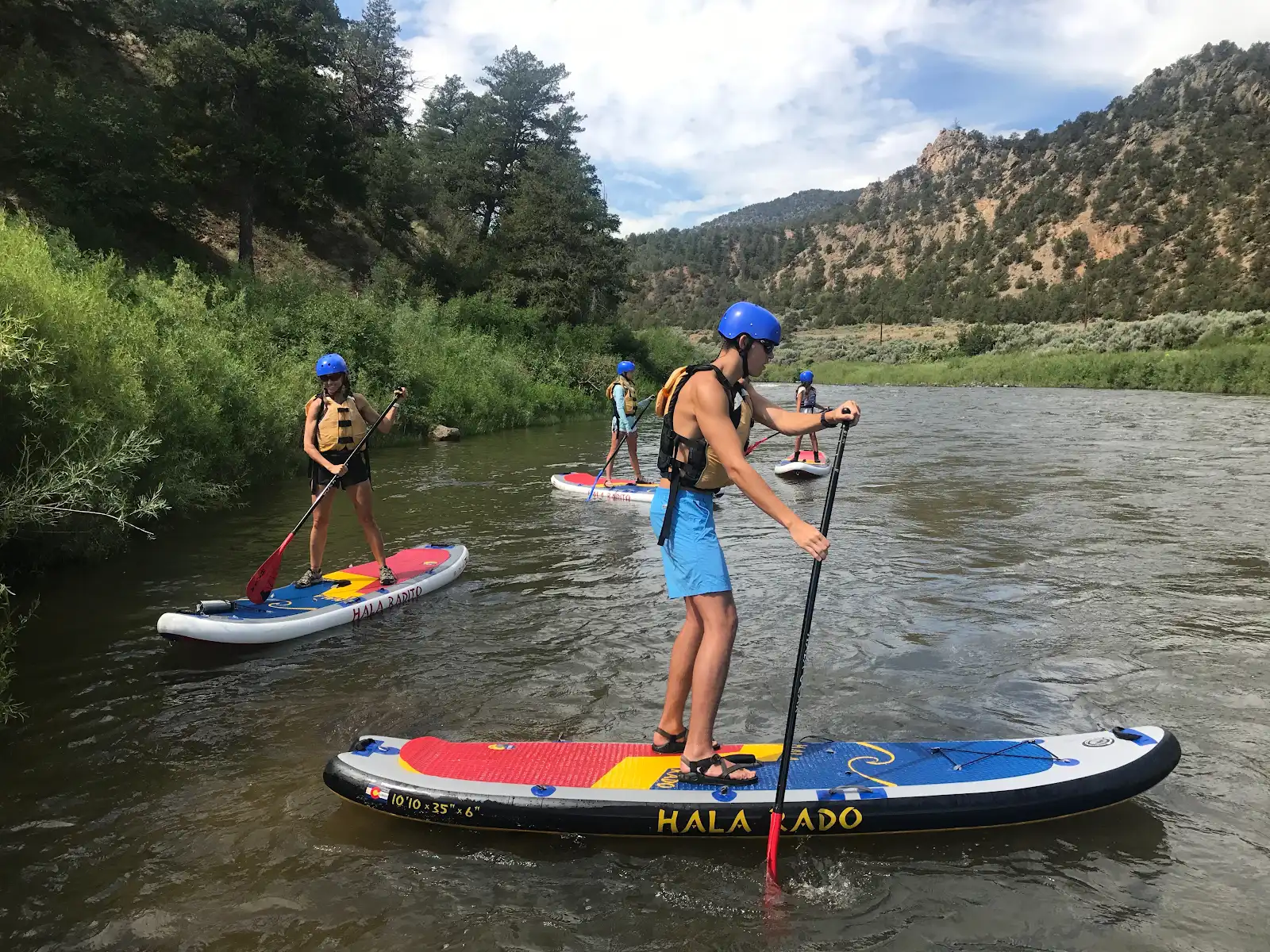
Safety preparation includes a required waiver, a safety briefing, and an equipment fitting. PFDs, helmets, and wetsuits are available or used as appropriate, while equipment is checked daily. Your responsibility is to listen, disclose concerns, use gear as directed, and confirm current requirements before the outing.
Daily equipment checks are an important operational practice, but they do not replace a personal fit check. During fitting, pay attention to comfort and security. Tell staff if a PFD, helmet, wetsuit, or other item feels incorrect. Do not make your own unapproved adjustments once the team has explained how equipment should be worn and used.
The waiver and briefing also deserve your full attention. Read what you sign. Ask about unfamiliar terms. Make sure everyone in the group understands instructions, including what to do if they become uncomfortable. If a current participation rule affects someone in your party, it is far better to learn that before arrival, so verify requirements directly when booking.
Good judgment continues after launch. Follow the instructions provided for that day’s activity, remain aware, and do not pressure another paddler to exceed their comfort. Environmental stewardship matters too: keep personal items secure, avoid leaving waste, and respect the place that makes the experience possible.
How should you plan and book the State Bridge option?
Begin with the current State Bridge listing, then verify availability, price, duration, inclusions, and participation requirements directly. The site and customer knowledge base currently list a three-hour self-guided SUP or duckie option at $80 per paddler, with single and tandem duckies, but details can change.
Before booking, decide whether each person prefers a single duckie, tandem duckie, SUP, or guided experience. Your group does not need to make the same choice simply to have a successful outing. What matters is matching each guest’s interest and confidence to an option currently available and appropriate.
Ask concise questions when contacting the team:
- Is the State Bridge self-guided duckie option available on our preferred date?
- What are the current price, duration, and participation requirements?
- Which provided equipment should we expect, and what should we bring?
- Would you recommend a single, tandem, SUP, or guided raft for our group?
- What should a concerned first-timer know about current conditions?
For more context about the outfitter and its range of experiences, visit Stand Up Paddle Colorado. When you are ready, use the location page rather than an old third-party description as the starting point for current details.
Check the current State Bridge listing and plan your Colorado River day.
How can a group make the right choice together?
A successful group plan starts with honest conversations about independence, balance, exertion, and fear of falling in. Do not let the most confident guest choose for everyone. Compare duckies, a guided raft, and SUPs, then confirm which options and requirements currently apply before booking the outing.
Ask every participant what kind of experience sounds enjoyable, not merely what they think they can tolerate. Someone who wants to sit with a guide and share the work may have more fun in a raft. Someone eager to steer a small craft may prefer a duckie. A guest who enjoys a balance challenge may be drawn to a SUP.
Within the duckie choice, discuss single versus tandem boats. A single removes the need to synchronize with a partner, but the paddler manages all movement and decisions. A tandem divides the physical work and can feel social, yet mismatched strokes or unclear communication may be frustrating. Neither configuration guarantees greater comfort for every person.
Groups should also make space for someone to change their mind after learning more. If current options allow it, ask staff when boat selections must be final. Never pressure a nervous participant into a self-guided craft simply because others want that format. A well-matched activity is more memorable than forcing everyone into one boat type.
Parents, trip organizers, and group leaders should confirm current participation requirements directly rather than making assumptions for someone else. Share relevant concerns when booking and again at check-in. Staff need accurate information to explain available choices, and participants need the freedom to ask their own questions during fitting and the required safety briefing.
Finally, agree on practical expectations before arrival. Everyone should bring suitable clothing, arrive ready for the waiver and fitting, and understand that the plan depends on current operations and conditions. That preparation reduces last-minute stress and lets the group focus on listening, learning, and enjoying time outdoors together.
Frequently asked questions about duckie rafting Colorado
These answers cover the first questions most guests ask about fit, flipping, clothing, and boat choice. They are planning guidance, not a substitute for the required briefing or current outfitter information. Confirm availability, conditions, participation requirements, and all operational details directly before your State Bridge outing.
Is duckie rafting Colorado suitable for a first-timer?
It can be a good fit for an active first-timer who wants to paddle and steer. Ask the outfitter about current conditions and participation requirements, listen closely to the safety briefing. And choose a guided raft instead if you prefer a guide to manage the boat.
What happens if I flip a duckie?
Flipping is possible, so pay close attention to the pre-launch instructions about swimming and getting back to the boat. Keep your PFD fitted, stay calm, and follow the directions given during the safety briefing. Ask questions before launching if falling in is your biggest concern.
What should I wear for duckie rafting?
Wear quick-drying layers and secure footwear that can get wet. Avoid cotton and loose flip-flops. Bring sun protection and a dry change of clothes for afterward. Wetsuits, helmets, and PFDs are available or used as appropriate, so confirm what the outfitter will provide.
Should I choose a single or tandem duckie?
Choose a single if you want complete control and are comfortable paddling independently. A tandem lets two paddlers share the work but requires coordination. Discuss your confidence, group, and current river conditions with the outfitter before choosing either option.
Choose your State Bridge adventure
Ready to put the comparison into action? Review the current Colorado River options, confirm participation requirements, and select the guided or self-guided State Bridge adventure that best fits your comfort and goals.
Choose your State Bridge adventure with Stand Up Paddle Colorado.