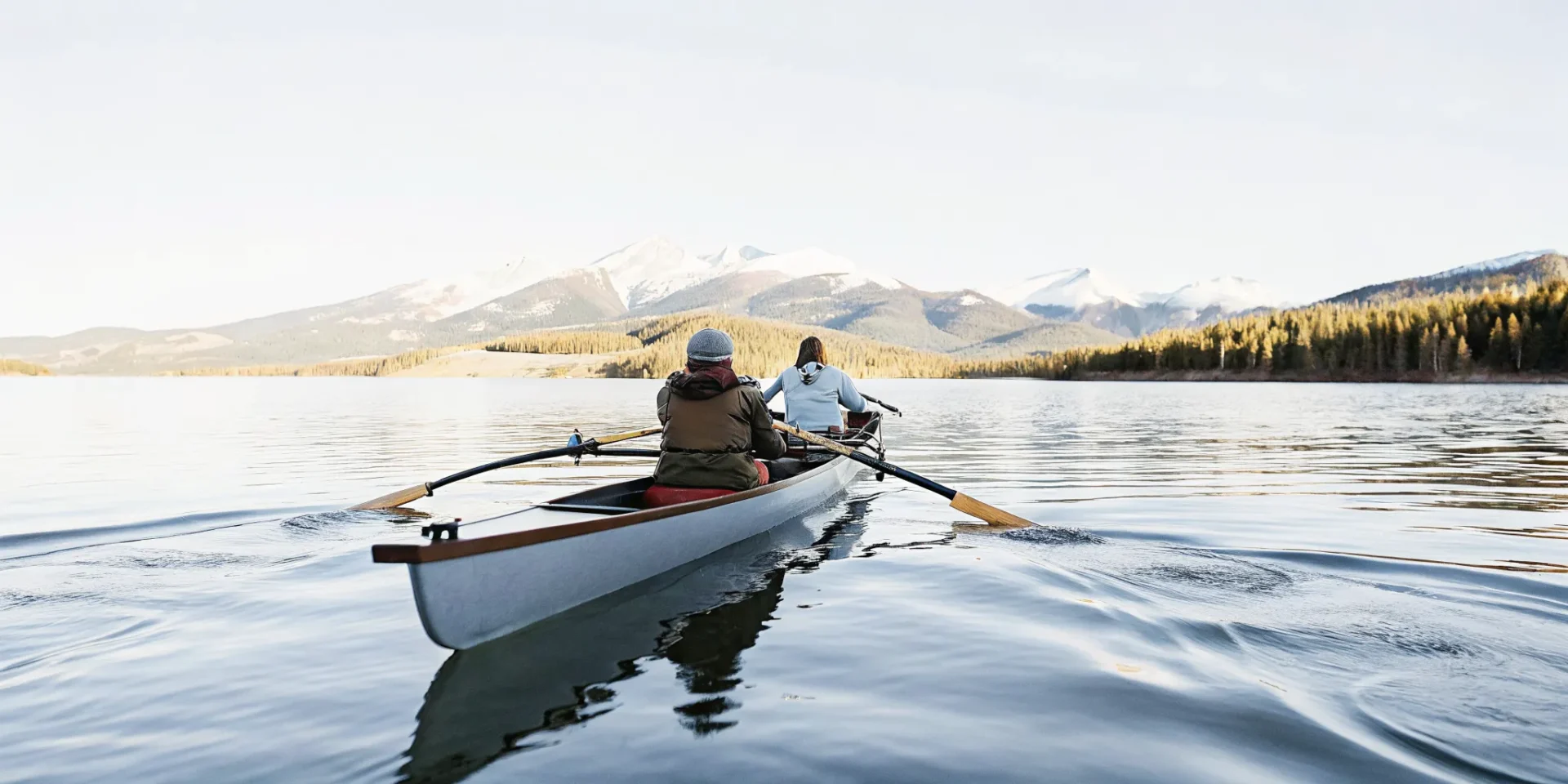
Lake Dillon rewards paddlers who trade a solo rental for a synchronized crew. An outrigger turns mountain water into a guided team adventure grounded in Polynesian paddling traditions.
Book your guided Lake Dillon outrigger canoe experience today
Outrigger canoe Colorado adventures at Lake Dillon pair a guided cultural tour with stable, multi-person paddling on high-alpine water, framed by mountain views and fresh air. Unlike a solo paddleboard or kayak rental, each crew learns together, follows an experienced guide, and shares the work of moving the canoe across open water. The canoe’s side float, called an ama, adds lateral stability; academic research explains that this buoyant platform greatly improves resistance to capsizing forces from the side. Beginners and groups can enjoy a more stable, social outing with instruction, while independent rentals give confident paddlers freedom to set their pace and route. That makes the guided canoe a strong choice for families, first-time paddlers, and friends seeking a shared Lake Dillon adventure.
The real choice is not simply canoe versus board or kayak; it is guided teamwork versus a self-directed rental. To decide which Lake Dillon day fits your group, we first ask: What makes outrigger canoe Colorado experiences different? Here’s how.
What makes outrigger canoe Colorado experiences different?
The canoe and its ama
An outrigger canoe is a long canoe with a smaller side float called an ama. Arms connect the ama to the main hull. This simple form sets the craft apart from a kayak, standard canoe, or stand-up paddleboard.
The ama adds side-to-side stability and helps resist the forces that can roll a boat. Research from the University of Hawaii describes the outrigger as a stable, buoyant platform that improves lateral resistance to capsizing. That support can make the canoe feel less exposed for a first-time paddler.
Stability does not mean paddlers can ignore wind, weather, or instructions. Lake conditions still shape every outing. The ama simply gives the crew a more stable base for learning the stroke and moving together.
A shared paddling rhythm
Stand-up paddleboarding often centers on one paddler controlling one board. An outrigger canoe Colorado experience puts several paddlers in one craft, with each person adding power to a shared line. The crew works best when paddles enter and leave the water in rhythm.
Team paddling changes the feel of the outing. Guests listen, watch the paddler ahead, and adjust their timing rather than choosing separate routes. Readers weighing different craft can explore alternative water experiences like outrigger canoeing alongside Lake Dillon kayak and SUP options.
The rhythm also makes the guide’s role easy to see. A guide can teach the basic stroke, set the pace, steer the canoe, and help the crew respond as conditions change. New paddlers contribute without needing to manage the whole craft alone.
A guided experience with cultural context
Outrigger canoeing is more than a different hull shape. It comes from Polynesian voyaging and paddling traditions, so a thoughtful outing treats those roots with respect. Guests learn how the crew works together and why care for the water matters.
That cultural setting is one reason this experience is guided instead of offered as a standard boat rental. A rental usually starts with equipment and basic boundaries. A guided outing adds instruction, shared rhythm, stewardship, and context for a craft that carries a living paddling tradition.
At Lake Dillon, the mountain setting adds a distinct Colorado frame without replacing the canoe’s origins. The Lake Dillon outrigger canoe experiences offers a closer look at the local paddling community. For newcomers, the result is both a lake adventure and an introduction to crew-based paddling.
Why Lake Dillon is built for a guided outrigger canoe experience?
A mountain lake made for shared paddling.
Lake Dillon pairs open water with wide mountain views, giving each paddle stroke a clear sense of place. Its high-altitude setting makes an outrigger canoe Colorado experience feel far removed from a standard day at the beach. The lake is also a key local venue for paddle sports, including outrigger canoeing.
An outrigger canoe turns that setting into a shared experience. Guests paddle together instead of each managing a separate board or kayak. That team rhythm leaves room to notice the shoreline, watch the peaks, and learn how the canoe moves across the water.
Guidance from shore to water
Dillon Marina provides a practical starting point for meeting the crew and getting ready for the lake. A guided outing adds context that a basic rental cannot. Guests learn how to hold the paddle, work with the group, and respond to direction before settling into a steady pace.
The canoe’s side float, called an ama, supports lateral stability. Research from the University of Hawaii explains how this buoyant platform helps resist capsizing. That design can make the first moments on open water feel less daunting for new paddlers. A guide still sets expectations based on current lake and weather conditions.
This format suits guests who want instruction as part of the adventure. It also differs from self-guided alternative water experiences like outrigger canoeing, kayaks, and stand-up paddleboards. Rather than learning alone, the group builds skill through shared timing and clear cues.
Stewardship within the experience
A guided paddle can help guests see Lake Dillon as more than a scenic backdrop. The crew can point out how choices on shore and water affect the place. That approach fits an experience rooted in respect for the lake, its surroundings, and the traditions behind outrigger paddling.
Guests should expect an active outing, not a passive boat ride. Each paddler contributes to the canoe’s movement while following the guide’s lead. Bring a willingness to listen, paddle with others, and adapt as conditions change.
For people comparing Colorado paddle locations, the guide to guided mountain lake and river adventures adds useful context. Lake Dillon stands apart because its views, marina access, shared paddling, and guided format all shape the outing.
Outrigger canoe vs paddleboard vs kayak on Lake Dillon
All three craft offer a close view of Lake Dillon, yet each creates a different day on the water. An outrigger canoe is a shared paddling experience, while a SUP or kayak lets each paddler set a more personal pace.
How the three options compare
The ama, or side float, is the feature that sets an outrigger apart. Research on traditional canoe design explains how the ama adds lateral resistance to capsizing. This broad support can make the canoe feel steady when new paddlers first leave shore.
A paddleboard asks you to manage balance while standing, kneeling, or shifting position. A recreational kayak keeps you seated and close to the water. For a deeper look at those two rental choices, read the guide to Lake Dillon kayak rentals vs SUP.
| Factor. | Outrigger canoe. | Paddleboard. | Kayak. |
|---|---|---|---|
| Stability. | Steady platform supported by an ama. | Balance changes with stance and movement. | Seated position feels steady for many beginners. |
| Group style. | Crew paddles one craft together. | Each person controls a board. | Solo or paired, depending on the boat. |
| Guide support. | Guided team experience. | Usually an independent rental. | Usually an independent rental. |
| Learning curve. | Learn timing and teamwork. | Learn balance and paddle control. | Learn steering and an efficient stroke. |
| Scenery. | Shared, guided view from the canoe. | Open standing or kneeling view. | Low, seated view from the water. |
| Best for. | Families, friends, and team-minded paddlers. | Independent paddlers who enjoy balance. | Paddlers who prefer a seated craft. |
Teamwork or independent exploration
An outrigger crew moves best when paddlers match their timing and listen to the guide. That shared rhythm makes the outing less about racing ahead and more about moving well together. The Lake Dillon outrigger canoe experiences also gives returning paddlers a way to keep building those team skills.
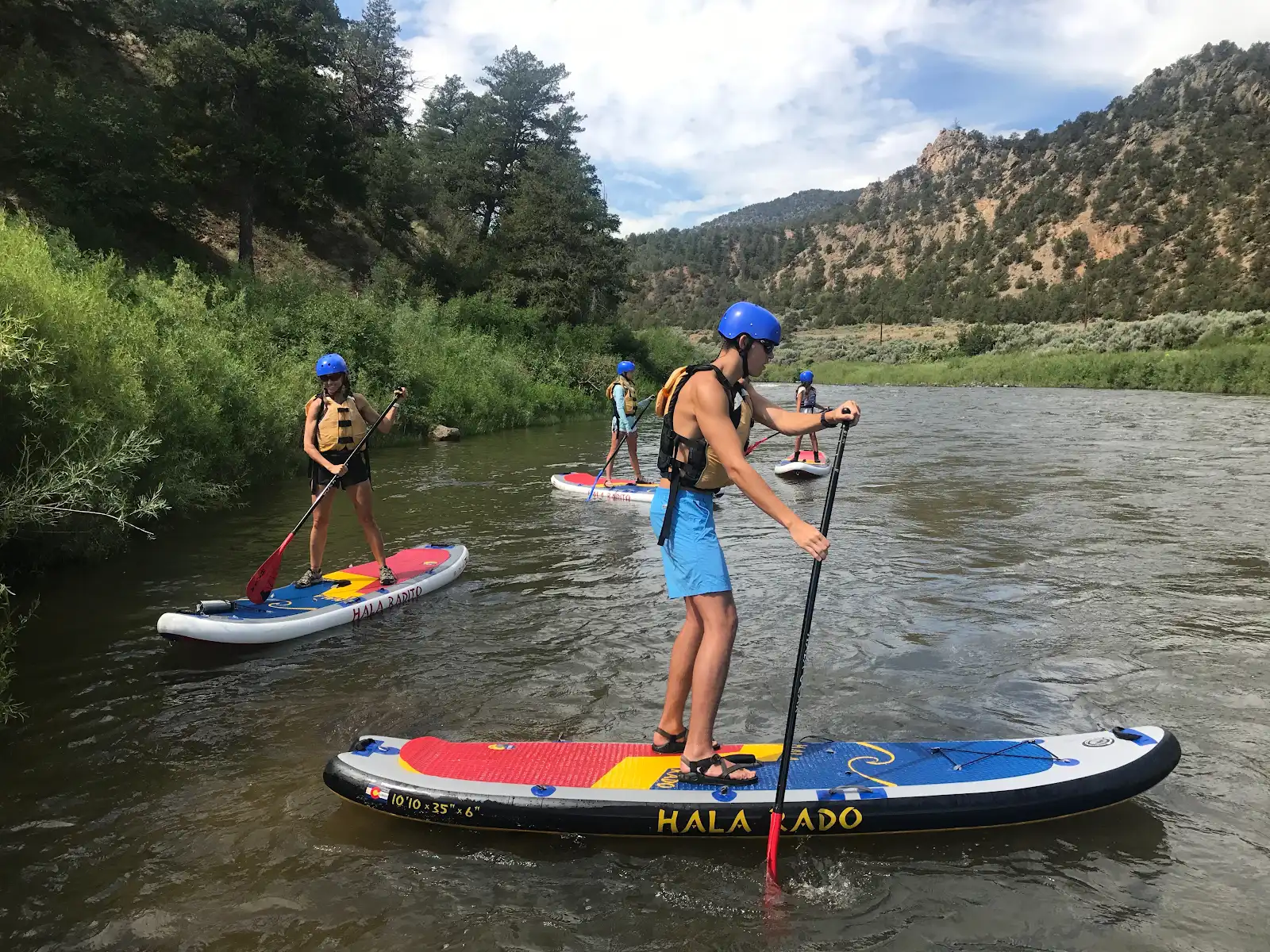
SUP and kayak rentals give people more room to explore at their own speed. Friends can still paddle together, but each person steers a separate craft. This freedom suits groups with mixed goals, such as one person seeking a workout while another takes an easy cruise.
Which Lake Dillon craft fits your group?
Choose an outrigger canoe Colorado experience when the group wants a guide, a shared boat, and a team challenge. It can also suit beginners who prefer to learn with others instead of managing a craft alone. Ask about current conditions and group fit before booking.
Choose a SUP when standing balance is part of the fun and each paddler wants full control. Pick a kayak when a seated position feels more natural. No option is right for every group, so weigh comfort, guide support, and the kind of time you want to share.
Who should book a Lake Dillon outrigger canoe trip?
An outrigger canoe Colorado trip at Lake Dillon suits people who want shared paddling, mountain views, and a guide nearby. It can work well for families, beginners, groups, and experienced water sports fans. The right fit depends on each guest’s comfort, goals, and the day’s conditions.
Families and first-time paddlers
Families often want an activity that lets them explore together instead of splitting into separate boats. An outrigger canoe supports a shared pace, so the group can listen, paddle, and take in the lake as one crew. Parents should still ask about current age rules and trip requirements before booking.
The boat’s side float, called an ama, adds lateral stability, according to research from the University of Hawaii. This design may feel less exposed than standing on a paddleboard. It does not remove the normal risks of open water or changing weather.
First-time paddlers can focus on learning a steady stroke without planning their own route. Since the experience is guided, guests can ask questions and get help with basic paddling skills. Anyone concerned about mobility or comfort should contact the outfitter before booking.
Groups and mountain visitors
Outrigger canoeing is built around a multi-person paddling rhythm, so it makes sense for families, friends, and other small groups. The shared effort gives everyone a role while leaving space to notice the landscape. Groups seeking guided mountain lake and river adventures can compare formats before choosing an outing.
Visitors who want mountain scenery with guide support may also prefer this trip over a self-led rental. It offers a more supported way to get on Lake Dillon while still asking guests to take part. The lake adds broad mountain views, though weather and water conditions can shift.
This format can also suit groups with mixed paddling experience. New paddlers can learn the basics, while seasoned guests can work on timing and teamwork. SUP Colorado connects that group experience with a broader ethic of low-impact recreation; the Leave No Trace Seven Principles offer a useful framework for planning ahead, respecting other visitors, and protecting mountain water settings. Before booking, the group should discuss comfort levels and ask what to bring for the day’s forecast.
Specialty water sports enthusiasts
Specialty water sports enthusiasts may book an outrigger trip to try a different paddling style. They can study how the crew’s timing, hull, and ama work together on the water. That team-based feel differs from the solo balance used on a paddleboard.
An outrigger trip may not fit guests who want a fully independent rental or a solo workout. Those travelers can review alternative water experiences like outrigger canoeing alongside kayak and SUP choices. Current conditions, group needs, and guide advice should shape the final choice.
How to prepare for your first outrigger canoe outing
Before you book
A first outrigger canoe Colorado outing starts with choosing a guided trip that fits your group. Check the current booking page for open dates and trip details. Do not rely on an old schedule, since water and weather can affect operations.
Outrigger canoeing is a team activity, not a solo rental. If you are still choosing a craft, compare alternative water experiences like outrigger canoeing with kayaks and paddleboards. Tell the outfitter about your group’s experience and any questions before booking.
Plan to learn rather than arrive as an expert. A guided outing gives the crew time to hear instructions and practice shared timing. Arriving early also leaves time to find the meeting place and get settled without rushing.
- Review the trip details. Confirm the meeting point, current availability, and any guidance on age or ability. Ask the outfitter when a detail is unclear.
- Dress for the setting. Choose clothes that can get wet and follow the outfitter’s current packing guidance. Bring only the personal items requested for the outing.
- Listen to the guide. Expect instruction before paddling. Pay close attention to seating, paddle strokes, team timing, and the guide’s safety directions.
- Paddle with the crew. Focus on matching the shared rhythm instead of using maximum force. Clear timing helps the canoe move as one craft.
- Respect changing conditions. Check the forecast, but follow the guide’s call at the water. Be ready for plans to change when conditions require it.
What to expect on the water
Your guide will explain how the crew works together before the canoe gets underway. Each paddler contributes to a shared pace. That makes listening and steady timing more useful than trying to be the strongest person aboard.
The canoe’s side float, called an ama, adds lateral stability. Research from the University of Hawaii describes the ama as a buoyant platform that resists capsizing. Stability does not remove risk, so keep following the guide throughout the trip.
Expect the crew’s timing to improve with practice. A missed stroke is not a reason to panic or speed up. Reset your grip, watch the paddlers near you, and follow the guide’s next cue.
Water and weather awareness
Colorado mountain water deserves respect, even on a clear morning. Weather, wind, and water conditions can shift, and the guide may adjust the outing. Follow all instructions and avoid assuming that a stable canoe makes every condition suitable.
Before you leave home, check current details through the Outrigger Canoes page. Use the listed contact or booking option if your group has questions. A simple check helps you arrive ready to learn, paddle as a team, and adapt.
Keep your plans flexible on the day of the outing. The team may delay, change, or stop a trip when conditions call for it. Treat that choice as part of responsible paddling on mountain water.
How SUP Colorado approaches culture and stewardship
Respect for Polynesian roots
Outrigger canoeing has Polynesian roots, and SUP Colorado treats that history as the starting point, not a theme to borrow. The company does not claim ownership of the tradition. Instead, guides frame each Colorado outing with respect for the people and communities that shaped this form of paddling.
That approach matters because an outrigger is more than a canoe with an added float. The ama reflects a design shaped by life on the water. University of Hawaii research explains how the ama improves lateral stability. This useful detail explains the craft’s form without reducing its meaning to gear.
Guided context, not imitation
For an outrigger canoe Colorado experience, respectful guidance changes the trip. Guests learn why coordinated strokes, shared timing, and attention to the crew matter. The goal is not to imitate ceremony or present a simplified version of Polynesian culture. It is to paddle with care while giving clear credit to the tradition’s origins.
Respect also means being honest about the limits of a short guided experience. A trip can offer useful context, but it cannot stand in for the depth and range of Polynesian cultures. Guides can invite curiosity while keeping that boundary clear.
This context also separates the outing from a self-guided rental. A guide can answer questions, set expectations, and keep the group focused on teamwork. Readers comparing Lake Dillon rentals can also explore alternative water experiences like outrigger canoeing before choosing a format.
Stewardship on Colorado water
Cultural respect and environmental care share the same basic habit: treat the place and practice as something received, not owned. SUP Colorado connects its guided context with an environmental stewardship ethic. On Lake Dillon, the practical aim is simple. Enjoy the water without treating it as a disposable backdrop.
Stewardship also shapes how the story gets told. The company can share what guests are learning without speaking for Polynesian communities or turning a living tradition into a prop. That balance gives the outing a clear purpose. Paddle as a crew, credit the source, and care for the Colorado setting.
Frequently Asked Questions
What is the point of an outrigger canoe?
An outrigger canoe has a side float, called an ama, that adds lateral stability while the main hull moves efficiently through the water. The design supports coordinated group paddling and makes a guided outing feel different from a solo rental. On Lake Dillon, the experience also introduces paddlers to outrigger traditions while they explore a high-altitude mountain setting.
How stable are outrigger canoes compared to kayaks?
Outrigger canoes generally offer strong side-to-side stability because the ama resists the forces that can roll the main hull. Research from the University of Hawaii describes the outrigger as a buoyant platform that improves resistance to capsizing. Stability still depends on water conditions, paddler movement, and following the guide’s instructions.
Can beginners try outrigger canoeing in Colorado?
Yes, beginners can try a guided outrigger canoe experience in Colorado without prior outrigger training. The stable ama and seated paddling position may feel less intimidating than balancing on a paddleboard. A guide can explain paddle technique, group timing, and safety expectations before launch. Guests should still confirm age, mobility, weather, and participation requirements with the outfitter before booking.
How does outrigger canoeing differ from paddleboarding?
Outrigger canoeing is a seated, team-based activity where paddlers coordinate their strokes in one vessel. Paddleboarding is usually an individual activity that requires standing balance and independent steering. A guided Lake Dillon outrigger experience also includes instruction and cultural context. A paddleboard rental gives the renter more freedom to choose a personal route and pace within local rules.
How much does an outrigger canoe experience cost in Colorado?
Outrigger canoe pricing in Colorado can vary by date, group size, trip format, and included equipment. Because rates and availability can change, check the current booking details rather than relying on an older quoted price. The Outrigger Canoes page is a useful starting point for current experience and contact information.
Ready to Paddle Lake Dillon in an Outrigger Canoe?
Waiting until your trip begins can leave your group with less time to choose the Lake Dillon activity that fits everyone’s comfort and goals. Starting now gives you room to compare a guided outrigger experience with independent paddleboard or kayak rentals before your Colorado itinerary becomes crowded. An early choice also lets everyone discuss whether shared paddling, guide support, and a planned group outing match the day they want on the water.
Ready to put Lake Dillon outrigger canoeing on your trip plan? Make the decision while your group still has time to align the outing with the rest of your visit.
Book your Lake Dillon outrigger canoe experience today
Share the plan with your group before other trip details take priority.