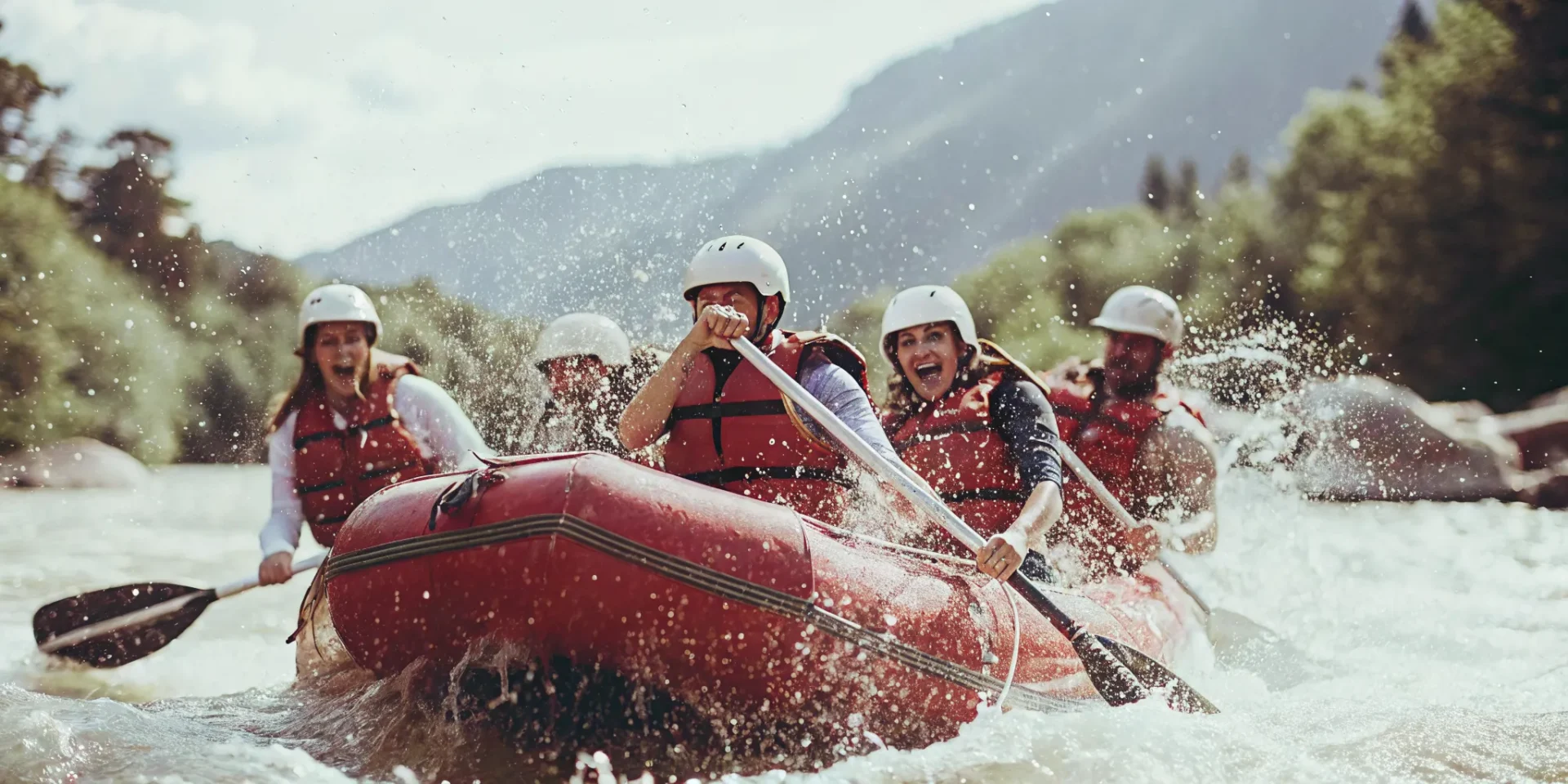
White Water Rafting: First-Timer’s Colorado River Guide
08/07/26
Your first river trip should feel exciting, not mysterious. At State Bridge, the Upper Colorado River offers a scenic setting for learning how guided rafting works, from the pre-launch briefing to reading the water with your crew.
White water rafting is a guided river adventure where your crew follows trained instruction, wears properly fitted safety equipment, and works together through changing currents. For first-timers, the right trip depends on your comfort level, physical readiness, river difficulty, and the conditions that day.
You do not need to arrive as an experienced paddler. You do need to understand what the trip involves, choose an outing that matches your group, and prepare for an active day outdoors. The planning starts with practical questions about trip length, expectations, and how the State Bridge experience fits your adventure goals.
Book your white water rafting trip on the Colorado River today. Choose the outing that matches your group and lock in your spot while season dates are still available.
Planning Your First White Water Rafting Trip
Your first trip should feel exciting, manageable, and grounded in good preparation. The State Bridge section of the Upper Colorado River offers experiences suited to beginners and experienced paddlers alike. Choose an outing that matches your comfort level, then arrive ready to participate.
Choose an Experience That Matches Your Limits
White water rafting is physically active, even when a guide handles the route and directs the crew. The CDC recommends being physically ready and knowing your personal limits before an adventure activity. Review the trip description honestly, and speak with the outfitter if you are unsure whether the experience fits your group.
Share medical conditions or health concerns before the trip. This gives the guides useful information for preparing appropriately. It also creates an opportunity to discuss questions before you reach the river, rather than during a busy launch.
Pack for Changing Conditions
Wear comfortable clothing that dries quickly and stays practical when wet. Avoid cotton, which can remain damp and uncomfortable. Choose layers suited to the expected water and air temperatures, and bring footwear that feels secure during an active outing.
Hydration and nutrition matter as much as clothing. Drink water throughout the day and eat balanced meals before the trip. These habits help you maintain the energy needed for paddling and reduce avoidable exhaustion. Follow any instructions from your guide about what to bring or consume.
Confirm Details Before You Arrive
Review meeting information, trip requirements, and the booking details ahead of time. Conditions can change on an active river, so keep your plans flexible and listen carefully to the guide’s briefing. A professional guide can explain the day’s expectations and help first-time guests settle into the experience.
Reserve your white water rafting trip on the Colorado River location page. Select an experience that feels appropriate for your group, and contact the outfitter with health or preparation questions before your arrival.
How Do White Water Rafting Class Ratings Work?
The International Scale of River Difficulty groups whitewater into six classes. Class I is easiest, while Class VI is extremely dangerous. Ratings describe river features, not a promise about every trip.
| Class | Difficulty | Typical water type | Who it suits |
|---|---|---|---|
| Class I | Easy | Calm, smooth, slow-moving water | Beginners and guests seeking a relaxed float |
| Class II | Moderate | Small waves and easy-to-navigate obstacles | Guests with basic paddling skills who want a manageable challenge |
| Class III | More technical | Big waves and sections requiring active paddling | Guests prepared for more physical effort and technical maneuvers |
| Class IV | More technical | Big waves and sections requiring active paddling | Guests prepared for more physical effort and technical maneuvers |
Class I water can help first-time rafters become comfortable with paddling. Class II adds small waves and straightforward obstacles.
Class III and IV rapids require more active participation. They can involve technical maneuvers, bigger waves, and greater physical exertion.
Conditions can change with water flow and weather. A river rating should guide your planning, while your outfitter provides the current trip information.
What Should You Expect on a Guided Rafting Trip?
A guided trip gives you structure from the first meeting through the final stretch of river. You do not need to arrive as an experienced paddler. Your guide explains how the raft moves, how the group works together, and what to do when conditions change.
Before the Raft Enters the Water
State Bridge serves as a key launch hub for trips on the Upper Colorado River. It provides access to river experiences suited to different comfort levels, including family-friendly floats and gentle whitewater sections.
Before launch, every guided trip includes a comprehensive safety briefing. Guides teach basic paddling techniques and explain emergency procedures. This preparation gives everyone a shared plan before the raft leaves shore.
Expect practical instructions rather than a long classroom lecture. You may learn how to hold your paddle, respond to commands, and coordinate with the other people in the raft. Ask questions if a direction is unclear. A good guide wants every guest to understand the plan.
What the River Experience Feels Like
Once underway, the guide manages the route and helps the group respond to the river. Guests contribute through steady paddling and careful attention to instructions. The pace can shift as the river moves through calmer water and gentle rapids.
The State Bridge run is a popular, family-friendly choice. It combines gentle whitewater with scenic views, making it a comfortable introduction for groups and first-time rafters. Conditions can vary because rafting takes place in a dynamic outdoor environment. Weather and water flow may change during the experience.
Look beyond the next wave, too. Colorado river trips showcase scenery that defines the mountain setting. Rock formations, open landscapes, and the river corridor create a distinctly Colorado experience. The scenery adds depth to the adventure without taking attention away from the guide’s instructions.
Planning Your Booking
Review the location details before choosing your trip. The online booking system provides real-time availability for rafting and paddling experiences at each location.
Book your rafting adventure through the Colorado River location page. Come prepared to listen, participate, and stay flexible. Guided rafting is active, but the experience is designed to help guests build confidence while enjoying the river. Your guide provides the expertise. Your role is to stay engaged and follow the plan.
Safety on the Colorado River: Gear and Preparation
A well-prepared trip lets you focus on the river, your group, and the mountain scenery. Guided rafting combines practical equipment checks with clear instructions before launch.
Use the right gear and listen to your guide
Protective equipment matters during any water-based adventure. The CDC recommends appropriate gear, including helmets and life jackets, for water activities. Read the CDC’s adventure travel guidance for broader preparation advice.
Every guest should wear a properly fitted personal flotation device, or PFD, whenever they are on the water. A PFD should feel secure without restricting comfortable movement. Your guide checks equipment before launch, including the fit and condition of your helmet and PFD.
Pay close attention during the safety briefing. Guides explain paddling techniques, emergency procedures, and the responses your group may need on the river. Follow your guide’s instructions throughout the trip, especially when water conditions change.
Prepare for a remote outdoor environment
River trips take place in dynamic natural environments. Water flow and conditions can vary with weather, so expect the river to feel different from one day to the next. This is part of the experience, not a reason to approach it with fear.
Adventure travel can also reach remote areas where medical care is limited and communication may be unreliable. Know your physical limits, and tell the outfitter about relevant medical conditions or health concerns before departure.
If you take prescription medicine, pack enough for the full trip plus extra in case of travel delays. Travelers should also check whether their medical travel insurance covers adventure activities. Some policies exclude specific activities, so review the terms before participating.
Wear comfortable clothing that dries quickly and stays suitable when wet. Avoid cotton, and choose layers that match the expected air and water temperatures. Bring only what your guide or outfitter recommends for the specific trip.
Complete the final steps before launch
Read the waiver carefully and sign it before the adventure. The waiver explains inherent river risks and confirms that you understand the trip’s expectations. You can also review common questions about rafting safety before arriving.
Preparation does not remove the river’s natural uncertainty. It gives you the equipment, information, and support needed to respond calmly while enjoying a memorable Colorado River experience.
When Is the Best Time to Raft in Colorado?
Colorado’s rafting season follows the rhythm of snowmelt, weather, and managed river releases. Conditions can change noticeably from one part of the season to the next.
River flows change throughout the season, with spring and early summer often bringing the highest water levels and most exciting whitewater. Those higher flows can create a faster, more dynamic experience for guests seeking an energetic day on the river.
What changes during the season?
As snowmelt moves through the watershed, water levels and current strength respond accordingly. Early-season trips may feature stronger flows, while later conditions can offer a different pace and character.
The Upper Colorado River also benefits from dam-controlled flows. That management helps support a practical rafting season roughly from late May through early September, although conditions still depend on current releases, weather, and the river itself.
These seasonal patterns are useful for planning, but they are not a substitute for current information. River conditions can change after rain, temperature shifts, operational decisions, or other events. A trip that felt appropriate during one week may require different preparation later in the season.
Check conditions before you book
Before choosing a trip, review the latest flow information and consider how the current river may match your group’s experience, comfort, and goals. When in doubt, ask the outfitter what conditions mean for the planned experience.
Make checking current river flows before your trip part of your planning routine. It gives you a better understanding of the river’s recent behavior and helps you arrive prepared for changing conditions.
Weather and water levels remain part of the adventure. A responsible plan leaves room for updated guidance, appropriate clothing, and decisions based on the river you will actually encounter that day.
Why Raft with Stand Up Paddle Colorado
Stand Up Paddle Colorado brings a broad paddle-sports perspective to guided rafting on the Upper Colorado River. The State Bridge area offers scenic access to a flagship Colorado River experience, with guides helping guests stay engaged, prepared, and connected to the water.
Safety comes first throughout the experience. The outfitter prioritizes safety-first operations and uses premium equipment to support a safe, memorable adventure. Guides also provide practical instruction that helps guests understand their role in the raft and respond with confidence.
Expert guidance matters when the river feels unfamiliar. Stand Up Paddle Colorado’s certified instructors provide instruction designed to build skills and confidence across experience levels. They help turn a first trip into an active learning experience, while keeping attention on guide directions and changing river conditions.
The wider paddle portfolio adds useful perspective. Kayaks are the company’s highest-volume rental category, giving the team deep experience helping guests enjoy calm lakes and gentler river sections. You can also compare rafting with Lake Dillon paddling options or explore Nottingham Lake at Avon/Vail.
- Experienced guides who explain techniques and expectations clearly.
- Premium equipment selected for a prepared, comfortable experience.
- Scenic Upper Colorado River access from the State Bridge area.
- A broader water-sports team that understands different ways to explore Colorado.
For guests seeking a guided river adventure with thoughtful preparation and mountain scenery, State Bridge is a strong place to begin. When you are ready to go, check current availability for your rafting trip and pick the date that works for your group.
Reserve your spot on the Colorado River today and start planning the details that make a first trip feel easy.
Frequently Asked Questions
Do I need previous experience to go rafting?
No. The Upper Colorado River near State Bridge includes sections suited to different skill levels, including beginner-friendly options. Your guides provide a safety briefing, explain paddling techniques, and review emergency procedures before launch. Follow their instructions throughout the trip, and communicate honestly about your comfort level and physical limits.
What should I wear for a rafting trip?
Choose comfortable clothing that dries quickly and stays useful when wet. Avoid cotton, which can become cold and heavy. Wear secure footwear that will stay on your feet, and dress for both water and air temperatures. Bring any personal items your outfitter specifically recommends, while keeping valuables to a minimum.
How are whitewater rapids rated?
Rapids are classified from Class I through Class VI, with difficulty and risk increasing across the scale. Class I is generally smooth and suitable for a relaxed float, while Class II includes small waves and basic obstacles. Class III and IV require more active paddling, technical maneuvering, and skill. Your trip selection should match your experience and readiness.
What safety equipment is used during a guided trip?
Every guest wears a properly fitted personal flotation device while on the water. Guides check the fit of each PFD and helmet, then review the procedures needed for the planned section. River conditions can change with weather and flow, so listen carefully to your guide and disclose medical concerns before departure.
When is the best time to raft in Colorado?
River conditions change throughout the season. Spring and early summer often bring higher water levels from snowmelt and more exciting whitewater, while later conditions may feel different. Check current flows and confirm trip details before you go, because weather and river conditions can affect the experience.
Ready to Plan Your Rafting Adventure
You already have the knowledge you need to step onto your first raft with confidence. Now it is time to pick a date and lock in your trip while the season still has room. Stand Up Paddle Colorado runs guided trips on the Upper Colorado River out of State Bridge, with expert guides, safety-first operations, and premium equipment on every launch. Check real-time availability and reserve your spot for your group, your family, or your crew of first-timers.
Book your white water rafting trip on the Colorado River today. The most memorable summer days on the river start with a simple booking.