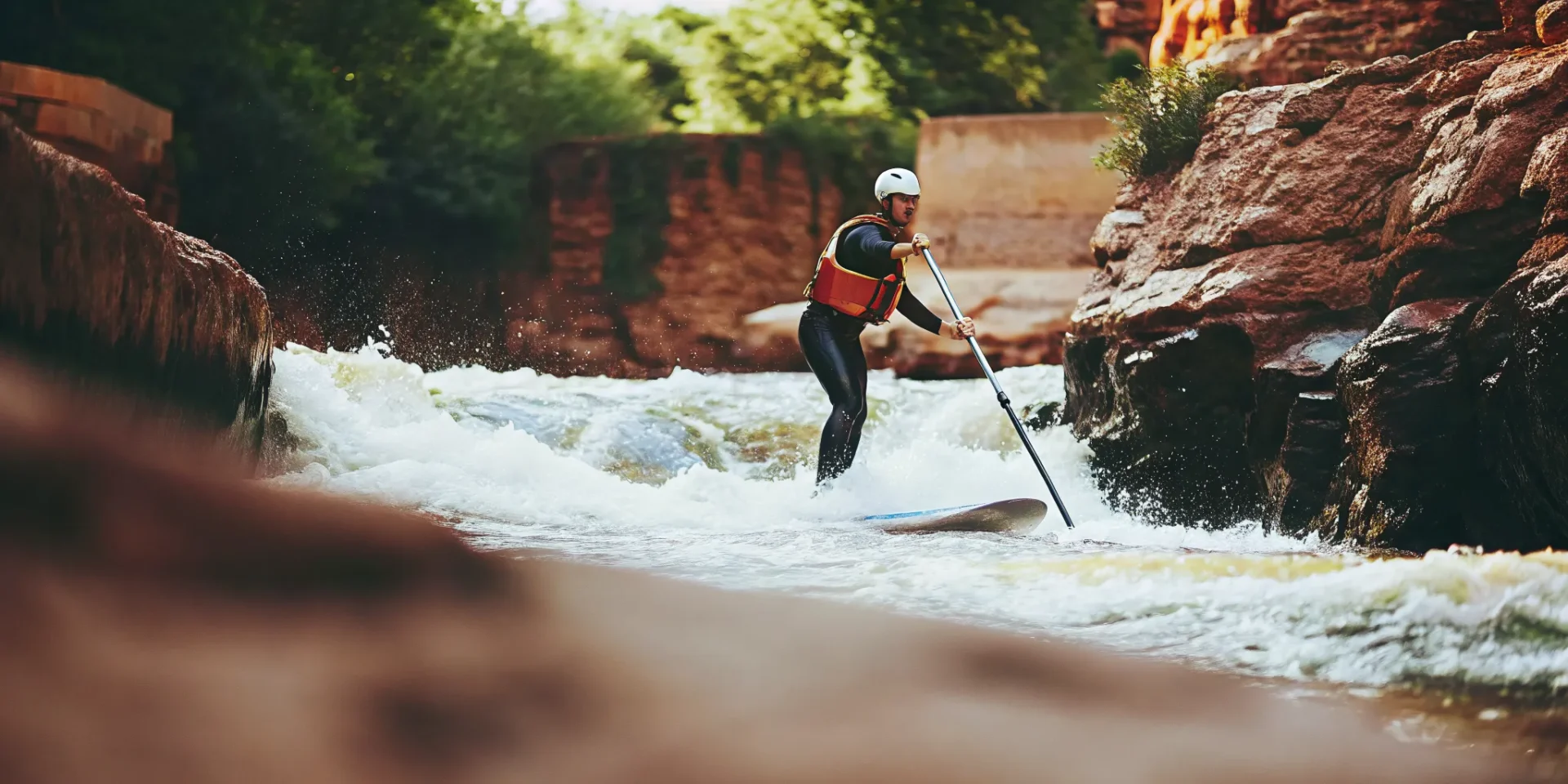
. Navigating Class 2 rapids on a paddleboard requires more than just balance and a simple paddle. The Colorado River demands respect. You need the right gear and a solid plan to handle the moving water safely.
Whitewater SUP Colorado on the Colorado River is a self-guided adventure for skilled paddlers ready to navigate Class 2 rapids with professional gear and safety rules. According to the National Park Service, you must wear a fitted helmet and a USCG-approved Type III life jacket to lower the risks of falling into rough water. Every paddler must pass a skills test and a safety talk to show they have the technical control and swimming ability needed for the rocky riverbeds near State Bridge. This careful planning, mixed with gear like sturdy shoes and a thick wetsuit, makes a hard river run a safe and life-changing outdoor trip for every guest.
You might wonder how river paddling differs from a lake trip or why this stretch of water is so special. Understanding What is Whitewater SUP and Why Is the Colorado River Perfect for It? is the essential first step in your journey. The path begins with
What is Whitewater SUP and Why Is the Colorado River Perfect for It?
Whitewater stand-up paddleboarding, or SUP, takes the joy of lake paddling and adds the thrill of moving water. If you want to try whitewater sup colorado, you should know that it is not like a pond. Instead of flat water, you stand on a board and steer through river flows. This sport blends balance with quick choices as you read the water and move with the waves.
Knowing Whitewater Paddleboarding
Paddling in moving water is not the same as a lake. The flow moves you as much as you move the board. You need to know how to steer through currents and cross eddy lines. It is vital to have a frank knowledge of your own skills before you start. You should not try rapids that are beyond your level to keep your trip safe. This helps you avoid risks and enjoy the rush.
Balance is key when you hit the rapids. Whitewater boards are often wider and more tough than lake boards. They are built to bounce off rocks and stay upright in choppy waves. In this sport, falling is part of the fun. You will likely spend time in the water, so being a strong swimmer is a big help. This active style of paddling makes every mile feel like a new trip.
Why The Colorado River Leads The Way
The Colorado River near State Bridge is one of the best spots for this sport. It offers pretty views and fun water. The river flows through a canyon that shows off the best of the West. While some rivers are too wild or too slow, this section hits the sweet spot. It provides enough move to be fun but stays safe for those with the right skills.
Being near State Bridge means you are close to good entry and exit points. This part of the river is known for its steady flow and clear paths. It is a top choice for locals and visitors alike. Whether you want a short run or a full day out, this water delivers. The mix of natural beauty and steady rapids makes it a standout choice for any paddler.
The Ideal Spot For Skilled Paddlers
This section of the Colorado River is perfect because it has Class 2 rapids. These rapids offer waves and small drops that are fun but not too scary. Because of this, self-guided whitewater SUP trips here are best for intermediate to advanced paddlers. You will need to know how to read the river to find the best line through the waves. Class 2 water is the perfect place to grow your skills.
Safety is always the top goal. The river moves fast, and flows can change. Even on a Class 2 run, you must stay alert. The Colorado River spot features Class 2 rapids that reward good skill. You get the thrill of the whitewater in a setting built for success.
Essential Gear: Required and Recommended Equipment for Whitewater SUP Colorado
Safe river paddling starts with the right gear. When you take on the Colorado River at State Bridge, you need tools built for moving water. Standard flatwater setups are not enough for the force of Class 2 rapids. Every paddler must focus on gear that meets strict river safety rules.
Life Jackets and Helmets
A life jacket is your most important piece of gear. You must wear a USCG-approved Type III personal flotation device (PFD) at all times on the water. This vest must be in good shape with no tears or broken buckles. It should fit snug so it does not ride up during a swim. Note that general boating or ski vests are prohibited for whitewater use. These vests do not have the flotation or strength needed for river hazards.
A helmet is also a primary safety need for self-guided whitewater SUP. You should wear a solid, correctly-fitted helmet because falls into the water are likely in rapids. A good river helmet protects your head from rocks. Make sure your helmet is made for water sports and stays in place when you move your head.
Shoes and Cold Water Protection
The riverbed in Colorado is often rocky and uneven. You need sturdy shoes that stay on your feet and offer good grip. These shoes protect you if you have to walk along the riverbank. Flip-flops or thin sandals will not work well in these conditions. Look for water shoes or old sneakers that provide solid support for your feet.
Colorado river water remains cold even in the summer. To stay safe, you should dress for the water temperature, not the air. We recommend a wetsuit to help prevent hypothermia if you spend time in the water. Cold water can drain your energy fast. Proper layers keep you warm so you can focus on your line through the rapids.
Boards and Leash Safety
Whitewater boards are wider and more stable than touring boards. They often have flexible fins that can handle hits from rocks. If you use a leash, it must be a quick-release model that stays on your PFD. Never use a standard ankle leash in moving water. It can get caught and hold you underwater. A quick-release system lets you break free from the board in an emergency.
Preparing for Class 2 Rapids Near State Bridge: Key Preparation Protocols
Safe river travel starts long before you hit the water. At Stand Up Paddle Colorado, we take safety seriously to ensure every trip is a success. You must follow a strict set of rules to handle the Class 2 rapids near State Bridge. These steps help you keep control and stay safe in moving water. Our team gives you the gear and the help you need, but your own skills are what matter most.
Master Your Skills Before the Launch
Each paddler must show they have the skills to handle the river. We do not take anyone at their word when it comes to river safety. You will need to show our team that you can steer and stop your board well. This self-guided whitewater SUP trip needs a high level of focus and skill. Being able to reach the shore fast is a key skill for any river athlete.
-
Go to the safety talk. Our staff will show you the river map. They will point out the rapids and risks you will see on the water.
-
Show your skills. You must show that you can balance, paddle straight, and turn your board. This happens in a safe spot before you start your trip.
-
Check your gear. Make sure your life jacket is snug and all buckles are shut. Your helmet must be level on your head with the strap tight.
-
Go over the rescue plan. Know how to swim in moving water. You should also know how to get back on your board if you fall in a rapid.
-
Set your group plan. Do not boat alone on the river. Stay with your group and keep space between boards to avoid hits in the rapids.
Stay in Control at All Times
Control is the key to safety on the river. You should never boat out of control or try moves that are too hard for you. Your goal is to be able to stop or reach the shore before you hit any danger. The National Park Service says that being able to stop or reach the bank is a top safety rule for all river users. This way of thinking keeps you and your group safe all day.
Good prep means you can enjoy the thrill of the water with less risk. By following these steps, you show respect for the river and the sport. Our team is here to help you get ready for a great day on the Colorado River. If you have questions about your gear or the path, ask us during your talk.
Safety and Self-Rescue Skills for Colorado River Paddling
Learning safety skills is the key part of self-guided whitewater SUP on the Colorado River. You must know how to handle yourself if you fall into moving water. This starts with being a good swimmer who can stay calm underwater. High-level safety requires more than just a life jacket. You need the strength to swim through rapids and reach a shore or your board without help.
The Power of Group Paddling
You should never paddle a river alone. River safety relies on a group that can find hazards and help in a pinch. The best way is to have a group of at least three people or two craft. This setup ensures that if one person gets in trouble, others are there to help. While groups offer support, each paddler is still responsible for their own safety and choices on the water.
Self-Rescue and Board Recovery
You must practice how to get back on your board in moving water before you hit the rapids. If your board flips, you need to know how to move away from it to avoid being pinned against rocks. Practice getting free from a flipped board in a safe spot first. Falling is a part of the sport, but a quick recovery keeps a small swim from turning into a big problem. This skill is vital for anyone trying whitewater sup colorado for the first time.
Recognizing Cold Water Risks
Colorado rivers are cold even in the summer. You must be able to find the signs of hypothermia and know how to treat it. This includes knowing how to get a wet person dry and warm fast. Proper training in first aid and CPR is a great idea for all river users. Cold water can drain your energy fast, so quick action is needed to stay safe. Knowing whitewater rafting and SUP safety helps you protect everyone in your group.
Emergency Tools to Carry
Every paddler needs a set of basic tools for odd events. You should always carry a whistle and a knife on your life jacket where you can reach them. A throw rope is also a key tool for helping a swimmer from a far spot. These items help you call for help or cut yourself free if you get stuck. Sturdy shoes are also needed to protect your feet if you have to walk along a rocky riverbed after a swim.
When to Go: Timing the Best Colorado Whitewater River Flows
Planning a self-guided whitewater SUP trip needs a good look at the time of year. The main window for river trips in Colorado runs from May through September. While the air stays warm, river flows change fast based on snowmelt and rain. You must pick a time that matches your skill level on the water.
Understanding Peak Runoff
Early summer is the most intense time for whitewater SUP Colorado. In May and June, melting mountain snow fills the river. This creates high water levels and fast currents. These flows are best for experts who can handle cold, rushing water. If you choose this time, you must watch daily flow reports from a government water site to stay safe.
Late Summer Conditions
As summer moves into July and August, the water levels often drop. This creates a more technical ride through the rocks. Lower flows are usually better for intermediate paddlers who want to practice their lines without a heavy push. By September, the river is often at its lowest point. Some spots may be too shallow for a board with long fins. Always check the flow before you head out to the river.
| Time Frame. | Water Level. | Flow Type. | Skill Level. |
|---|---|---|---|
| May to June. | High. | Peak Runoff. | Expert. |
| July to August. | Medium. | Steady Flow. | Intermediate. |
| September. | Low. | Technical. | Advanced Intermediate. |
Flexibility and Risk
River safety depends on how well you can adapt. Rules for river travel are helpful, but they are only basic safety guidelines for paddlers. Real-time changes like heavy rain or high heat can change the river in a single day. You should never rely only on a date. Check the rocks, the current, and your own skill before you get on your board.
Why Choose Stand Up Paddle Colorado for Your River Adventure?
Picking the right team for your river trip is the first step to a great day on the water. With 16 years of work in the field, Stand Up Paddle Colorado has the skill to lead you safely through the rapids. We are watermen and waterwomen who live for the river and know how to help you enjoy it. Our team focuses on giving you memorable, life-changing guest experiences while keeping you safe at every turn.
Safety Standards and Expert Staff
We do not take safety lightly on the Colorado River. Every trip starts with a clear talk and a test of your skills to make sure you are ready for the water. As a premier outfitter, we use a safety-first way to manage our gear and our guests. The National Park Service notes that being a competent swimmer is vital for anyone who wants to try river sports. We check that every paddler can handle themselves before they head out to the Class 2 rapids near State Bridge.
A Firm Stance on River Safety
A fun day on the river needs a clear head. We have a strict rule that alcohol is not allowed on our gear. This zero-alcohol policy is in place to keep everyone safe and focused on the path ahead. Mixing drinks with whitewater is a risk that we do not take. By keeping the gear for clean, sober fun, we ensure that every guest can stay sharp while they navigate the waves and rocks.
Support for the Whole Family
We know that planning a trip for a group can be a lot of work. That is why we provide help for parents who want to bring their kids along. If you are looking for a way to get the kids on the water, check out our family rafting Colorado River guide for tips and info. We want to make sure your river adventure is the best part of your summer, whether you are on a board or in a raft.
Frequently Asked Questions
What gear do I need for whitewater SUP in Colorado?
You must wear a life jacket that is approved by the Coast Guard. You also need a helmet that fits well to stay safe on the river. It is smart to wear a wetsuit and tough shoes to protect you from cold water and sharp rocks. As stated in the Stand Up Paddle Colorado gear list, you should not use simple fishing or ski vests. These do not give you enough safety for fast river water.
How dangerous is whitewater stand up paddleboarding on the river?
Rivers have risks like fast water and rocks, so you must be a strong swimmer and know how to rescue yourself. It is safer to paddle in a group of at least three people. Always check the water levels and your own skills before you start. The National Park Service says you should not try rapids that are too hard for your level. Safety gear like helmets and life jackets help keep you safe from harm during a fall.
When is the best time for whitewater SUP in Colorado?
The prime time for river paddling in the state runs from May through September. During these months, the snow melts and fills the rivers with enough water for sports. The exact timing depends on the flow of each river and the weather. As stated by Stand Up Paddle Colorado, you should check the river flows before you go. This helps you find the best water levels for your skill level and gear.
Can I drink alcohol while using whitewater SUP gear?
No, you may not drink alcohol while using gear from our team. Safety is the top goal for every river trip. Drinking alcohol makes it harder to stay in control and can lead to accidents. As stated by Stand Up Paddle Colorado, the use of alcohol is not allowed on any company gear. This rule helps keep you and others safe while you enjoy the river.
Do I need to be an expert for whitewater SUP in Colorado?
No, you do not need to be an expert, but you should have some experience. Most river trips are best for those with middle level skills. You must also be able to show that you can handle your board before you start. As stated by Stand Up Paddle Colorado, all paddlers must pass a skills test. This ensures you are ready for the Class 2 rapids you will find on the river.
Ready to Plan Your Colorado River Trip?
The river flow changes every day, and missing the peak water of the season is a real risk if you do not start your plan now. Waiting too long means you lose the chance to build the skills you need for Class 2 rapids and get your team ready for the flow. Starting today gives you the best lead time to check your gear so you do not find yourself at the shore without the right safety tools. A late start could mean missing the best weather, while taking action today keeps you ahead of the crowds and on track for a safe trip. Do not let this summer pass by without getting on the water, because your next river trip starts with the work you do right now.
Ready to book? Visit our Colorado River page to book your self-guided Colorado River SUP experience.