Paddle Boarding With Dogs Colorado: Lake Dillon Guide
Sharing a paddleboard with your dog can turn a Lake Dillon outing into an unforgettable Colorado adventure, but a safe trip starts long before launch. Use this guide to assess your dog, introduce the board, pack essential gear, and respond responsibly to cold alpine water and changing weather.
Check Dillon paddleboard rental availability
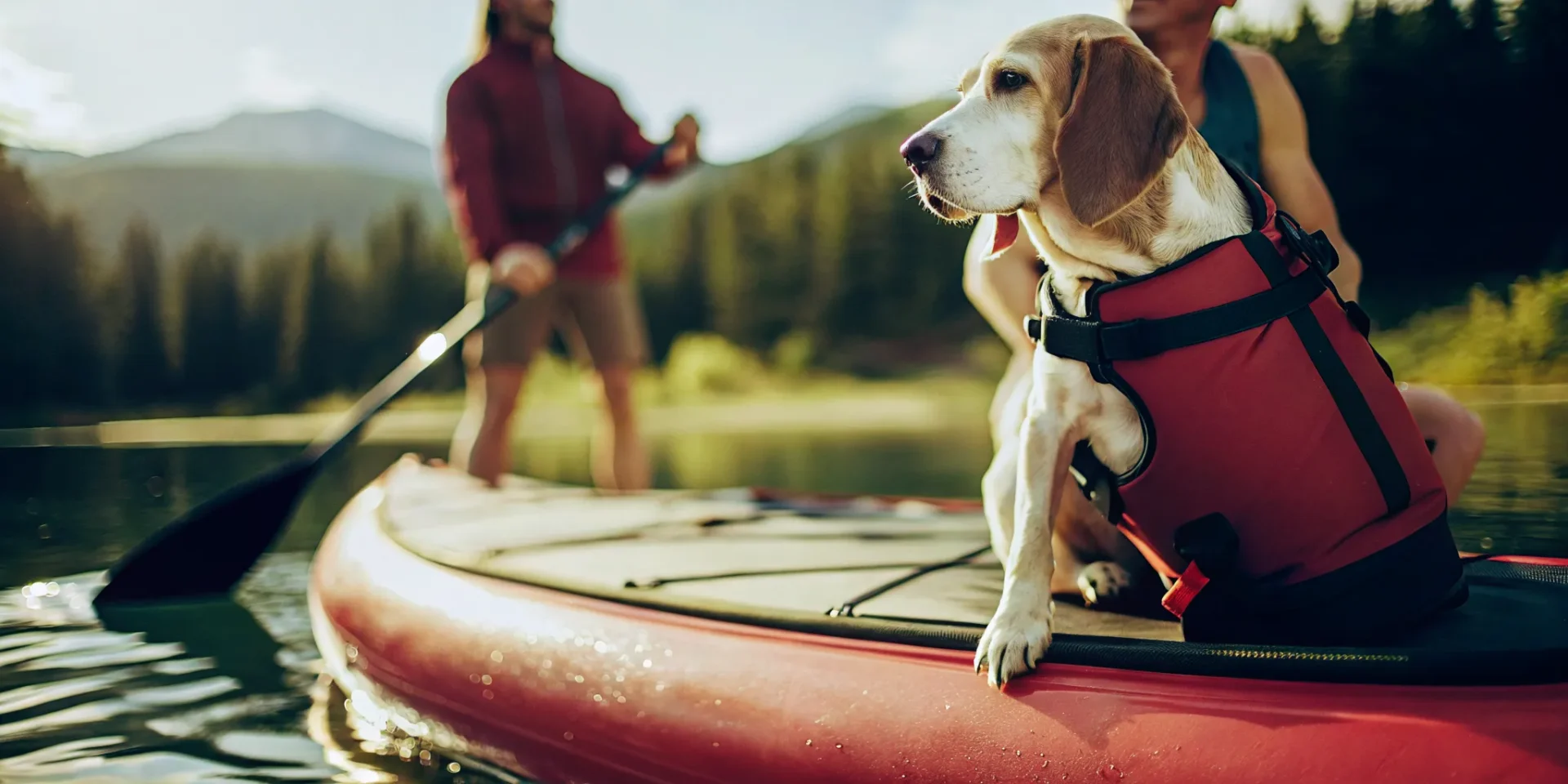
Paddle boarding with dogs Colorado is a rewarding way to enjoy Lake Dillon with your pet when you plan carefully. Fit your dog with a life jacket, bring fresh drinking water, practice on land, begin near shore, and monitor weather and water conditions throughout the trip.
Is your dog ready for paddle boarding in Colorado?
Your dog is ready to paddle board only when they remain calm around water, respond reliably to basic cues, tolerate a life jacket, and can balance comfortably. Assess their health, swimming ability, and reactions to distractions before launching, then begin with short sessions close to shore.
Check your dog’s nature
Not every dog is a fan of the board. Some pets are calm, but others get scared by movement or loud noises. Your dog should be able to sit still while you move. If your pet jumps at every fish or bird, the board might tip. You can test this at home by having your dog sit on a flat board in the yard. Give them treats to help them feel safe. This builds a bond that makes paddle boarding at Lake Dillon much easier for both of you.
Think about how your dog acts around other people and pets. Popular spots can be busy on weekends. If your dog barks at other boards, it can cause stress for everyone. A calm dog makes the trip fun. If your dog is shy, start at a quiet time of day. This gives them space to learn without many sights to scare them. Knowing when your pet is ready for a crowd is a big part of water safety.
Master basic water cues
Your dog must know a few simple cues before you launch. “Sit,” “Stay,” and “Down” are key to keeping the board level. You also need a cue for when it is okay to jump off. “Wait” helps keep your dog on the board until you are near the shore. This prevents you from falling in when they leap. Practice these cues in a quiet park first. Once they listen every time, you can try them on a board that is not moving in the water.
Training should be fun and use treats. Do not yell or force your dog onto the board. If they feel safe, they will want to join you. You can also use a “place” cue to show them where to sit on the board. Usually, the middle or the front is best for weight balance. Keeping the weight low helps keep the board stable. If you are new to the sport, practice alone first.
Assess swimming and health
Even dogs that swim well need help on the water. Check if your dog can get back on the board if they fall. Mountain spots like Dillon can have cold water that makes swimming hard. Your dog should also be fit enough to balance on a moving deck. Older dogs might find the deck too slick or hard on their legs. Always watch your dog when they are near the lake. You should also bring fresh water so they do not drink from the lake.
Watch for signs of tired legs or shaking. Cold water can drain a dog’s energy fast. If they look worn out, head back to the shore. It is better to have a short, happy trip than a long, hard one. You should also check the weather before you leave. Winds can pick up fast in the hills. Leave a float plan with a friend so they know when you will be back. These steps keep you and your pet safe on the water.
How should you introduce your dog to a paddleboard?
Introduce your dog to a paddleboard gradually by building a positive association on land, practicing essential cues, and then moving to shallow, calm water. Reward relaxed behavior, never force your dog onto the board, and keep initial paddles brief so confidence develops without unnecessary stress.
Start with land practice
The best place to start is your own yard or living room. Lay the board on a flat spot where it won’t move. Let your dog sniff the deck and walk over it. Give them a treat every time they show care or step onto the pad. This helps them see the board as a fun place to be.
You should also put on their life jacket during these home drills. Experts say a well-fitting life jacket is key for any pet on the water. Let them wear it while they play so they get used to the feel. Check the straps to make sure they are snug but not too tight.
Moving to the water
Once your dog is calm on land, head to a quiet spot. Shallow water with no waves is best for the first trip. You can find great spots for paddle boarding at Lake Dillon because of its calm mountain bays. Keep the first few tries very short to avoid stress.
Hold the board steady in knee-deep water. Ask your dog to jump on while you stand next to it. If they seem scared, do not force them. Just go back to land and try again later. Praise them for any small step they take toward the board. Your goal is a happy pet that wants to join you.
- Fit the PFD: Let your dog wear it around the house first.
- Explore the board: Place it on grass and reward your dog for stepping onto the deck.
- Practice cues: Rehearse “sit” and “stay” while the board is on land.
- Approach the water: Let your dog explore the board beside a shallow, calm launch.
- Steady the board: Hold it still as you lead your dog onto it in the water.
- Take a short paddle: Go out briefly, return, and reward calm behavior.
- Inspect conditions: Avoid water showing signs of blue-green algae.
Keep your pet safe on the lake
Always watch your dog when you are near the shore. Hot decks can hurt their paws, so check the board surface before they jump on. It is also wise to check dog-friendly paddle boarding policies at your local site. Some spots have rules about leashes or where pets can go.
Bring a bowl and plenty of fresh water for your pet. You must stop dogs from drinking from the lake or river. Raw water can have germs or algae that make pets very sick. If your dog gets too warm, find a shady spot or head back to the car to rest.
What should you bring for paddle boarding with your dog?
Bring a properly fitted canine life jacket, fresh drinking water and a bowl, a towel, waste bags, pet-safe sun protection, and a grippy deck surface. These essentials support your dog’s safety and comfort while helping you respond to Lake Dillon’s cold water, strong sun, and changing weather.
Safety gear for your pet
Every dog needs a life jacket that fits well for water activities. Even strong swimmers can get tired or scared if they fall into deep water. Experts at Clemson University say a life jacket with a handle on the back is best. This handle helps you lift your dog back onto the board. You should also check the dog-friendly paddle boarding policies at your chosen spot before you go.
Keep your dog under your watch at all times. A leash can be a risk if it gets caught on the board or things under the water. Many people keep the dog off the leash while on the board but have it ready for the shore. Always check the sky and the wind before you start. Quick changes in the weather can make it hard to get back to the docks.
Water and health needs
Fresh water is a must for your dog. You should never let your pet drink from the lake or river. Natural water can have bad germs that make dogs sick. To stay safe, bring a bowl and plenty of clean water from home. Public health experts at the CDC note that safety gear and good habits help stop water accidents. Keeping your pet hydrated with fresh water is a big part of that safety plan.
Sun care is also key at high spots. Dogs can get burned on their noses and bellies where fur is thin. Use a pet-safe cream to protect them. You should also bring a towel to dry your dog after the trip. This helps keep them warm if the mountain air turns cold. Extra waste bags are needed to keep the water clean and protect the land for everyone.
Grip and board comfort
A dog needs a firm place to stand on your paddle board. Most boards have a soft pad, but your dog’s claws might need more grip. You can add a rubber mat to the front of the board. This helps your pet feel safe and keeps them from slipping into the water during turns. A calm dog makes the whole trip better for both of you. Good gear and a solid plan let you enjoy the best of the Colorado water.
Plan your Lake Dillon paddleboard outing
Cold water and weather considerations on Lake Dillon
Lake Dillon’s cold water, high-altitude sun, wind, and quickly changing weather require active preparation. Check conditions before launching and throughout the outing, fit both paddler and dog with appropriate flotation, carry fresh water and sun protection, remain close enough to return safely, and leave early when conditions worsen.
Understand the cold water risk
Even in mid-summer, the water in Lake Dillon stays chilly. If you or your dog fall in, the cold can cause a shock to the body. This is why a life jacket is so vital. Using a well-fitting vest ensures it stays in place if you end up in the lake, as noted by Michigan State University. This gear gives you more time to get back on your board.
Your dog also needs help in the cold. For safety, it is best that dogs wear a life jacket when doing water activities, according to Clemson University. A vest with a handle on the back makes it much easier to pull your dog out of the cold water if they take a swim. You should also know how to get your pet back on the board before you head out.
Watch for fast weather changes
Mountain weather can shift fast. A clear blue sky can turn into a windy storm in just a few minutes. Summer weather often moves quickly, so you should check the forecast before you leave and check it again while on the water, according to the Mayo Clinic. High winds are common on Lake Dillon and can make it very hard to paddle back, especially with a dog on your board.
Checking the wind speed and direction is a key part of your plan to ensure a safe return. You should also look for signs of storms and have a plan for where to go if the weather turns bad. Being smart about the wind and sky helps you avoid rough water. If the wind picks up, it is often best to head back to the dock early rather than fighting the waves.
High altitude safety tips
The sun is much stronger at high spots like Lake Dillon. Both you and your dog can get sunburned or feel the heat quickly. You should use sun screen and bring plenty of fresh water for your pet to drink. This keeps them from drinking from the lake, which can be unsafe. Watching your dog for heat illness and making sure they rest in the shade is also key for their health on your trip.
| Condition | Risk Factor | Safety Action |
|---|---|---|
| Cold Water | Body shock | Wear a life jacket |
| High Wind | Drifting far | Check wind speed |
| Strong Sun | Heat illness | Bring fresh water |
| Storms | Lightning or waves | Watch the sky often |
Responsible on-water behavior with a dog
Responsible paddlers keep their dogs under control, give other lake users and wildlife ample space, follow posted rules, launch efficiently, and pack out pet waste. Bring fresh water so your dog does not drink from the lake, and stay alert around boats, shore activity, and environmental hazards.
Share the water and space
Lakes like Lake Dillon can get busy with boats and other paddlers. Always give other water users plenty of room. If you see motorboats, pay close attention to engine use to avoid propeller hazards for your dog. Keeping a safe distance from others prevents your dog from getting too excited or trying to jump off to greet new friends.
When you head out, check the dog-friendly paddle boarding policies for your specific spot. Some areas have rules about where pets can go on shore. Giving others space is a core part of being a professional waterman or waterwoman. It shows you care about the lake community as much as your own fun.
Protect local wildlife and nature
Colorado is home to many wild animals that live near the water. Part of environmental stewardship is making sure your dog does not chase birds or fish. Chasing wildlife can stress the animals and lead to dangerous situations for your pet. Always keep your dog under control to protect the natural balance of the area.
Managing waste is another big task for pet owners. Always pack out any pet waste to keep the water clean and safe for everyone. You should also prevent dogs from drinking from the lake. Local water can have bacteria or algae that might make your pet sick. Bringing your own fresh water and a bowl is the best way to keep them hydrated.
Practice good launch etiquette
The boat ramp or beach is the start of your journey. Try to get your gear and dog ready before you reach the water’s edge. This keeps the path clear for other people who want to launch. If you are paddle boarding at Lake Dillon, using the designated areas helps the marina run smoothly. A quick and quiet launch sets a good tone for the whole day.
Once you are on the board, keep a steady pace away from the shore. This reduces noise and splashing near other people who may be resting. By following these simple steps, you help protect the high-altitude beauty of our mountain lakes. Responsible behavior ensures that these beautiful spots stay welcoming for all humans and their dogs.
Check Dillon paddleboard rental availability
Frequently Asked Questions
Can I bring my dog with me on my paddle board in Colorado?
Yes, you can bring your dog on a paddle board at many lakes in Colorado. Stand Up Paddle Colorado has a clear dog-friendly policy for Lake Dillon. This makes it a top spot for pet owners. As stated by Stand Up Paddle Colorado, you must check local rules for each lake before you go. Some areas have rules about where dogs can swim or if they need a leash on the shore.
What Colorado lakes are best for paddle boarding with dogs?
Many lakes in the state allow dogs on paddle boards. Good spots include Lake Dillon, Twin Lakes, Union Reservoir, and Carter Lake. Lake Dillon is a great choice because it has calm water in the morning. As stated by Stand Up Paddle Colorado, it is a main place for rentals and fun mountain water trips. Always look up the dog rules for any park or lake before you arrive with your pet.
Do I need a life jacket for my dog on a paddle board?
Yes, you should always use a life jacket for your dog on the water. Even if your dog is a good swimmer, they can get tired or cold very fast. A life jacket that fits well helps keep them safe. It also makes it easier for you to help them back onto the board. Experts at Clemson University say a life jacket is a must for any pet doing water sports.
Can dogs paddle board at Chatfield State Park?
Yes, dogs can go on paddle boards at Chatfield State Park, but there are rules. Pets are not allowed on the main swim beaches at the park. You should keep your dog on a leash in other areas when they are not on the board. It is also smart to check for blue-green algae. These blooms can make toxins that are harmful to dogs and other animals. Always look for park signs.
Ready to book your Dillon paddleboard rental?
Prepare for a safer, more enjoyable Lake Dillon paddle by checking current conditions, reviewing dog policies, packing the right gear, and reserving equipment before your visit. Stand Up Paddle Colorado can help you check Dillon rental availability so you can focus on a calm introduction and responsible time on the water.
Ready to check availability for a Dillon paddleboard rental? Our team at Stand Up Paddle Colorado is here to help you and your dog have the best trip on the lake. Book your dog-friendly board now to make sure you and your pup can get out on the blue water this week.