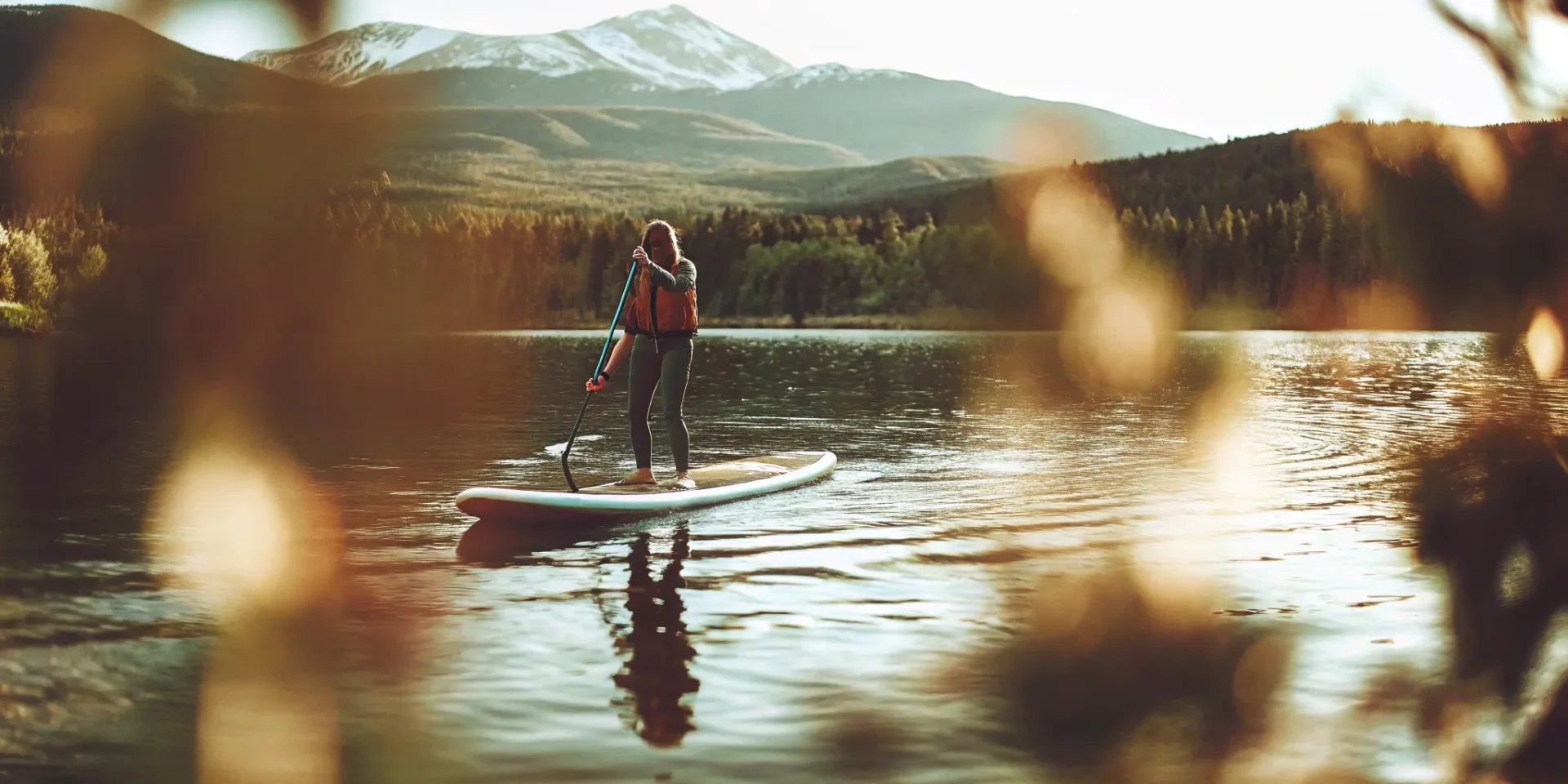
Paddling on mountain lakes requires more than just balance and a board. At nine thousand feet, the thin air and strong sun change how your body reacts to exercise. Success on the water starts with small steps to handle the alpine climate safely.
Choose your Dillon paddle experience and reserve a morning on the water.
High altitude paddle boarding requires specific body prep because oxygen levels at ten thousand feet are only sixty nine percent of sea level. This thin mountain air reduces your natural stamina and makes simple tasks like paddling against a lake breeze feel much harder and more tiring than usual. You should spend three to five days at elevation for proper acclimatization and drink plenty of extra water to stay hydrated. You also need to wear strong sun protection and take frequent breaks to help your body adjust to the high and harsh alpine lake area. Following these simple steps helps you avoid altitude sickness so you can enjoy the great views of the Colorado Rockies without feeling worn out or ill.
Many visitors wonder why they feel tired so quickly after just a few minutes of paddling on a mountain lake. Understanding the science behind the thin air and cold water is the first step toward a successful alpine trip. Knowing why high altitude paddle boarding feels different will help you plan for a better day on the water. The path begins with understanding how elevation changes your effort.
Why high altitude paddle boarding feels different
Paddling on a mountain lake is not the same as paddling at sea level. The air is thin, and the sun is strong. When you try high altitude paddle boarding spots, your body works hard to get enough oxygen. This change in the air affects how you feel and how long you can stay on the water.
How thin air affects your effort
At high heights, there is less oxygen in each breath you take. At 10,000 feet, the pressure of the oxygen you breathe is only about 69% of what it is at sea level. This drop can lower the oxygen in your blood quite fast. Because of this, you might feel out of breath much sooner than usual.
Your body needs time to adjust to the higher elevation. The first three to five days after you arrive are key for this change. During this time, your heart and lungs work hard to keep up. Even fit people will find that their best effort is lower than it would be at home. This is a normal response to the mountain air.
Managing your pace and breath
When you start your trip, move slowly. Do not try to sprint or race right away. High altitude paddle boarding needs you to listen to your body. If you feel dizzy or have a headache, it is time to sit down and rest. Taking deep, calm breaths helps your body get the air it needs. It also helps you stay steady on your board.
Pacing is key for a fun day on the water. You should take more breaks than you think you need. Drink plenty of water before, during, and after your trip. The air in the mountains is very dry. This can lead to losing water fast. Drinking enough water makes it easier for your body to handle the height.
Tips for a safer high-altitude session
Before you go out, follow these high altitude paddle boarding tips to stay safe. Always start with a safety talk and a skills check. This is very helpful for new paddlers who are not used to mountain water. You should also wear a life jacket and use a leash. These tools are vital because mountain weather can change in a few minutes.
The sun is also a big factor at high altitude. You are closer to the sun, and the thin air does less to block its rays. Wear a hat and use plenty of sunblock. Cold water is another risk to watch for. Even in the heat of summer, mountain lakes stay very chilly. Staying dry and having the right gear will keep you safe and happy during your trip.
How should you prepare before your paddle?
High altitude paddle boarding is a great way to see the mountains. But thin air and fast weather shifts mean you must plan ahead. If you come from a low place, your body needs time to get ready for the height. Proper preparing for Colorado mountain paddle boarding helps you stay safe and have fun on the water.
Give your body time to adapt
The best way to start is to let your body get used to the thin air. This is called acclimatization. Most people need three to five days to adjust to the new height. If you live at sea level, try to spend a few days in town before you head to the lake. The CDC notes that this early period is key for travelers.
Try not to go from a low place to over 9,000 feet in just one day. This can make you feel sick. It is better to go up slowly so your lungs can work well. If you feel dizzy or have a bad head pain, take a break. Your health is the most vital part of the trip. Moving up in steps is the safest path for your body.
Hydrate and fuel for the height
The air in the mountains is very dry. You will lose water faster than you do at home. Drink plenty of water before you even get to the lake. Do not wait until you feel thirsty to start. Also, stay away from drinks with alcohol for at least two days after you arrive. Alcohol can make height sickness worse and slow you down.
Eat good meals with plenty of fuel for your muscles. Your body works harder at high heights. It uses more power to keep you warm and moving. Bring small snacks like nuts or fruit with you on the board. This keeps your fuel levels up so you do not get tired too fast. Getting enough rest the night before also helps your body stay strong for the day.
Dress for the sun and cold water
At high heights, the sun is much stronger. There is less air to block the rays. You can get a bad burn very fast, even when it feels cool or cloudy. Use a strong sun block on all your skin. Wear a hat and glasses to protect your eyes from the glare off the lake. The CDC suggests that UV rays are a big risk in these spots.
Mountain water stays cold all year long. Even on a hot day, the water can be a shock to your system. Wear thin layers that dry fast. Do not wear cotton because it stays wet and cold. A light jacket can help if the wind picks up. For a more sheltered option, consider paddle boarding at Nottingham Lake in Avon, which has different wind patterns than the larger reservoirs. Always wear your life vest to stay safe if you fall in. Good gear makes sure you stay warm and safe while you enjoy the views.
Mountain weather can change in a blink. A bright blue sky can turn dark with clouds in just a few minutes. Check the local forecast before you leave your house. If you see lightning or hear thunder, get off the water right away. High altitude paddle boarding is much safer when you know what to expect from the sky. Watch for afternoon winds and stay close to the shore if they get strong.
Plan for cold water, even on a sunny day
Sunny skies in the Colorado mountains can be tricky. Even when the air feels hot, the water in high-altitude lakes stays very cold. Much of this water comes from melting snow. This means it rarely gets warm, even in late summer. Cold water shock is a real risk for those enjoying high altitude paddle boarding. You must plan for the water temperature, not just the air temperature.
Understand cold water shock
Falling into cold water can cause your body to react in ways you cannot control. You might gasp for air or lose your breath. This is why cold water shock is a major risk on mountain lakes. To stay safe, you should always stay near the shore. If you do fall in, being close to land helps you get out of the water fast. It also makes it easier for others to help you if needed.
Wearing a life jacket is the best way to stay safe. A life jacket, or PFD, keeps your head above water if you gasp or feel weak from the cold. At Stand Up Paddle Colorado, we make sure every guest has the right gear. Using a life jacket is a key part of high altitude paddle boarding tips for any skill level. It gives you time to think and move if you end up in the lake.
Dress for the water
When you go high altitude paddle boarding, you should dress for the water temperature. Avoid cotton clothes, as they stay wet and cold for a long time. Instead, choose fabrics like nylon or polyester. These dry fast and help keep you warm. If the water is very cold, you might need a thin wetsuit or a dry suit. This is a vital part of preparing for Colorado mountain paddle boarding.
The thin air at high altitudes also means more UV rays. High-altitude spots expose people to increased ultraviolet radiation. While you want to stay warm, you also need to protect your skin from the sun. Wear long sleeves that block the sun and dry quickly. This keeps you safe from both the cold lake water and the strong mountain sun.
Choose the right leash
A leash keeps your board from floating away if you fall. This is helpful on calm lakes because your board can act as a float. However, leashes can be dangerous on moving water. Before heading to locations like the Colorado River for paddle trips and rafting, check local rules and water conditions. For high altitude paddle boarding on a lake, a leash is usually a smart choice. It ensures you stay with your board at all times.
What should you know about mountain weather?
Weather in the high Rockies can change in just a few minutes. While the sun often shines in the morning, clouds and wind can move in fast by noon. When you try high altitude paddle boarding locations, you must stay aware of these shifts. Clear blue skies do not mean the whole day will stay calm.
Check the local wind and clouds
Mountain wind often picks up as the day gets warmer. Strong gusts can make it hard to paddle back to the shore. It is best to check the local forecast right before you go out. Our team at Lake Dillon uses a 71-point weather assessment system to keep guests safe from sudden changes. We watch for signs of lightning and rising wind speeds every hour.
Start your day early
The safest time to be on the water is early in the morning. Afternoon storms are common in the mountains during the summer. These storms can bring heavy rain and lightning. By starting early, you get the calmest water and the most sun. High altitude environments expose you to more UV radiation, so sun protection is key as you plan your preparing for Colorado mountain paddle boarding trip. You can find more facts on sun safety from the CDC.
Follow the outfitter staff
Always listen to the staff and follow their lead on safety. If the wind starts to blow hard, it is time to turn around and head for the dock. Do not wait for a storm to hit before you act. Our watermen and waterwomen know the lake and its moods well. They will tell you when it is time to get off the water. Trust their expert advice to keep your trip fun and safe.
A beginner-friendly pacing plan
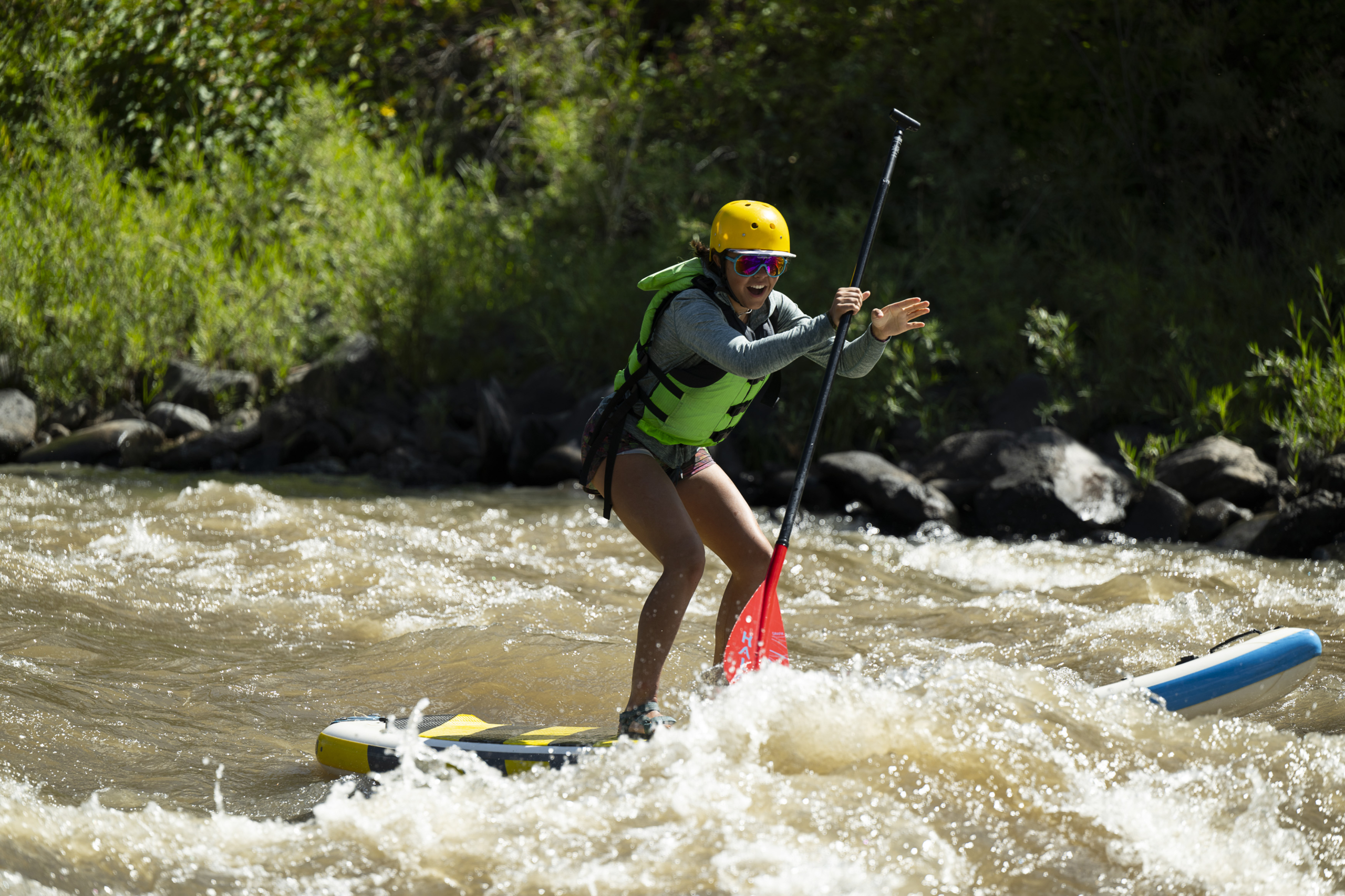
High altitude paddle boarding is a fun but tough task. In the Rocky Mountains, the air is thin. At 10,000 feet, the amount of oxygen in the air is much lower than at sea level. This means your lungs and heart must work hard. If you push too fast, you might feel worn out. A good plan helps you stay safe and enjoy the views.
Warm up and start slow
You must get ready before you hit the water. If you just got to the peaks, rest for two days first. Do not do heavy work for the first 48 hours at high spots. This gives your body time to get used to the change. At high altitude paddle boarding tips, we tell folks to start with light moves. Stretch your arms and legs. This helps your blood flow without making you gasp for air.
The sun is strong in the peaks. Put on sun cream and drink lots of water. Being wet and staying hydrated is vital for high altitude paddle boarding locations. Drink even when you do not feel thirsty.
Monitor your exertion
Watch how you feel as you move. Your work results at high altitude will be less than what you see at home. Do not try to race on your first trip. Keep your breath slow and deep. If you cannot talk with ease, you are going too fast. Take a seat on your board and rest for a bit.
- Go through a safety talk and a skill check first. This helps you get to know your gear and the water before you go far.
- Paddle near the shore for ten or fifteen minutes. Use this time to see how you feel in the thin mountain air.
- Do a short loop near the dock or a mark in the water. Keep your strokes light to keep your power for later.
- Pause for a minute to see how you feel. Check for signs of being tired, like a fast heart rate or short breath.
- Go a bit further if you feel strong. Stay where you can see the launch spot and where people can see you.
- Start your trip back while you still have some juice left. It is best to finish the day with energy in your tank.
Plan your return route
The weather in the high peaks can change in a snap. Winds often get strong after noon. When you pick your path, think about the way back. It is often much harder to paddle back to the shore. Look at the sky for dark clouds or rain. If the wind starts to rise, stay near the bank. This makes it easy to get to safety if you feel weak.
Your high-altitude paddle boarding checklist
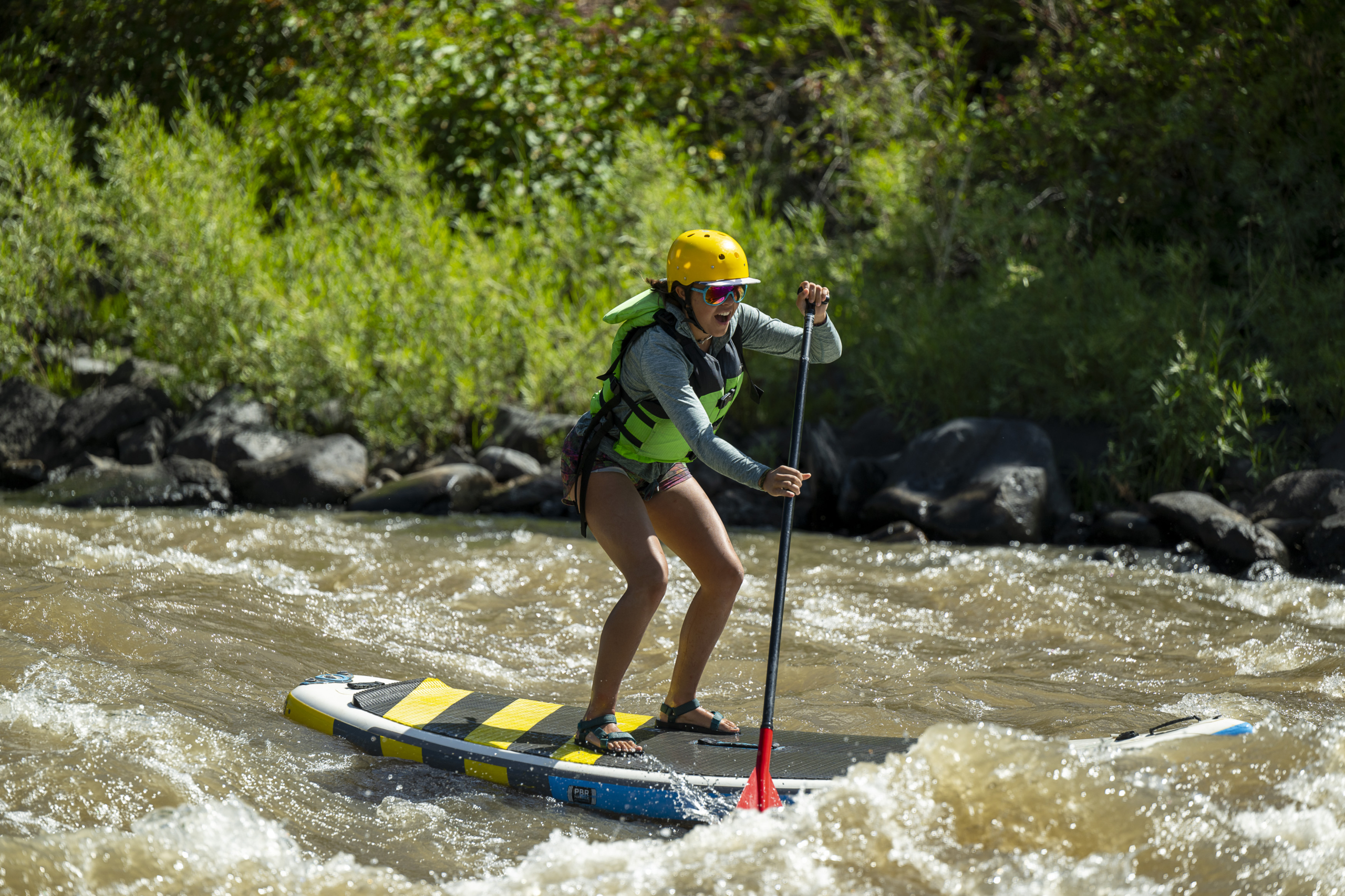
Safe mountain trips start long before you touch the water. High-altitude paddle boarding needs extra care because the thin air and cold water change how your body works. You should always use a checklist to make sure you have the right gear for a safe day. This process helps you manage risks from sun rays and sudden mountain weather shifts.
Check the sky and air
Mountain weather can change fast. At high spots like Lake Dillon, we use a 71-point weather plan to stay safe. You must check the forecast for high winds and storms before you start. It is also wise to know that your physical power will be lower. At 10,000 feet, the air has much less oxygen pressure than at sea level. This can tire you out quickly, so plan for a short and easy route.
Pack your safety gear
Every paddler needs a life vest and a leash. Cold water shock is a real danger in Colorado lakes, even during the hot summer months. Wearing a vest keeps you up if you fall into the cold water. You should also bring a whistle to call for help if needed. Good pre-trip planning helps you avoid common gear slips that can end a trip early.
| What to check | Why it matters | Action to take |
|---|---|---|
| Weather forecast | Storms move fast in mountains | Watch for dark clouds and wind |
| Water temperature | Cold water causes shock | Wear a vest and dress in layers |
| Sun protection | UV rays are stronger at altitude | Use high-SPF cream and wear a hat |
| Water bottle | Dry air leads to thirst | Drink 16 ounces every hour |
| Phone or radio | You may need to call for help | Keep in a dry bag on your vest |
Protect your skin and body
The sun is much stronger when you are closer to the sky. High-altitude spots expose you to more UV radiation than lower areas. You need to wear a hat and put sun cream on all bare skin. It is also vital to drink plenty of water to fight the dry mountain air. Proper hydration helps your body handle the thin air while you enjoy your time on the lake.
Choose the right Dillon paddle experience
Dillon Lake offers some of the best high altitude paddle boarding in the Rocky Mountains. Most visits start right at the Dillon Marina. This spot sits over 9,000 feet above the sea. You must pick the right trip to stay safe and have a great time. Our team helps you find the best plan for your own skill level. We want your day on the water to be a safe part of your trip to the mountains.
Pick gear for your skill level
Choosing the right board is the first step for a good day on the lake. We provide stable gear that helps new paddlers feel safe. Wide boards are best for those who are just starting out. They help you keep your balance when the water moves. If you have more skill, you might want a fast, thin board. You can see our Dillon location page to learn about the gear we offer.
Matching your gear to your skill helps you enjoy the views without a fall. We also provide life vests and leashes for every guest. These tools are a must for safety in mountain lakes. High winds can move a board away from you fast if you fall. A leash keeps your board close so you can get back on with ease. Our gear is kept in top shape to make sure you have no issues on the water.
Trust our local expert staff
Our staff knows the lake and the local mountain weather well. They give a full safety talk to every guest before they head out. This talk covers how to stay safe and how to use the gear the right way. Since high altitude spots have less oxygen, it is smart to listen to our team. We use a 71-point weather tool to check for risks every day.
We track wind shifts and storm clouds from dawn to dusk. If the wind gets too strong, we tell you which way to go. Local staff can spot a storm long before it hits the water. This expert help helps you avoid the stress of quick shifts in the sky. Our team makes sure you spend your time on the water in the safest spots. We are here to help you feel like a pro on the lake.
Match your visit to the weather
Timing is a big deal when you plan your paddle trip to Lake Dillon. Mornings are often calm and clear. This is the best time for kids and new paddlers to try the sport. By mid-day, the wind can pick up and create waves. Stronger winds make the water choppy and much harder to paddle. We suggest you book early in the day for the best water.
You should also think about the sun and the cold. The risk of UV harm is much higher at this high altitude. Wear a hat and use sun block even on a gray day. Cold water is one fact of life in the mountains. Even in the peak of summer, the water is cold enough to shock your body. Our staff will give you high altitude paddle boarding tips to keep you dry and warm.
Frequently Asked Questions
Is paddle boarding harder at high altitudes?
Yes, paddle boarding feels harder at high altitudes because there is less oxygen in the air. At 10,000 feet, you only get about 69 percent of the oxygen found at sea level. According to the CDC, your peak effort will always be lower in these thin-air places. To stay safe, you should pace yourself and take more breaks than you normally would while you are on the water.
What equipment do I need for high altitude paddle boarding?
You need standard gear plus items for cold water and high sun. A life jacket and a board leash are required for your safety. Since mountain lakes stay cold, you might need a wetsuit to prevent cold water shock. The Stand Up Paddle Colorado safety guide also says you need good sun safety. UV rays are much stronger at high altitudes, so wear a hat, sunglasses, and sunblock with a high SPF.
How long does it take to get used to the altitude in Colorado?
Most people need three to five days to adjust to the lower oxygen levels in the mountains. This first stage is the most important for guests coming from lower heights. According to the CDC, full adjustment can take weeks, but the first few days help reduce the risk of altitude sickness. During this time, drink plenty of water and avoid hard exercise to help your body adapt.
What safety steps should I take for high altitude paddle boarding?
Safety at high altitudes starts with watching the weather. Mountain conditions can change fast, so check local reports before you head out. You should also drink more water than usual and avoid alcohol to stay hydrated. The Stand Up Paddle Colorado team uses a 71-point weather check system to manage these risks. Always wear a life jacket and stay close to the shore if you are a beginner or feel tired.
Ready to plan your high-altitude paddle on Lake Dillon?
High altitude water sports need the right prep and gear to stay safe. If you wait to book, you may find that the best boards and morning slots are gone. Missing a calm morning on Lake Dillon because of poor planning is a tough way to start your trip. Winds often pick up later in the day, making your first high-altitude paddle much harder. Mountain air is thin and the sun is strong, so a clear plan is the best way to avoid stress. Setting up your trip now makes sure your gear is ready and your time is set. You can spend your day enjoying the cool air and clear water instead of waiting in line.
Ready to get on the water? Choose the right Dillon experience to book your high-altitude paddle trip today.