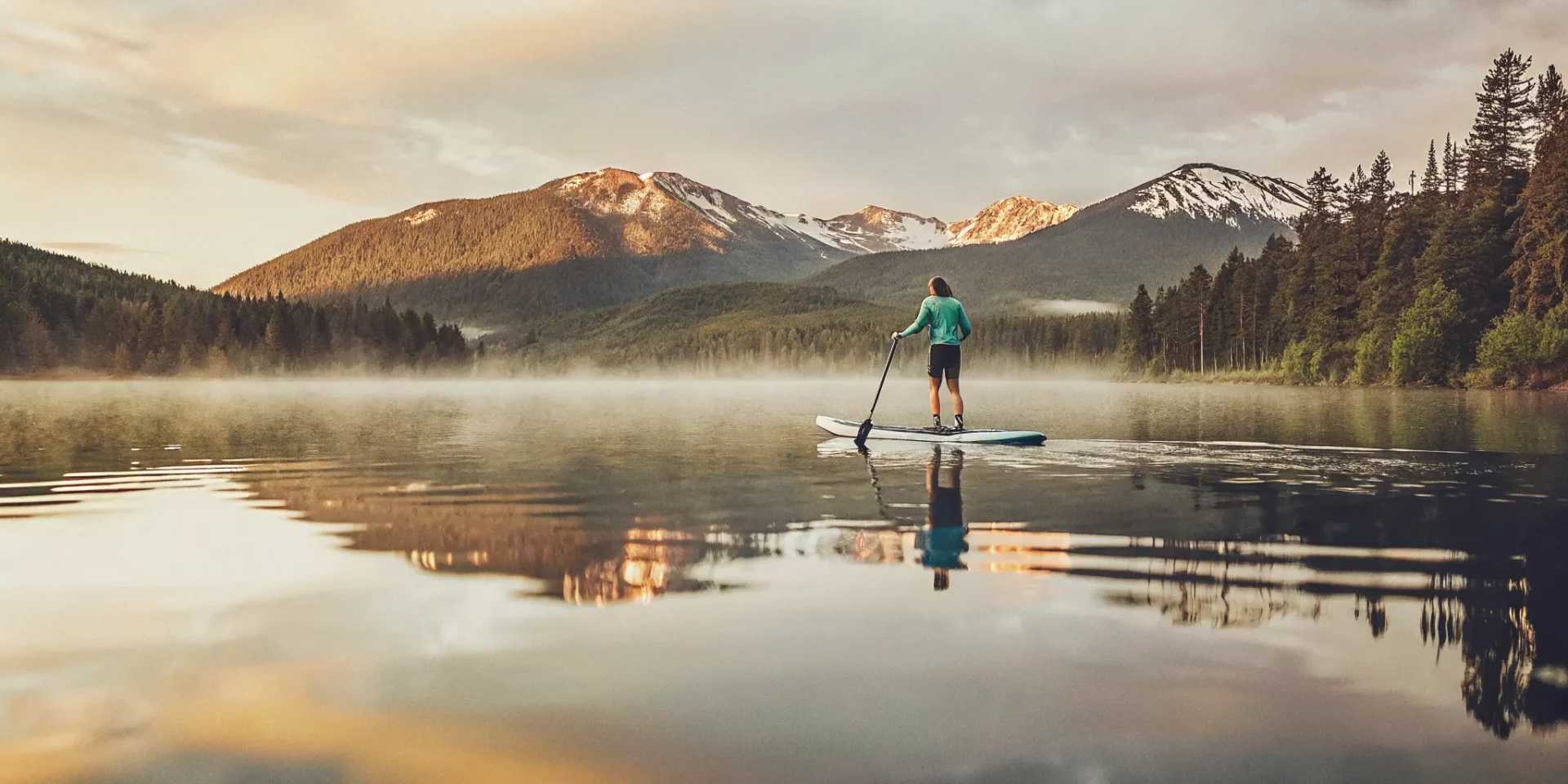
Wind patterns at 9,000 feet change the way you plan a day on the water. High mountain lakes demand respect because weather can change faster than most people can paddle.
Book your Lake Dillon paddle board experience.
The best time to paddle board Lake Dillon is early in the morning before the daily mountain winds arrive. High mountain lakes like Dillon often see calm, glass-like water at sunrise, which provides the safest and most fun conditions for all skill levels. By late morning, solar heating in the nearby peaks often creates strong afternoon gusts that can make paddling back to the marina hard or even risky. To reduce exposure to stronger afternoon wind, many local paddlers prefer an early launch and a return to shore before noon. This early schedule also helps you miss the largest crowds at the Dillon Marina while the water is at its most peaceful. According to the National Weather Service, these daily wind patterns are common in mountain valleys and can shift rapidly without much warning.
Planning around these shifts means more time gliding and less time fighting the breeze. At Lake Dillon, the clock can be one of your most important pieces of safety gear.
Why morning is usually the best time to paddle board Lake Dillon
Morning is usually the best window because winds are often lighter, the surface is smoother, and fewer boats are active. Conditions are never guaranteed, so confirm the current forecast and lake conditions before launching.
Early morning is the best time for many people to get out on the water. At Lake Dillon, the start of the day often brings the calmest conditions. The water surface may look like glass before the sun heats the mountain slopes. Smooth water makes it much easier to balance and move efficiently. If you want a quiet start, review the Dillon paddle board rental options and look for an early time.
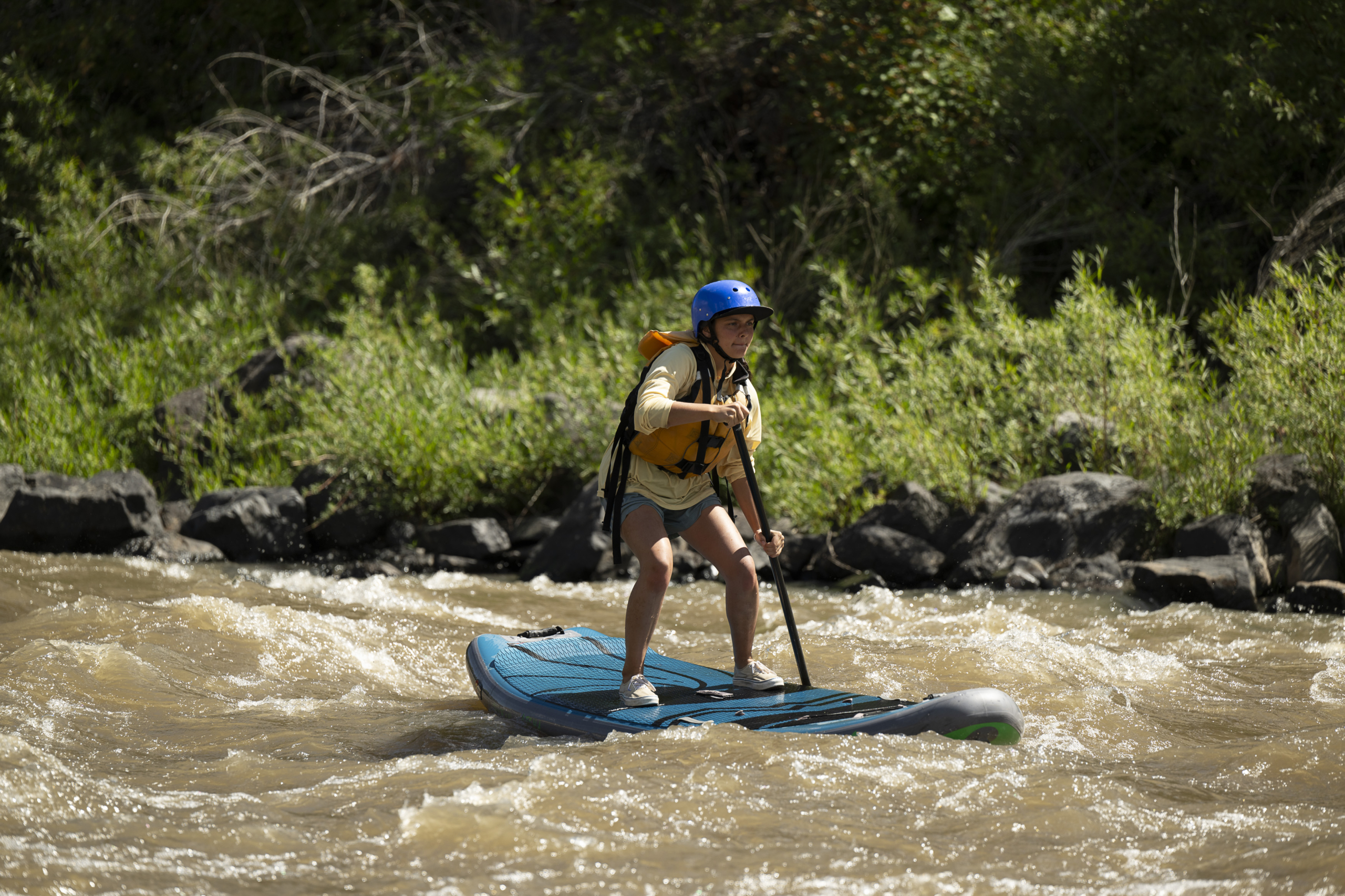
Glassy water and light winds
Wind is the main thing to watch for safe paddling in high-alpine areas. In the mountains, air moves as the day warms up. Early hours often have light winds that are much safer for new and pro paddlers. Data from the National Data Buoy Center shows that morning wind speeds are often much lower than afternoon speeds. Lower winds mean you can see more of the lake without fighting strong gusts. This is vital because high-altitude winds can shift quickly and become hazardous.
Paddling in the morning also gives you the best chance to see the lake when it is quiet. Most boat trips start later in the day. Fewer boats mean fewer waves, which makes the water more stable for your board. You can focus on your moves and enjoy the views of the peaks. Since Lake Dillon sits at 9,000 feet, the National Park Service notes that weather changes fast at high heights. Starting early gives you a wider window of safety before the daily changes occur.
Avoiding the afternoon wind shifts
Afternoon winds on Lake Dillon can be quite strong. As the sun heats the valley, air begins to rise and create steady breezes. These winds can reach speeds over 8 meters per second, which makes paddling back to the marina very hard. Many guests find that planning your Dillon paddle boarding trip for the morning helps avoid these hard times. If afternoon winds pick up, Nottingham Lake in Avon offers a more sheltered paddle boarding alternative nearby. If the wind picks up, it can create whitecaps and choppy water that are not fun for most people.
The National Weather Service explains that heating in the mountains drives these daily wind patterns. This often leads to a higher chance of storms or sudden gusts after midday. By choosing a morning slot, you stay ahead of these risks. You get the best light for photos and the most stable air for your trip. This simple choice makes your time on the water much safer and more fun.
Lake Dillon paddle boarding by time of day
Early morning commonly offers the lightest wind and smoothest water; midday and afternoon often become windier, while evening conditions remain variable. Treat every time window as conditional and check the latest forecast before going.
The time you choose to go out on Lake Dillon changes your trip. High-alpine water can become difficult to navigate if the wind picks up. Most experienced paddlers prefer an early start. This helps them avoid strong gusts that make the lake tough to cross.
Early morning calm
Mornings on the water are the most peaceful. At 9,000 feet, the air is thin and the water is cold. Early trips are best for those who want calm water. Data from the National Data Buoy Center shows that wind speeds are often much lower in the morning. If you are new to the sport, this quiet time will help you stay on your board.
Midday and afternoon winds
As the sun heats the mountain valleys, the wind often starts to rise. This shift can create bad conditions on the lake according to the National Weather Service. Midday trips are fun but take more work to stay on course. Afternoon wind speeds can be high, which makes the path back to the dock a real test of strength. If you plan to head out after lunch, check the latest weather. Common questions about Lake Dillon paddle boarding often focus on how fast the air can change.
Evening transitions
Evening can bring another calm window as the air cools down. But this time is less sure than the morning. You must also watch for fast drops in heat at this height. High areas can face quick weather shifts, so safety at high altitude is key even late in the day. Always watch the sky for storms before you leave the shore.
| Time of Day | Typical Wind | Typical Water | Planning Note |
|---|---|---|---|
| Early morning | Often lighter | Often smoother | Commonly preferred by new paddlers. |
| Midday | May increase | May become choppy | Recheck conditions before launching. |
| Afternoon | Often stronger | May become rough | Consider staying ashore if conditions worsen. |
| Evening | Variable | Variable | Confirm conditions and rental availability. |
How mountain weather changes your timing
Mountain sun can drive stronger wind and storm development later in the day, making an early launch the preferred choice for many paddlers. Forecasts are not guarantees, so confirm current conditions and return to shore if wind, clouds, or waves build.
High-alpine weather on Lake Dillon changes quickly. At 9,000 feet, the high-altitude environment creates conditions that can shift in minutes. You might start with glass-like water and clear skies, but storm clouds can build over the peaks by midday. This rapid change is why many visitors choose an early Lake Dillon paddling session.
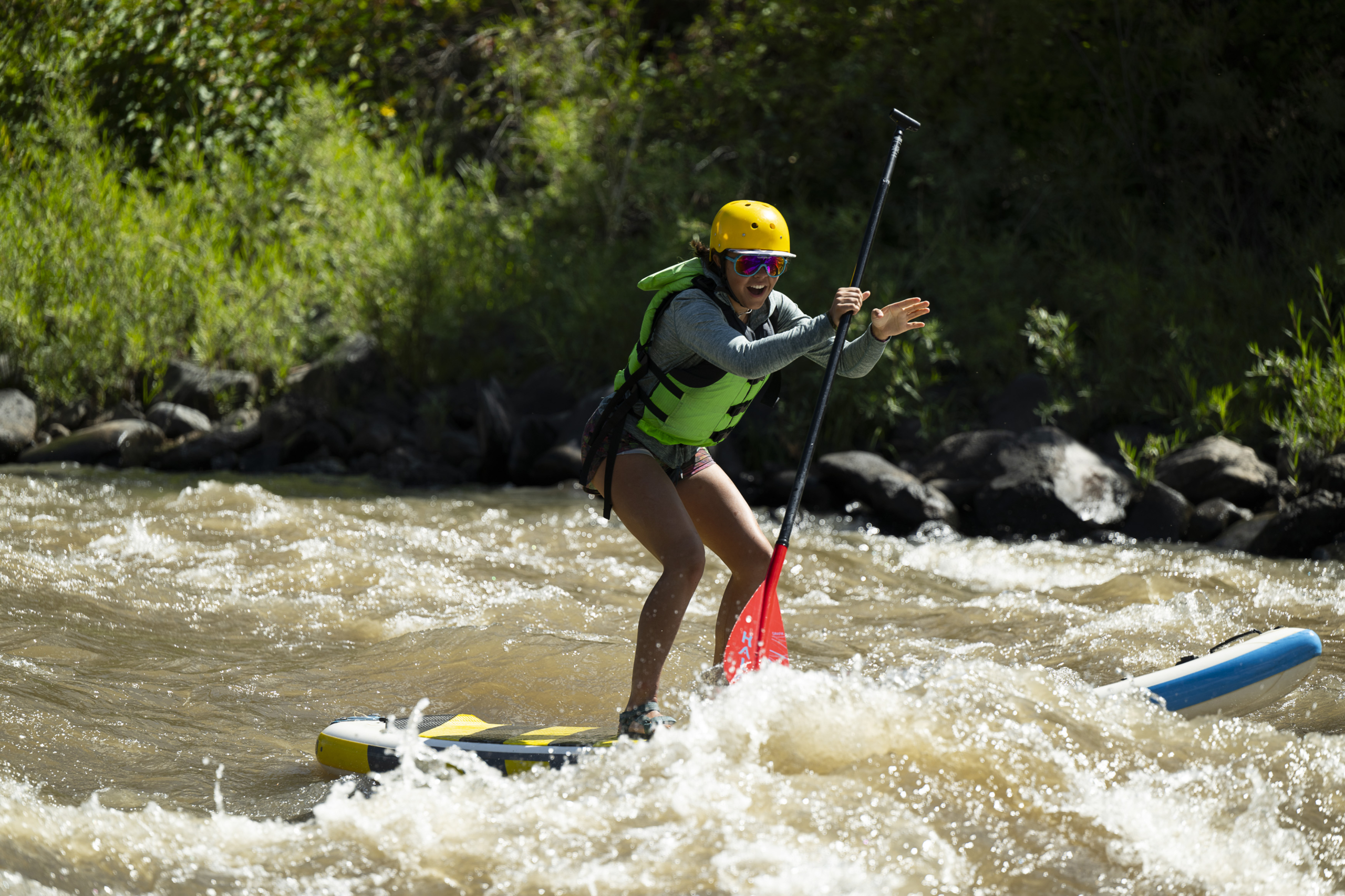
The role of mountain winds
As the sun heats the mountain slopes, it creates a pattern known as diurnal heating. This process drives winds that typically get stronger as the day goes on. According to the National Weather Service, these breezes can turn a calm lake into a choppy area quickly. Afternoon winds can often reach speeds over 8 meters per second, making it hard to stay on your board.
For most paddlers, the goal is to be off the water before these winds peak. Launching by 9 a.m. helps you avoid the worst gusts. If you wait until the afternoon, there is a much higher risk that choppy water will cut your trip short. Morning air is cool, but the lack of wind makes it feel warmer than a breezy afternoon.
Cold water and safety prep
The water in Lake Dillon stays cold all summer due to its high altitude. If you fall in, the cold can sap your strength fast. This makes planning your Dillon paddle boarding trip around stable weather a vital safety step. You should always check local reports for Dillon, Colorado, to see the latest wind and storm outlooks before you head to the marina.
Since forecasts are not a promise, you must stay flexible. Rapid shifts in clouds or wind should be your cue to head back to shore. Being ready for these changes is a key part of water safety in the Colorado high country. By picking a morning slot, you improve your chance of finding a smooth surface.
Check the Lake Dillon live stream before you head out.
When can you avoid crowds on Lake Dillon?
Weekday mornings generally offer the best opportunity to avoid crowds at Lake Dillon. Arrive early, allow time for parking and gear, and confirm current operating availability before your visit.
Lake Dillon is a top spot for summer fun that sits near several busy mountain towns. If you want a calm and quiet trip, you need to pick the right day and time. Knowing the best time to paddle board Lake Dillon helps you find the peace you seek on the water. This high-alpine lake offers a unique spot to relax if you know when to go.
Choosing weekdays over weekends
The easiest way to skip the crowds is to visit during the week. From Monday to Thursday, the lake is much quieter. Locals and visitors often flock to the water on weekends. Most people visit then because they are off from work.
If you can, plan your trip for a Tuesday or Wednesday to find more space at the marina and fewer people on the lake. This leads to shorter wait times for gear. By planning your Dillon paddle boarding trip for a weekday, you avoid the rush. You can focus on the views without many other boats or boards nearby.
The early bird benefit
Timing your launch is just as vital as the day you pick. Getting on the water early is the best move for two reasons. First, most people do not arrive until late morning or noon. Second, the weather is often better at dawn. There are several perks to starting your day as the sun comes up:
- The water is mostly smooth as glass in the early hours.
- You can beat the wind that often picks up by noon.
- The air is cool and fresh before the heat of the day sets in.
- You have a better chance to see local wildlife near the shore.
High-altitude areas like Lake Dillon face quick weather shifts and intense sun rays that can affect your trip. Launching by 9:00 am lets you beat the crowds and the wind. This makes it easier for new folks to stay upright and enjoy the ride. If you wait until the afternoon, the lake can get choppy and hard to move through.
Marina activity and timing
The Dillon Marina launch area is a hub for lake activity and can be busy during the operating season. To avoid the rush of a crowded dock, book an early slot.
Using an early booking helps you get your gear and get moving before the heat of the day. It also ensures you find a parking spot without stress. The marina sees the most foot traffic between 11:00 am and 3:00 pm. This is when the sun is high and the air is warm.
But this peak window is also when the lake is at its busiest. By picking a time outside of these hours, you get a much better trip. You can enjoy the vast mountain views in silence. This quiet time is why most people come to the lake in the first place, so aim for the early hours.
How to plan your Lake Dillon paddle boarding time
Choose an early window, check wind and storms, pack for cold water and strong alpine sun, then make a final go or no-go decision at shore. Confirm current conditions and rental availability before leaving home.
Check the wind
Planning your trip starts with the wind. Lake Dillon sits at over 9,000 feet, which makes for moody and wild weather. Winds often pick up later in the day due to sun heat in the mountain valleys. This can make the water rough and hard to steer for most people. For a safer and more calm trip, experts suggest picking a morning slot. You can check the latest updates from the National Weather Service to see if a storm is coming.
Knowing the best time to paddle board Lake Dillon helps you avoid the risk of a wind-based refund. Calm water is much better for finding your balance and seeing the fish below. Early hours often grant you the best chance of clear skies and flat water for your tour.
Pack for the alpine
The air is thin and the sun is much stronger at high altitude. You will need to bring layers because the heat can drop quickly if a cloud blocks the sun. Even in the peak of summer, the water stays cold. Proper gear is a key part of planning your Dillon paddle boarding trip. Shielding your skin from high UV rays is also vital for your safety.
Wearing a life vest is a must for every person on the board. We also suggest wearing a leash so your board does not float away if you fall into the cold lake. Staying safe means you can focus on the fun of the trip.
- Book your morning slot early. Aim for a start time before 10:00 AM to get the calmest water. This is when the lake looks like a big mirror of the sky.
- Check the wind speed. Look for news showing winds under 10 miles per hour for the best trip. If the flags at the dock are stiff, the lake might be too rough.
- Apply sun care. Use high-SPF sun cream and wear a hat to block intense alpine sun rays. The sun is much more likely to burn you at this height than at sea level.
- Wear quick-dry layers. Avoid cotton and choose special fabrics that keep you warm even if they get wet. Cotton takes too long to dry and can make you very cold.
- Drink plenty of water. Staying hydrated helps your body deal with the thin air and high altitude. It also helps you keep your strength up for a long paddle.
- Watch the sky for clouds. Look for dark or tall clouds that could mean a storm is on the way. Mountain storms can form and move very fast in the summer.
- Make a final go or no-go call. If you see whitecaps or dark clouds, it is safer to stay on the shore. There is always time to paddle on a nicer day.
Wait for the morning to get the best views of the peaks on the glass-like water. Starting early means you can enjoy your time before the wind starts to gust. If the wind does pick up, it can blow you far from where you started. Planning ahead makes sure your day on the lake is fun and safe. If you have more questions about Lake Dillon paddle boarding, feel free to ask our team at the dock.
Plan your Lake Dillon visit and confirm what to bring.
What time is best for your group?
Families and beginners usually benefit most from an early start, while every group should choose its time based on ability and current conditions. No matter your experience, confirm the forecast and operating availability.
Choosing the right time to get on the water depends on who you are with and what you want to do. Lake Dillon sits high in the mountains where the weather can change in a few minutes. For most groups, the best time to paddle board Lake Dillon is as early as you can. This choice gives you the best chance for calm water and safe spots before the wind picks up.
Calm water for families and new paddlers
If you are bringing kids or trying a board for the first time, you want the water to be like a mirror. Early morning trips are the best fit for these goals. Data from the National Data Buoy Center shows that morning winds often stay around 3.1 meters per second. By the afternoon, those same winds can jump to over 8.8 meters per second. These higher speeds can make it very hard to stay on your feet or get back to the dock.
Starting early also helps you stay strong. High-altitude paddling means you are working harder in thin air. Families often find that kids have better moods before the midday heat. By booking a 9:00 AM slot, you avoid the afternoon rush and the choppy water that comes with it. This timing ensures a more relaxed visit for everyone in your group.
Ideal light for lake photos
For those who want to capture the beauty of the range, the hour after sunrise is gold. The light is soft and the water is usually smooth. This creates clear views of the peaks in the lake. Those taking photos should aim for the first open rental slots to get these shots. As the sun gets higher, the light becomes harsh and the water starts to ripple. Even expert paddlers often prefer these early hours because the lake feels more private and quiet.
Experts might think they can handle the afternoon wind, but the lake is harsh. High mountain water is cold and the thin air makes heavy paddling a big task. Even if you are fit, being blown to the far side of the lake can turn a fun hour into a long struggle. Choosing an early start lets you enjoy the view rather than fighting the lake.
Planning for mountain weather shifts
When planning your Dillon paddle boarding trip, it is smart to leave a margin for error. Mountain weather is moody and shifts fast. Storms often build up in the afternoon, bringing fast winds and rain. If you book for the morning, you have a better chance of finishing your trip before the clouds roll in. If a small delay happens, you still have time to change your plans.
We suggest making careful choices about your start time. It is always better to be off the water when a storm hits than trying to race back. Most groups find that a morning paddle leaves the rest of the day open for lunch in Dillon or a hike nearby. By picking the right window, you make the most of your mountain trip while staying safe.
Frequently Asked Questions
What is the best time of day to paddle board Lake Dillon?
Early morning is the best time of day to paddle board Lake Dillon. Calm winds and flat water are common before 10:00 am. Local experts at Adventure Paddle Tours say there is a high chance of smooth water early in the day. Afternoons often bring strong winds that make paddling hard and unsafe. Plan to start your trip early to enjoy the most calm and safe mountain conditions.
What is the best time to be on the water at Dillon Reservoir?
It is best to launch your board by 9:00 am and aim to be off the water by 12:00 pm. Data from the National Data Buoy Center shows that wind speeds can jump from 3 m/s in the morning to over 8 m/s by the afternoon. These quick shifts are common in high mountain areas. To stay safe, you should finish your paddle before the typical midday wind pick-up and likely mountain storms arrive.
Why is it better to paddle board Lake Dillon in the morning?
Mornings are better because the high mountain air is usually still. As the sun heats the valleys, it creates daily wind patterns that drive strong gusts later in the day. The National Weather Service notes that these winds can create choppy waves that are hard for beginners to handle. Starting early ensures you have the best chance for a safe and easy trip before the moody and fickle afternoon weather sets in.
Can you swim in Lake Dillon?
No, you cannot swim in Lake Dillon. Local laws at the Dillon Marina forbid swimming to protect the drinking water supply. While you can paddle board and kayak, you must stay on your craft. The water is also very cold all year due to the 9,000-foot height. If you do fall off your board, you should get back on fast to avoid the risks of cold-water shock in this moody high-alpine setting.
Reserve your Lake Dillon paddle board rental
The best time to paddle is the time that matches your group, the current conditions, and available reservation windows. Choose your preferred start time, then confirm the latest weather and lake conditions before heading out.
Reserve a Lake Dillon paddle board rental and plan a memorable morning on the water.