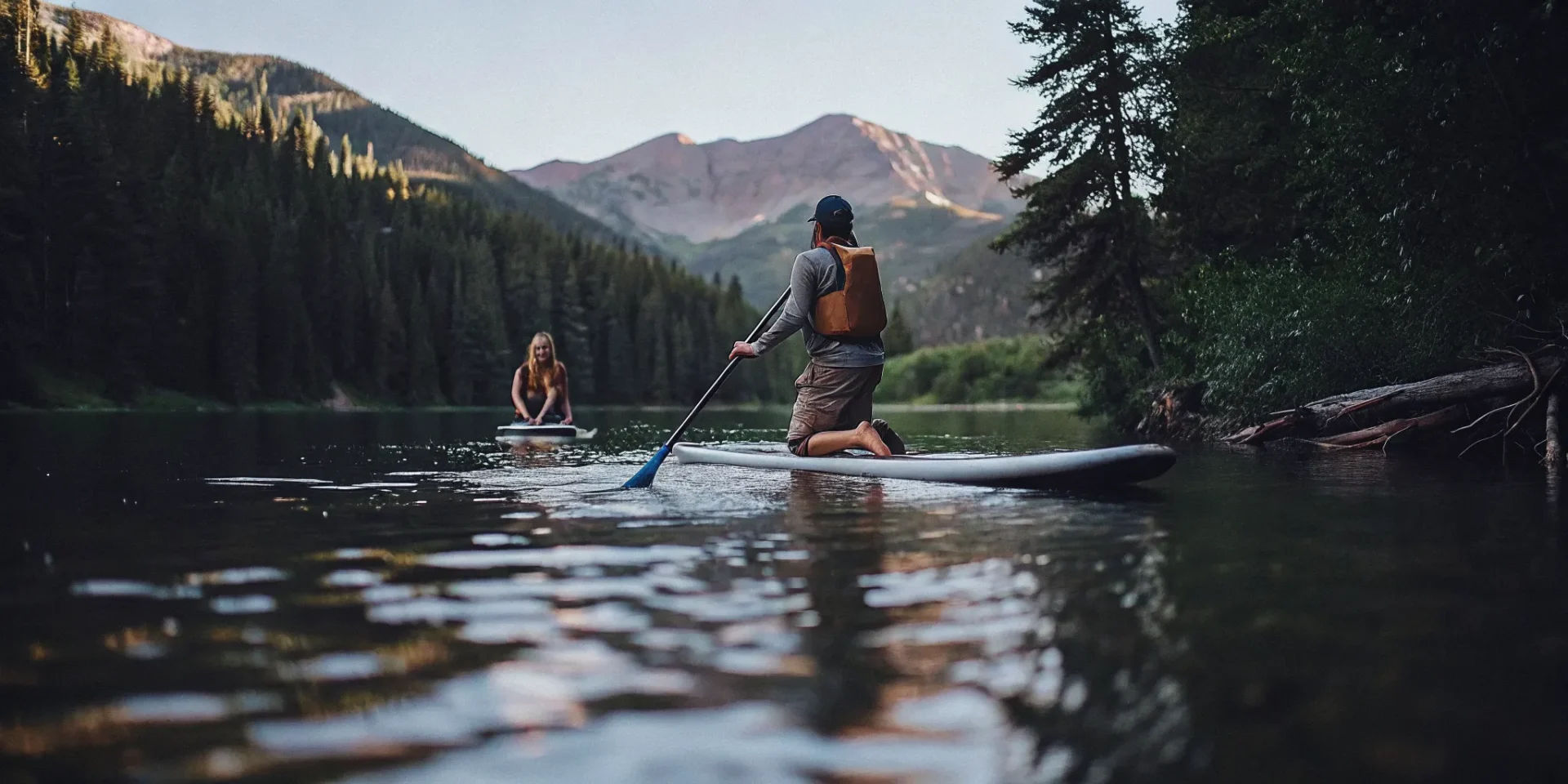
If you are asking, can you paddle board if you can’t swim, the honest answer is that it may be possible, but it carries added risk and requires careful planning. Falling into the water is a normal possibility in stand-up paddleboarding. A properly fitted flotation device, conservative location choice, honest communication, and a clear plan for changing conditions all matter. This guide explains how to decide whether a first outing is appropriate and how to reduce, not eliminate, the risks.
Not being able to swim changes the decision-making process. It does not make a paddle board a substitute for swimming skills, and flotation equipment does not make every setting appropriate. Cold water, wind, waves, boat traffic, moving water, fatigue, and panic can make an unexpected fall more serious. Begin with an honest assessment of your comfort around water, then ask the outfitter direct questions before committing.
Can you paddle board if you can’t swim safely?
A non-swimmer can sometimes participate in paddleboarding, but nobody can promise that the activity will be safe in every situation. Paddleboarding takes place on open water, and even a stable board can tip. The safest decision may be to postpone an outing, improve swimming and water-comfort skills first, or choose a different activity. Your decision should reflect the specific venue, weather, water temperature, equipment, personal health, and current local rules.
The most important point is simple: plan for going into the water, not just for staying on the board. Beginners often focus on balance and assume they will remain dry. In reality, another person’s wake, a sudden gust, a misplaced step, or simple fatigue can cause a fall. A non-swimmer must be prepared for that possibility before leaving shore.
Start with an honest personal assessment
Ask yourself how you respond when water reaches your face, whether you can remain calm while floating, and whether you can follow instructions under stress. Someone who cannot swim but feels calm in a properly fitted flotation device faces a different situation from someone who panics as soon as their feet leave the bottom. Both should disclose their ability, but the second person may need to delay the activity until they have built more comfort in the water.
Also consider mobility, balance, cold sensitivity, fatigue, medications, and medical conditions that could affect an outing. A paddleboarding team can explain the activity and current setting, but it cannot make personal medical decisions. If a health concern could affect participation, seek appropriate professional advice before booking.
Use flotation equipment correctly, without treating it as a guarantee
A suitable, properly fitted personal flotation device can help a person remain afloat after a fall. Fit matters. Equipment that is loose, damaged, or used incorrectly may not perform as expected. Ask staff to explain fit and use, and confirm the current rules for the venue and activity. Requirements can differ by location, activity type, age, and governing authority, so do not assume that a rule from another lake or state applies.
A flotation device reduces risk, but it does not remove the dangers of cold water, moving water, separation from the board, bad weather, or panic. It also does not teach a person to swim. Non-swimmers should treat it as one layer in a broader safety plan rather than permission to enter unsuitable conditions.
Understand the leash decision
A board can provide useful flotation, and wind may move an unattached board away surprisingly quickly. A leash can help keep the board nearby in some flat-water settings. However, leash selection and use depend on the environment. Moving water can create entanglement hazards, and different settings may call for different systems or guidance. Ask the operator what is appropriate for that specific location, and never assume one leash setup is right everywhere.
Know when not to go
Do not let a reservation, group plan, or sunny shoreline pressure you into an outing that does not feel appropriate. Delay or stop if the water is rough, wind is rising, storms are nearby, visibility is poor, you feel unwell, or instructions are unclear. Alcohol and other impairing substances do not belong in a safety-first paddle plan. If you are uncertain about any factor, ask the team and be willing to choose another day or activity.
How should a non-swimmer prepare for a first paddle?
Preparation begins before arrival. Tell the outfitter clearly that you cannot swim or are not a confident swimmer. Do not soften that information by saying you are simply a beginner. Swimming ability and paddleboarding experience are different, and the team needs an accurate picture to help you understand available options.
Review the operator’s frequently asked questions, then make a short list of anything that remains unclear. Useful questions cover water depth, likely wind, water temperature, launch and exit points, boat traffic, equipment, current restrictions, and what happens if conditions change. Ask again on arrival because mountain weather and venue conditions can shift.
Choose the setting conservatively
For a first outing, calm flat water near an easy launch and exit is generally easier to manage than moving water. Open stretches exposed to wind, or areas with heavy boat traffic. Staying close to an appropriate exit can reduce exposure, but shallow water is not automatically risk-free. A fall in very shallow water can cause contact with rocks or the bottom, while a sudden drop-off can surprise someone who expected to stand.
Stand Up Paddle Colorado serves multiple mountain-water locations, and each has distinct conditions. Nottingham Lake activities in the Avon and Vail area may offer a different experience from a larger reservoir setting. Read about the Avon and Vail location and ask whether the current setup matches your needs rather than choosing only by scenery or convenience.
Lake Dillon also offers memorable alpine paddling, and there is plenty of water on Lake Dillon for recreational paddling. Its size and mountain setting make current wind, weather, cold water, launch areas, and operating guidance especially important. Review the Dillon location information and speak with the team about the conditions expected for your planned time.
Build skills in a controlled sequence
Do not make standing the first goal. Begin by listening to the equipment and safety briefing. Learn how to hold the paddle, position yourself on the board, turn, stop, and return toward the launch. Starting seated or kneeling lowers your center of gravity and may help you understand how the board responds before attempting to stand.
Practice only in an area the operator identifies as appropriate. Ask how to respond after a fall and how to get back onto or hold the board. A non-swimmer should understand that reboarding can require effort, especially when cold, tired, or affected by wind. If the process is not clear or feels beyond your ability, stay ashore and discuss alternatives.
Use a pre-launch checklist
- Disclose your swimming ability and water comfort honestly.
- Ask about current weather, wind, water temperature, depth changes, and boat traffic.
- Confirm current local rules and which equipment is appropriate for the setting.
- Check that the flotation device fits correctly and ask how to use it.
- Ask whether a leash is appropriate for the specific water environment.
- Identify the launch, intended paddling area, and easiest exits.
- Understand the plan if wind rises, weather changes, or you feel tired.
- Keep the first session conservative and stop before fatigue affects judgment.
Compare common beginner settings
The table below is a decision aid, not a rating of any specific venue. Actual risk depends on the day’s conditions, operator guidance, and the paddler. When in doubt, ask which option is appropriate for a non-swimmer and be ready to stay on shore.
| Setting | Potential advantage | Concern for a non-swimmer | Questions to ask |
|---|---|---|---|
| Protected flat-water area | May be easier to balance and turn | Depth, cold water, and sudden weather still matter | Where are the boundaries and exits? |
| Larger mountain lake | Open views and room to paddle | Wind, cold water, distance, and boat wakes | What are today’s conditions and turnaround points? |
| Lesson or structured instruction | Clear skill progression and direct instruction | Does not remove the possibility of falling | Is this format suitable for someone who cannot swim? |
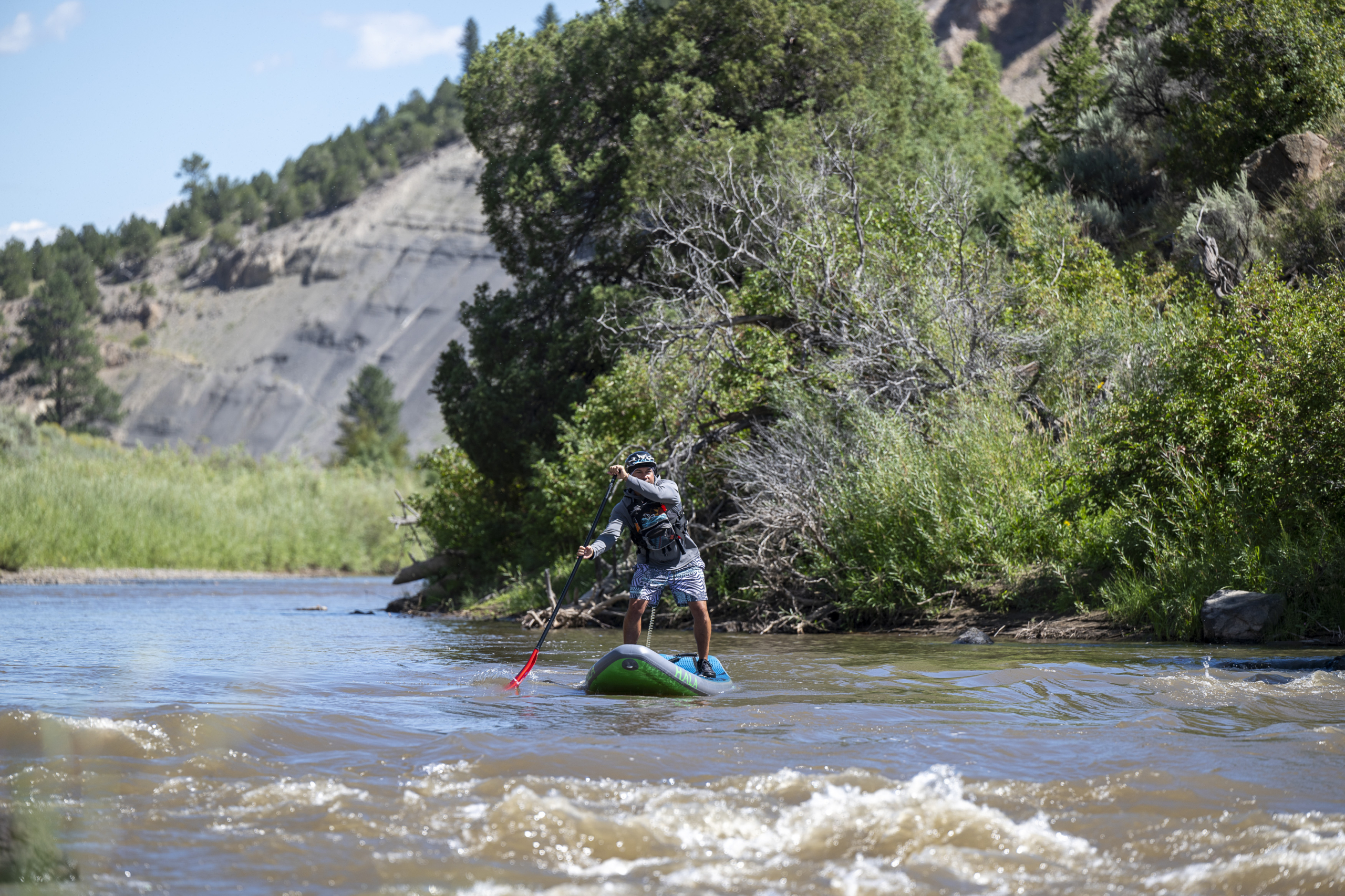
| Moving river | Distinct scenery and experience | Current, obstacles, entanglement, and limited exits | Is this activity appropriate for my ability? |
| Self-directed rental | Flexible pace | Requires more independent judgment and response | What area and conditions should I avoid? |
What should you ask before booking a Colorado paddle session?
A productive booking conversation is specific. Instead of asking only whether beginners are allowed, say, “I cannot swim. And I want to understand whether today’s activity and conditions are appropriate for me.” That gives the team useful context and opens a discussion about options. Limitations, equipment, and current rules.
Explore the available Stand Up Paddle Colorado locations before the conversation, but do not assume that every listed activity suits every guest. A location page can explain the general experience; current conditions and an honest discussion are still necessary.
Questions about the activity and environment
- Is this particular activity suitable for someone who cannot swim?
- What conditions are expected at my planned time?
- How cold is the water, and what clothing is appropriate?
- Are there currents, waves, boat traffic, steep banks, or sudden depth changes?
- Where are the launch, boundaries, and easiest exit points?
- What conditions would cause the activity to change, pause, or be unavailable?
Listen for clear, setting-specific answers. Conditions that are manageable for an experienced swimmer may not be appropriate for a first-time non-swimmer. If the recommendation feels unclear, ask follow-up questions or postpone.
Questions about equipment and instruction
- What flotation equipment is available, and how will I check the fit?
- What are the current rules for flotation devices at this venue?
- Is a leash appropriate here, and how should it be used?
- What should I do immediately if I fall?
- How do I signal that I need help or want to end the session?
- Can I begin seated or kneeling and keep the outing short?
A safety-first answer should acknowledge limits. No piece of gear, instruction format, or calm forecast guarantees that a fall or emergency will not occur. Your goal is to understand the risk well enough to make a conservative decision.
A practical decision framework
Proceed only when you have disclosed your ability, understand the plan, have appropriate equipment, feel comfortable with the setting, and can follow the current guidance. Reconsider if you feel pressured, cannot get clear answers, or do not understand what to do after a fall. Stop if the environment changes or your confidence and energy decline.
Swimming lessons and basic water-comfort practice can also make future paddle outings more enjoyable. They are not a same-day workaround, but they can improve your ability to respond calmly around water. Paddleboarding is more rewarding when the goal is not merely to avoid falling, but to make informed choices throughout the experience.
Monitor conditions throughout the outing
A good launch decision is only the start. Continue watching the water, sky, wind, traffic, and your own energy after leaving shore. Mountain conditions can change quickly, and a route that felt easy at the beginning may require more effort on the return. Look back toward the launch regularly so you understand your position and do not unintentionally travel farther than planned.
Pay attention to early warning signs instead of waiting for a situation to become urgent. Difficulty steering, repeated loss of balance, shivering, numb hands, growing anxiety, or a noticeable increase in wind are reasons to return or stop. A conservative turnaround is a successful safety decision, not a failed outing. Tell the team promptly if you are uncomfortable or do not understand how to return.
Cold water deserves particular respect because it can affect breathing, movement, and judgment. Air temperature and sunshine do not tell you how the water will feel after a fall. Ask about water temperature and suitable clothing before the session. Do not invent your own solution based on another trip or online advice; follow current, setting-specific guidance.
Keep the group’s plan aligned with the least confident participant. Friends should not pressure a non-swimmer to move farther from an exit, stand before they are ready, or continue when they want to stop. Everyone should know the agreed paddling area and how to communicate a change of plan. If uncertainty remains before launch or develops on the water, contact the team and choose the more cautious option.
Frequently Asked Questions
Can a life jacket make paddleboarding completely safe for a non-swimmer?
No. A properly fitted personal flotation device is an important risk-reduction tool, but it cannot make paddleboarding completely safe. Wind, cold water, waves, currents, equipment problems, fatigue, and panic can still create danger. Confirm current rules, correct fit, and appropriate equipment with the operator.
Should a non-swimmer start in shallow water?
An operator may identify a calm, controlled area near an easy exit as an appropriate place to begin. However, shallow water has hazards, including rocks, uneven bottoms, and sudden depth changes. Do not select a practice area based on depth alone; ask staff where it is appropriate to launch and learn.
Is kneeling on a paddle board better for a beginner?
Kneeling generally lowers the paddler’s center of gravity and can make it easier to learn how the board turns and responds. It does not eliminate the chance of falling. Ask for instruction, remain within the recommended area, and progress only when you feel comfortable.
Are calm mountain lakes always safe for non-swimmers?
No. A lake that looks calm from shore can still be cold, deep, exposed to sudden wind, or affected by boat wakes and changing weather. Conditions also vary by time and location. Ask about current conditions before launching, then continue monitoring them during the outing.
What should I tell the paddleboarding team before booking?
State clearly that you cannot swim or are not a confident swimmer. Share relevant water comfort, paddle experience, and concerns. Ask whether the specific activity is appropriate, which current rules apply, what equipment is used, and what you should do if conditions change. Honest information helps everyone make a more informed decision.
So, can you paddle board if you can’t swim? Sometimes a carefully chosen experience may be possible, but the answer depends on the individual, venue, conditions, equipment, and current guidance. Treat falling into the water as a real possibility, communicate honestly, and make the conservative choice whenever anything is uncertain.