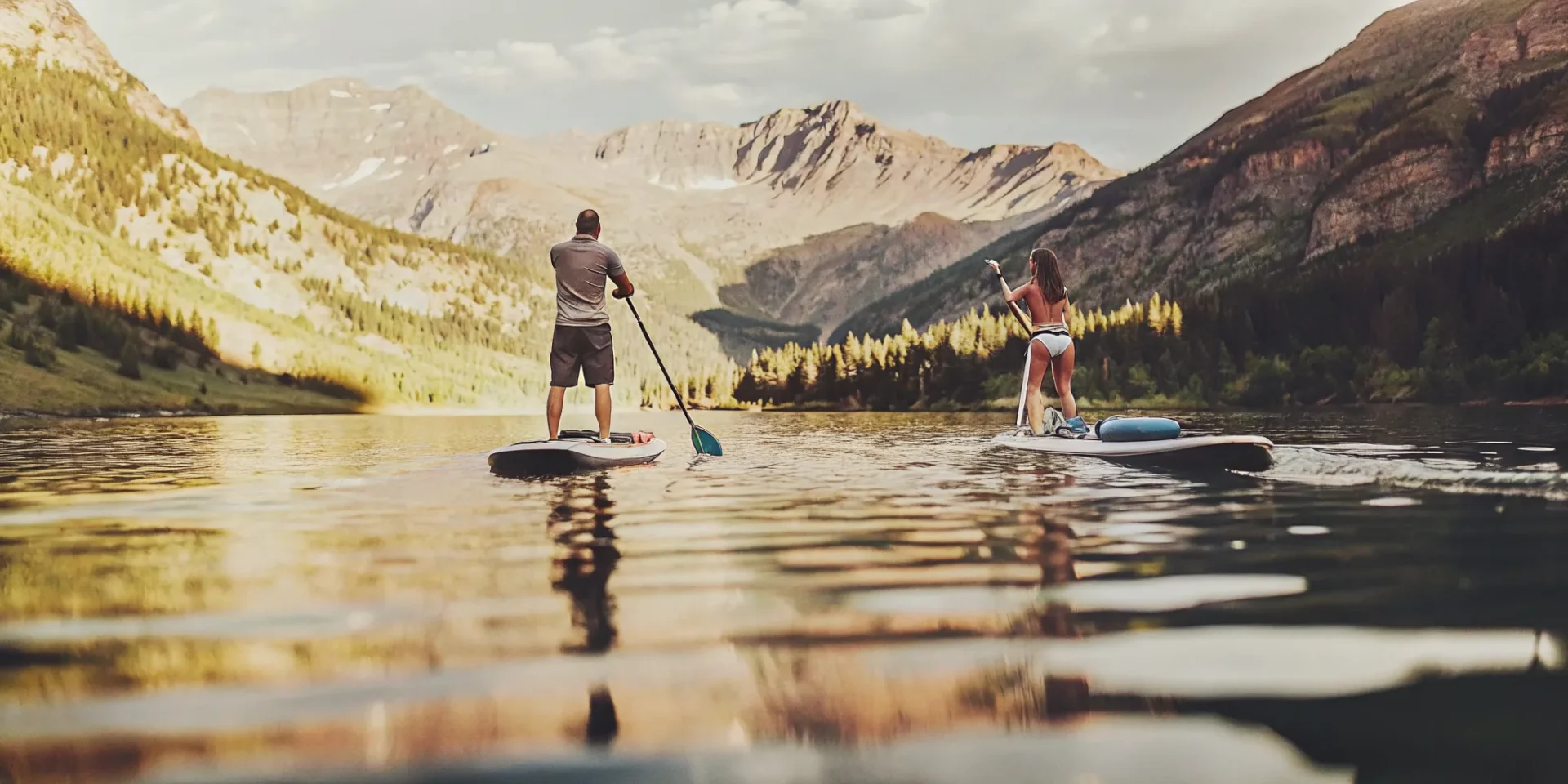
Launching a paddle board into a pristine alpine lake is a privilege that comes with specific duties. These mountain waters are fragile, and small mistakes can harm local plants and wildlife.
Leave No Trace paddle boarding is a set of habits meant to protect Colorado lakes by minimizing your impact on the water and the shore. In our high mountain lakes, this means you should always pack out your trash, stay on boat ramps, and clean your gear to stop invasive species. According to the Seven Principles of Leave No Trace, you must respect wildlife from a distance and leave all rocks and plants where they sit. By making these smart choices on your board, you help keep the water clean and ensure that the local ecosystem stays healthy for every guest. This care ensures our mountain lakes remain beautiful.
Many people want to help but are not sure where to start when they are on the water. Understanding the core ideas behind this movement is the best way to become a better steward of the land. We will explain the steps by answering the question: What does Leave No Trace paddle boarding mean? The path begins with.
What does Leave No Trace paddle boarding mean?
Leave No Trace paddle boarding is a way to enjoy the water while keeping it clean and wild. It uses a set of seven principles to help people reduce their impact on nature. When you follow these rules, you help protect the mountain lakes and rivers that make Colorado so special.
Planning your mountain water trip
The first step is to plan ahead and prepare. This means you should know the local rules for the area you want to visit. For example, if you are paddle boarding at Lake Dillon, you need to check for any hazards or weather changes. Good planning helps you stay safe and keeps the lake shore healthy.
You also need to think about your gear. Use a board that is in good shape to avoid leaks. Bring a map so you do not get lost. When you are ready, you can have a fun time without leaving any mark behind. This focus on care is part of our commitment to responsible paddling in the high country.
Protecting the lake shore and river banks
Travel and camp on surfaces that can handle your weight. For paddlers, this often means staying on rock, gravel, or dry grass. To keep the water clear, stay on trails that already exist. If you need to rest, find a spot that is at least 200 feet from the water to protect the sensitive area where land meets the lake. The National Park Service says this gap helps keep water clean for everyone.
If you see trash, pick it up and take it with you. Pack out everything you pack in. This includes food scraps and small bits of waste. By keeping the shore clean, you make sure the next group of people can enjoy the same wild beauty. It is a simple way to show you care for the land and the water.
Respecting nature and other guests
Leave what you find so others can see it too. Do not take rocks, plants, or old items home with you. This keeps the outdoor space looking natural for the next visitor. It also helps the local wildlife stay in their homes. Respecting the environment means leaving things as they were when you arrived.
Also, be kind to other people on the water. Keep your noise low so everyone can hear the sounds of nature. If you see others on the river, give them space to pass. This kind of respect makes the outdoors better for all of us. Whether you are on a solo trip or one of our guided paddle boarding adventures, being a good guest is key to the Leave No Trace way.
Plan ahead for a low-impact paddle day
Planning is the base of our commitment to responsible paddling. When you prep for your trip, you help keep the water clean. Good prep means you are less likely to run into trouble. It also helps you follow the rules of Leave No Trace paddle boarding. We want every guest to have a safe day on the lake while we protect the wild spots we love.
Know the local area and the weather
Before you head out, you must check the state of the local area. Mountain weather can change fast. A sunny morning can turn into a windy day in minutes. High winds make it hard to stay on course. They can also create waves that are risky for new folks. Checking the sky is a key part of how you plan ahead and prepare for any trip.
You should also look at the rules for the spot you plan to visit. Some lakes have closed zones to protect fish or birds. Other spots might need a pass. If you are paddle boarding at Lake Dillon, for example, you should know where the boat ramps are. Knowing these facts helps you avoid fragile spots and stay safe.
- Check the local weather forecast and wind speeds before you leave home to avoid bad storms.
- Read up on local park rules and permit needs for the lake or river you will visit.
- Look over all your rental or personal gear like boards and life vests to make sure everything works well.
- Pack a reusable water bottle and dry bags to keep your trash and gear from falling into the lake.
- Tell a friend or family member where you are going and when you plan to be back on land.
Prepare for a clean trip
What you bring with you matters just as much as where you go. Using reusable gear is a big help. Single-use plastics often end up as trash. Even if you don’t mean to drop them, the wind can blow a light wrapper right off your board. Instead, use sturdy jars or bins for your snacks and drinks. This small change helps our mountain lakes stay blue.
Tying down your gear is another vital step. Items that fall off a board are hard to get back. Use leashes for your board and tight straps for your bags. If you carry a phone or keys, put them in a dry bag that floats. This keeps your gear safe. It also stops metal or plastic from sinking to the bottom of the lake.
Respect the shoreline
When you need a break, think about where you land your board. Shorelines are weak places. Small plants and dirt can easily wash away if people walk over them too much. To protect these spots, look for hard ground like rocks or sand. Do not walk on tall grass or flowers near the water edge.
If you plan to stop for a long time to eat, stay back from the water. Experts say to set up your rest spot at least 200 feet away from the bank. This keeps waste and food scraps from washing into the lake. By keeping a clear gap, you help keep the park nice for everyone who visits after you.
How can paddlers protect shorelines and water?
Protecting our wild places starts with the small choices we make on every trip. In Summit County, we are lucky to have vast alpine waters like Lake Dillon. Many people ask if there is enough water during dry years, but Lake Dillon has plenty of water for outdoor paddling throughout the summer. Using Leave No Trace paddle boarding habits helps keep these high-country lakes clean and healthy for everyone. It is our duty to guard the beauty of the Rocky Mountains while we enjoy them.
Choose durable launch and land sites
When you get ready to launch your board, look for hard ground. The best spots are sand, gravel, or rock. These surfaces can handle the weight of gear and people without getting hurt. If you step on soft dirt or plants, you can damage the soil and kill the grass. This leads to erosion, which can cloud the water and harm fish. Staying on durable surfaces is a key part of protecting our local waterways.
Try to use existing trails to get to the shore. If you stay in the middle of the trail, you help prevent it from getting wider. When you reach the water, place your board gently on the sand. Do not drag it over the brush. This simple act keeps the shoreline intact. If you are in a group, walk in a single file to reduce your footprint on the land. By choosing your path with care, you help save the plants that hold the bank together.
Protect water quality and riparian zones
The land right next to the water is called the riparian zone. It is a thin home for many plants and animals. To keep this area safe, you should keep your gear and rest areas well away from the edge. If you need to wash any gear or yourself, make sure you are at least 200 feet away from the water. Use only small amounts of soap that breaks down in nature. This keeps harsh soaps out of the lake and helps the fish stay healthy.
Waste management is also vital for the health of the water. You must pack out all trash and food scraps. Even small bits of food can attract wildlife and teach them to rely on humans. If there are no restrooms, you should bury human waste in a small hole 6 to 8 inches deep. This hole must be at least 200 feet from the water or any trails. These steps ensure that paddle boarding at Lake Dillon stays a clean visit for all guests.
Respect the plants and animals
Colorado is home to many birds, fish, and big game. When you are on the water, keep a safe distance from any animals you see. Do not approach them for a photo or try to feed them. Feeding animals can make them sick or change how they act in the wild. It is also important to leave rocks, plants, and sticks right where you found them. These objects play a big role in the local food chain and shelter for small bugs.
Check your board and gear for mud or plants before you move to a new lake. This helps prevent the spread of invasive species that can ruin an entire lake. Preserving the past is another way to show respect. If you find old items or ruins, look at them but do not touch them. When we all follow these rules, we protect the beauty of our mountain homes. You can also practice these same habits when you go paddle boarding on the Colorado River or visit other local spots.
Prevent waste before it reaches the lake
Planning for a day of paddle boarding at Lake Dillon starts with a focus on what you bring. When you pack for the water, you must think about how to keep your gear on your board. Even small items like snack wraps or bottle caps can fall into the lake if they are loose. Stopping waste starts on land before you ever push off from the shore.
Pack out all trash and litter
The most basic rule for the outdoors is to leave no trace. This means you must pack out all trash, food bits, and litter. If you see trash that is not yours, please pick it up and carry it out too. Small bits of plastic or paper can harm fish and birds that live in or near the lake. Taking a small mesh bag or a dry bag is a great way to store trash until you find a bin.
Check your board and gear for loose items before you start your trip. Small items like hair ties or sunglass straps can slip away in a breeze. Our commitment to responsible paddling means we work hard to keep Colorado waters clean. By double-checking your setup, you help us protect these great mountain lakes for all to enjoy.
Repackage food and snacks
One of the best ways to stop litter is to change how you pack your meals. You should repackage food to reduce waste before you head out. Moving snacks from thin plastic bags into sturdy boxes makes them less likely to blow away. It also saves space on your board and makes it easier to keep track of your gear.
Think about the items you use for your lunch. Reusable silicone bags or metal boxes are much better than plastic wrap or foil. These items stay shut and do not rip easily. If a box falls into the water, it is often easier to grab than a small piece of clear plastic. Reducing the amount of thin waste you carry is a key part of Leave No Trace paddle boarding.
Use safe sunscreen and gear
The things you put on your skin can also harm the water. Many common sunscreens have chemicals that can hurt lake life. Choose a mineral-based sunscreen that uses zinc or titanium instead. These options sit on top of your skin and do not wash off as easily into the water. It is a simple switch that makes a big change for the health of the lake.
Inspect your board and gear for any parts that might come off. Make sure your fins are tight and your leash is in good shape. If you use a camera or a phone, use a float or a tether to keep it safe. Losing a phone in the lake is not just a personal loss. It also leaves behind glass and metal that do not belong in a wild place.
| Common Choice | Low-Impact Option | Why It Helps |
|---|---|---|
| Plastic water bottles | Metal reusable bottles | Stops plastic waste and stays cold. |
| Plastic snack bags | Silicone bags or boxes | Will not blow away or rip. |
| Chemical sunscreen | Mineral sunscreen | Keeps harmful toxins out of water. |
| Loose items on board | Secured dry bags | Keeps gear from falling in lake. |
| Paper napkins | Cloth towels | Reduces paper litter near shore. |
How should paddle boarders respect wildlife?
Watching wildlife in its wild home is one of the best parts of being on the water. Whether you are on a calm lake or a fast river, your trip has an effect on the life around you. Using Leave No Trace paddle boarding rules helps keep these creatures safe and healthy. By making small shifts to how you move, you can see nature without doing harm. It is our job to share the water with the life that stays there.
Keep a safe distance
The top rule is to watch from far away. You should never follow or get near a creature to get a better look or a photo. This can cause stress to the life there and might even put you in danger. Wildlife needs space to find food and rest. If a creature changes its ways because you are there, you are too close. If they look at you, stop moving or back away slowly.
You can use glasses or a zoom lens to see things from a far point. This lets you enjoy the view without scaring the wildlife away. If you see a nesting bird or a mother with her young, give them even more room. They are much more prone to stress during those times. Staying back is a core part of our promise to safe paddling in the wild.
Control noise and crowds
Noise can be just as scary to wildlife as being too close. Loud voices and sudden splashes can break a wild day. When you are on the water, try to keep your voice low and your paddle strokes quiet. This not only helps the wildlife but also makes your trip more peaceful. It also lets you hear the sounds of nature, like bird calls or the wind in the trees.
The size of your group also matters for the health of the land and water. Large groups can be loud and crowd the shores where creatures come to drink. If you have many people, try splitting into smaller units to lower your impact. You can also plan your trips during off-peak times to avoid the peak hours of the day. This helps lower the total stress on the local life. Crowded waters can push wildlife away from their homes.
Do not feed wildlife
It might be tempting to share a snack with a bird or squirrel, but this is very bad. Human food is not healthy for wildlife and can make them sick. When creatures get used to being fed, they stop hunting or searching for food on their own. They may also start to get close to people, which can lead to problems for both the creature and new guests. It can even lead to more biting or fights.
Make sure you pack out all trash and food scraps to keep the place clean. Even a small bit can change a creature’s diet or ways. By keeping your food to yourself, you ensure that the wildlife stays wild and can take care of itself. This simple step protects the balance of the lakes and rivers we love to see. Guarding the food chain is a key goal for anyone on the water.
Share Colorado mountain lakes responsibly
High mountain lakes in Colorado get very busy during the summer months. Sharing the water is a key part of our commitment to responsible paddling. When many people use the same spot, small acts make a big change. You can help keep these spots fun for all by using basic rules. Being kind to other guests and the land is the heart of Leave No Trace paddle boarding.
Clear the launch zone
The shore or ramp is the most crowded part of any lake. Everyone starts and ends their day there. To keep things moving, do all your gear prep away from the water. Inflate your board and pack your dry bag in the parking lot. Do not lay your gear out on the sand while you wait for friends. This keeps the path open for other paddlers and boaters.
When you are ready to go, move your board to the water and launch right away. The same rule applies when you return from your trip. Land your board and move it to a high spot before you start to dry it off. Fast habits at the launch site help reduce stress for everyone. This is a great way to show respect when you enjoy paddle boarding at Lake Dillon.
Organize your group
Large groups can take up a lot of space on the water and the shore. If you have a big party, think about splitting into smaller teams. This helps reduce your impact on the land and other guests. Smaller groups are easier to lead and less likely to block tight paths. It also makes it easier to stay safe and keep track of each person in your group.
On the water, do not paddle in a wide line that blocks the whole way. Stay close together but leave room for others to pass by. If you see a fast group or a motorboat, move to the side to give them the right of way. Being aware of your area helps prevent accidents. It also ensures that every guest has a chance to enjoy the peace of the mountain lake.
Give others space
Many people visit mountain lakes to find quiet and calm. You should be mindful of the noise you make while on the water. Loud music or shouting can spoil the trip for someone else. Keep your voice low and let the sounds of nature lead the way. Respecting the quiet of the lake is a big part of being a good neighbor on the water.
You can also avoid crowds by planning your trip for off-peak times. Mid-week days and early mornings are often much quieter than weekends. Choosing these times helps spread out the use of the park and protects the land. If a spot looks too full, think about moving to a different part of the lake. There is plenty of room for everyone at Nottingham Lake in Avon when we all work together to share the space.
- Prepare your gear before you reach the water.
- Launch and land quickly to keep paths clear.
- Split large groups into small parties.
- Give other paddlers and boaters plenty of room.
Frequently Asked Questions
What are the 7 principles of Leave No Trace for paddlers?
These rules help keep our lakes and rivers clean. First, you should plan and prepare for your trip. Next, travel and camp on hard surfaces that do not break easily. You must also dispose of all waste the right way. Leave what you find and limit the harm from campfires. Respect any wildlife you see from a distance. Finally, be kind to other people on the water. These principles from the Leave No Trace group help protect the places we love to explore.
Why is Leave No Trace important for Colorado mountain lakes?
Colorado mountain lakes are lovely but very fragile. High spots like Lake Dillon have short growing times for plants. Even though there is plenty of water on Lake Dillon for paddling, the shores need care. If guests leave trash or walk off the paths, the damage can stay for many years. Using these habits keeps the water clean for everyone. It also protects the fish and birds that live in these cold waters. Following these rules keeps wild places pretty for the next group.
How far from water should I dispose of waste?
You should always keep waste far away from any water source. According to the National Park Service, you should dig a small hole for solid waste at least 200 feet from lakes and trails. This hole should be about six to eight inches deep. For things like dishwater, you must also stay 200 feet back. Packing out all your trash is the best way to keep the lake clean and safe for others to use.
How can I protect wildlife while paddle boarding?
You can protect animals by watching them from a long way off. Do not try to get close or follow them on your board. Never feed any wild animals you see near the lake. Feeding them can make them sick or change how they find food. You should also keep your food and trash put away in a safe spot. By staying quiet and keeping your distance, you allow the animals to live in peace while you enjoy your day on the water.
Ready to plan your next clean lake paddle trip?
Our high mountain lakes are fragile and need our help to stay clean, as waiting to book can lead to missed days. If you do not act now, you may find these wild places harmed by too much use or even closed to the public. Starting your trip with the right tips ensures you leave no trace behind and keeps our cold waters pure for all. By setting up your time in advance, you avoid the stress of a busy day and help protect these grand views. We make it easy to follow these rules so you can enjoy the fresh air and feel good about your impact. By acting today, you ensure a safe and fun trip that helps keep Colorado wild and clear for future guests.
Ready to book? Check out Lake Dillon to plan a responsible paddleboard rental day.